
Foundation Restoration in Cedar Park, TX
Structural Foundation Restoration Specialists Serving Cedar Park, TX
Need foundation restoration in Cedar Park, TX? Round Rock Foundation Repair Group offers expert repair for Cedar Park’s clay soils. Call (512) 220-3502 for a free estimate.
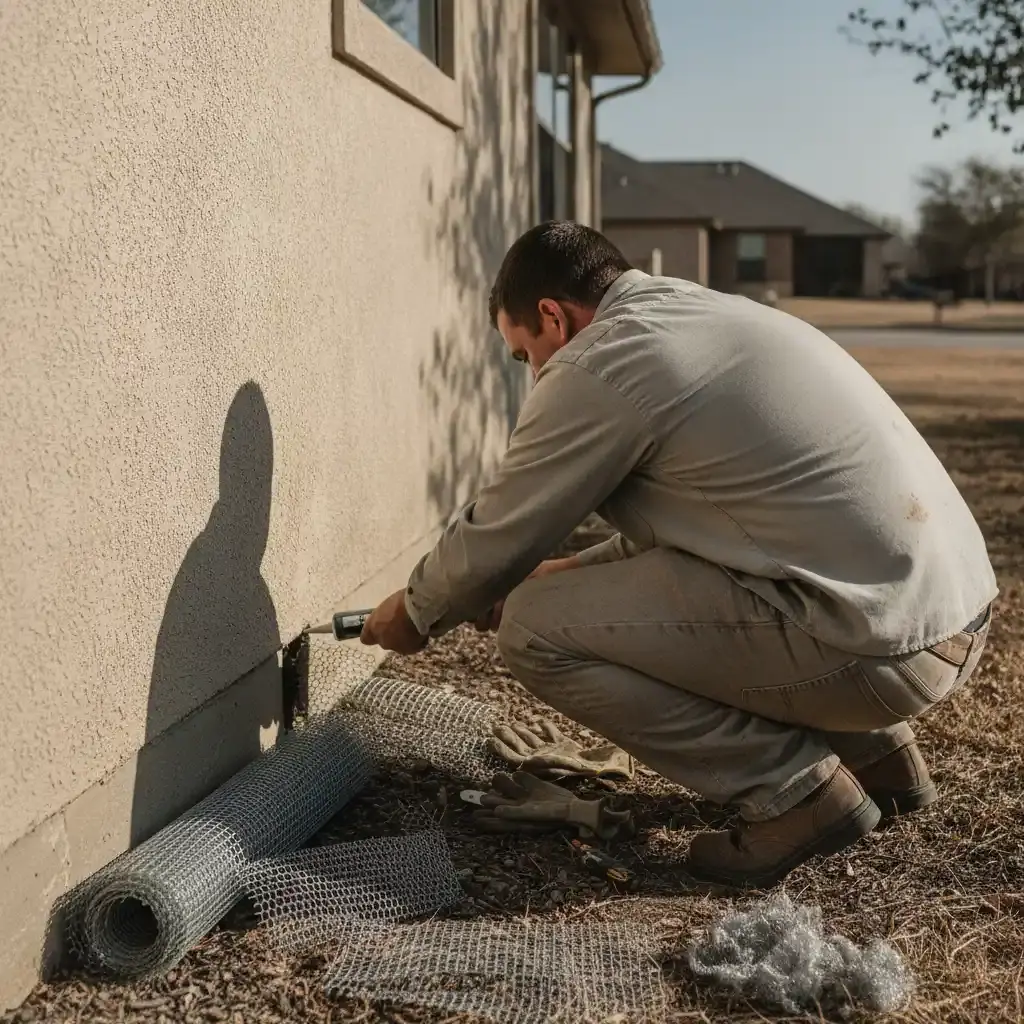
Foundation restoration is the comprehensive process of diagnosing, repairing, and stabilizing a home or commercial building’s structural base to its original load-bearing integrity. Unlike simple patching or cosmetic fixes, true foundation restoration addresses the underlying causes of movement, settling, and cracking — returning your property to a safe, structurally sound condition built to last for decades.
In Cedar Park, TX, the combination of expansive clay soils, dramatic seasonal rainfall swings, and rapid residential growth since the early 2000s has created one of the most challenging foundation environments in Central Texas. Homes built across Cedar Park’s fast-developing neighborhoods — from Buttercup Creek to Twin Creeks — are frequently subject to soil-driven foundation movement that demands professional intervention.
Read moreShow less
At Round Rock Foundation Repair Group, we bring deep regional knowledge and hands-on experience with the specific geological and climatic conditions that affect Cedar Park foundations. Whether you own a newer construction home or a legacy property, our team is equipped to restore your foundation’s integrity from the ground up. Call us today at (512) 220-3502 for a professional assessment.
Understanding Foundation Restoration in Cedar Park, TX
Foundation restoration is a multi-disciplinary engineering and construction process that goes well beyond cosmetic repair. While foundation patching addresses surface-level cracks, and basic repairs might stabilize a single problem area, full restoration involves a systematic evaluation of the entire foundation system — identifying every point of failure, movement, or stress — and then implementing a comprehensive repair plan that returns the structure to its engineered design specifications.
The practice of foundation restoration became increasingly important in Central Texas as suburban development accelerated through the 1990s and 2000s. Communities like Cedar Park were largely farmland or lightly developed areas before a construction boom transformed them into dense residential neighborhoods. This rapid development meant that tens of thousands of slab-on-grade foundations were poured across soil profiles that were never fully characterized for long-term performance. As those foundations aged alongside the challenging local soil conditions, restoration services became a necessary part of homeownership in the region.
Read moreShow less
Cedar Park’s residential landscape is dominated by post-tension and conventionally reinforced concrete slab foundations, which were the standard construction method for the tract homes built throughout neighborhoods like Whitestone Estates, Riviera Springs, and Carriage Hills during the late 1990s through the 2010s. These foundation types are particularly vulnerable to the heaving and settling cycles that Cedar Park’s soils produce, because even small differential movements — sometimes as little as half an inch — can translate into cracked drywall, sticking doors, and compromised structural integrity over time.
Commercial properties in Cedar Park, including the retail corridors along TX-183 and Whitestone Boulevard, often have deeper, more complex foundations that require specialized restoration techniques different from residential approaches. Office buildings, strip centers, and light industrial facilities may use pier-and-beam systems or thick mat slabs that respond differently to soil movement and require experienced commercial foundation restoration professionals.
Understanding the full scope of what foundation restoration entails — soil stabilization, pier installation, slab lifting, drainage correction, and structural monitoring — is the foundation (pun intended) of selecting the right contractor for the job. Learn more about our full foundation restoration services
Why Foundation Restoration Is Needed in Cedar Park, TX
Expansive Clay Soils: The Core Problem
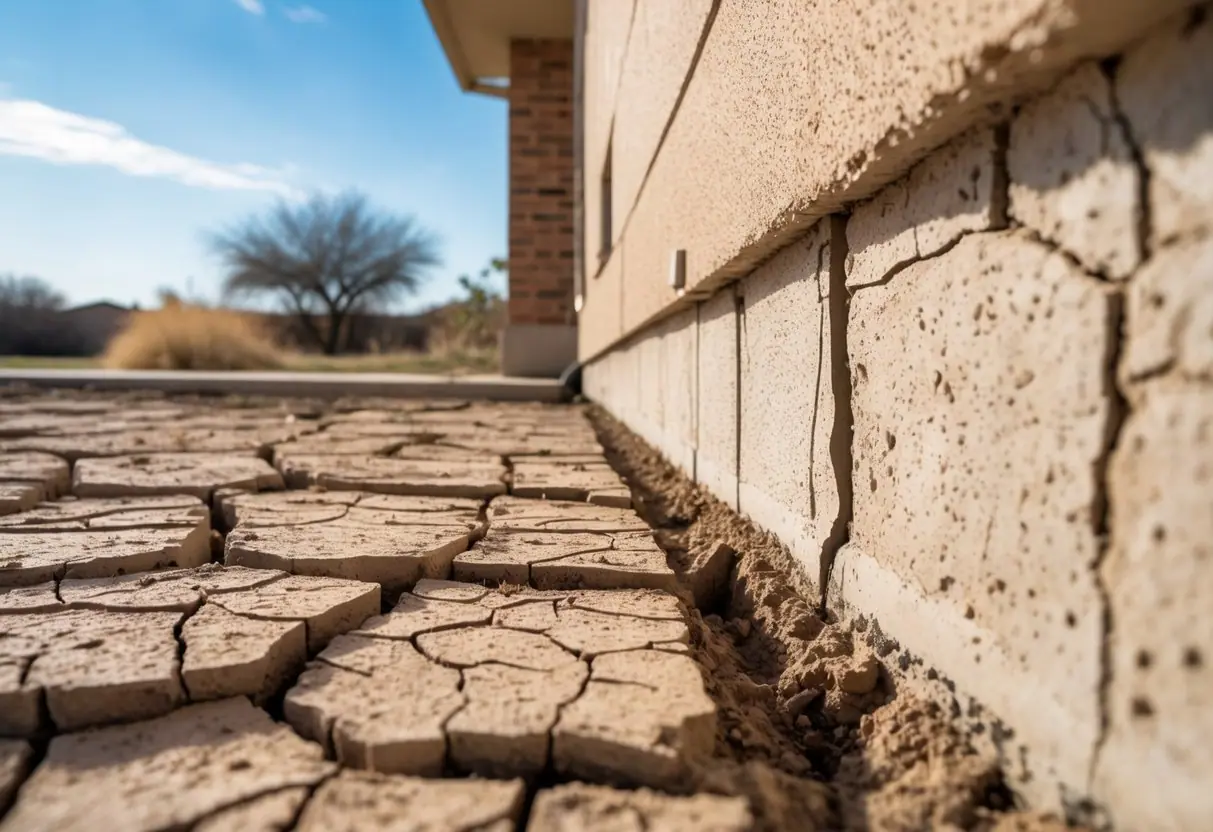
The dominant soil type beneath Cedar Park is Austin Clay and Taylor Marl — highly expansive Vertisol soils with a plasticity index often exceeding 40, meaning they expand and contract dramatically in response to moisture changes. When saturated, these soils can expand by 15% to 30% in volume, exerting upward pressures on slab foundations measured in thousands of pounds per square foot. During drought conditions, the same soils shrink and crack, sometimes creating voids beneath slabs that are 2 to 4 inches deep. This cycle of heaving and settling is the single largest driver of foundation movement in Cedar Park neighborhoods like Buttercup Creek, Anderson Mill (along the Cedar Park border), and Lime Creek Road corridors.
Drought and Flood Cycles Unique to Central Texas
Cedar Park sits squarely in the Texas Hill Country transition zone, where weather extremes are common and consequential. The 2011 Texas drought — one of the most severe on record — caused widespread foundation failures across Williamson County, with Cedar Park homeowners reporting unprecedented levels of foundation settling that year. Soil moisture content dropped to critically low levels for more than 14 consecutive months, causing foundations in neighborhoods like Carriage Hills and Twin Creeks to settle by 1 to 3 inches in some locations. Then, when heavy rains return — as they did in the historic May 2015 flooding events across Central Texas — rapid soil re-saturation causes heaving that can reverse or compound earlier damage.
Rapid Development on Underprepared Soils
Cedar Park’s population grew from approximately 26,000 residents in 2000 to over 82,000 by 2020, an increase of more than 215% in two decades. This explosive growth meant that homes were often built quickly, with soil preparation and compaction sometimes given less attention than optimal engineering standards would require. Many foundations in Riviera Springs, Lakeline Park, and Whitestone Estates subdivisions were poured on soils that had not been adequately moisture-conditioned prior to construction, accelerating long-term differential settlement.
Proximity to Brushy Creek and Drainage Patterns
Cedar Park’s topography channels stormwater through the Brushy Creek watershed and its tributaries. Homes near Brushy Creek Regional Trail and in the Cat Hollow area of Brushy Creek are particularly susceptible to subsurface moisture migration, where groundwater moves laterally beneath slabs, creating uneven wetting patterns that destabilize foundation soils on one side while leaving the other side dry — a recipe for differential settling that requires professional restoration to correct.
Aging Infrastructure
The first major wave of Cedar Park residential construction in the late 1980s and 1990s means that a significant portion of the housing stock is now 25 to 35 years old — the age range at which deferred foundation maintenance problems commonly surface and require full restoration rather than minor repairs. Schedule a foundation inspection to assess your property’s condition
Free, no-obligation estimates
Talk to Round Rock Foundation Repair Group
Tell us what you need and we’ll take it from there.
Signs You Need Foundation Restoration in Cedar Park
Interior Warning Signs
- Diagonal cracks running from the corners of door frames or window openings, typically at 45-degree angles
- Doors and windows that stick, won’t latch, or have visible gaps along their frames
- Cracks in drywall, especially those wider than 1/4 inch or that reappear after being patched
- Sloping or uneven floors detectable by rolling a marble or measuring with a level
- Separation between walls and ceilings or between walls and floors
- Cracked or buckled tile, particularly in bathroom and kitchen areas
Exterior Warning Signs
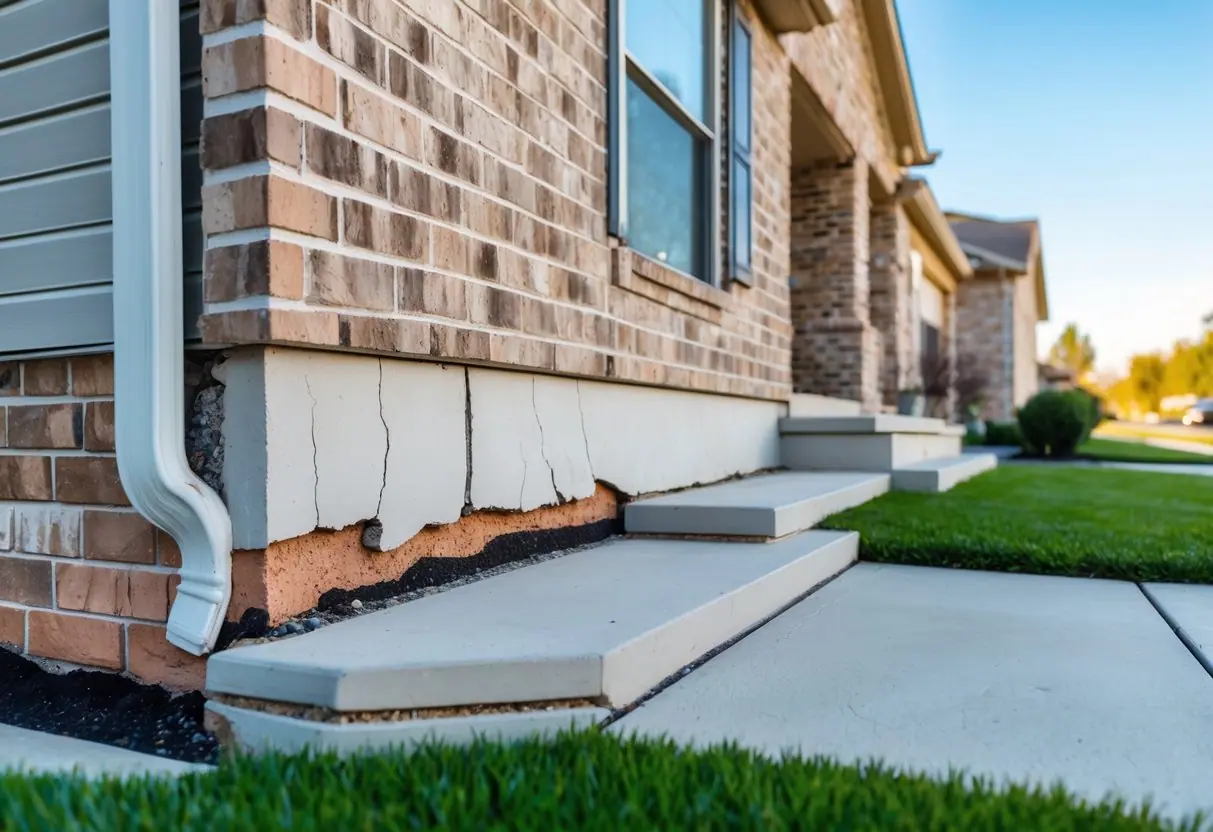
- Visible cracks in brick veneer, especially stair-step patterns following mortar joints
- Gaps between the exterior wall and window or door trim
- Cracks in the concrete foundation itself, particularly horizontal or diagonal cracks wider than 1/8 inch
- Separation between the chimney and the main structure
Urgency Indicators
Contact us immediately if you observe cracks wider than 1/2 inch, doors that suddenly will not close at all, visible tilting of walls, or any cracking accompanied by a popping or settling sound. These signs indicate active and potentially rapid foundation movement that requires urgent professional assessment. Request an emergency foundation inspection
Our process
Our Foundation Restoration Process in Cedar Park
Round Rock Foundation Repair Group follows a structured, transparent restoration process designed specifically for the soil conditions, foundation types, and building styles common throughout Cedar Park and surrounding Williamson County communities.
- 01
Comprehensive Foundation Inspection (Day 1 — 2 to 4 Hours)
Our certified inspectors conduct a full interior and exterior assessment of your property, using laser levels, moisture meters, and crack mapping documentation to establish a complete picture of foundation movement. We measure floor elevations at multiple poin
- 02
Soil and Site Analysis (Days 1–3)
We evaluate the drainage patterns around your property, assess soil conditions specific to your Cedar Park neighborhood, and review available geological data for your area. Homes near Brushy Creek receive additional subsurface moisture analysis given the eleva
- 03
Customized Restoration Plan and Estimate (Days 3–5)
Based on inspection findings, we prepare a detailed written restoration plan specifying the methods, materials, number of piers or other interventions required, and a transparent cost breakdown. We review this with you personally before any work begins.
- 04
Site Preparation and Access (Day 1 of Construction)
We protect your landscaping, irrigation systems (common in Cedar Park’s HOA communities), and exterior features while establishing access points for equipment. Interior access points are protected with drop cloths and dust barriers.
- 05
Foundation Repair and Stabilization (2 to 7 Business Days, Depending on Scope)
Restoration work is performed using the methods specified in your plan — pier installation, slab lifting, crack injection, or drainage correction — adapted to Cedar Park’s specific soil and moisture conditions. Our crews work systematically from the areas of g
- 06
Grading and Drainage Corrections (1–2 Days)
We correct any negative drainage grades around the foundation perimeter and install or recommend drainage solutions appropriate for Cedar Park’s rainfall patterns to protect the restored foundation long-term.
- 07
Final Inspection and Documentation (Day of Completion)
We conduct a final elevation survey, document completed work with photographs, and provide you with a full written record of all repairs. Contact us to schedule your restoration consultation
Foundation Restoration Methods and Approaches
Steel Push Pier Installation
For foundations experiencing significant settling due to soil shrinkage — a frequent occurrence in Cedar Park’s clay soils during drought years — hydraulic steel push piers are driven through unstable soil layers to reach load-bearing bedrock or competent soil strata. This method is the most permanent solution available and is particularly effective for homes in Buttercup Creek and Carriage Hills where settling depths of 1 to 3 inches have been documented.
Helical Pier Systems
In areas with lighter loads or where access is limited — such as crawl space sections or interior column supports — helical piers are screwed into stable soil mechanically. This method is well-suited for Cedar Park’s commercial properties along Whitestone Boulevard and for additions or sunrooms common in Twin Creeks and Lakeline Park homes.
Slab Pier and Void Fill (Slabjacking)
Where voids have formed beneath interior slab sections due to soil shrinkage, we use pressure-controlled void fill techniques to re-support the slab from below without extensive excavation. This method is ideal for interior garage floors and utility room areas common in Cedar Park’s mid-2000s era homes.
Foundation Crack Injection
Structural cracks in concrete foundations are sealed using high-strength epoxy or polyurethane injection systems, restoring tensile strength to compromised concrete and preventing water intrusion. Learn more about our concrete foundation repair services
Drainage and Soil Moisture Management
French drains, root barriers, and surface grading corrections address the moisture imbalances that caused Cedar Park foundation movement in the first place, protecting all other restoration work from recurring damage.
Foundation Restoration Cost in Cedar Park, TX
One of the most common questions Cedar Park homeowners ask is: what does foundation restoration cost? The honest answer is that pricing varies significantly based on the extent of damage, the size of the property, and the specific methods required. Here is a transparent overview of typical investment ranges for Cedar Park properties.
Typical Cost Ranges
- Basic Foundation Inspection: $300 to $600 for a professional assessment with written report
- Minor Restoration (1–4 Piers, Limited Scope): $2,500 to $6,000 — appropriate for early-stage settling in smaller Cedar Park homes
- Moderate Restoration (5–12 Piers, Crack Repair, Drainage): $6,000 to $15,000 — the most common range for typical Cedar Park residential projects
- Comprehensive Restoration (12+ Piers, Full Drainage Overhaul, Void Fill): $15,000 to $30,000+ — for heavily settled or long-neglected foundations
- Commercial Foundation Restoration: $20,000 to $80,000+ depending on building size and structural complexity
Read moreShow less
Cedar Park-Specific Cost Factors
Several local factors influence Foundation Restoration in Cedar Park, TX cost. The depth to competent bearing soil in Cedar Park’s Taylor Marl zones can require piers driven 15 to 22 feet, adding to material and labor costs compared to areas with shallower stable soil. HOA requirements in communities like Twin Creeks and Avery Ranch may require specific restoration of landscaping and irrigation systems following repair work, adding $500 to $2,000 to project totals. Homes built during the late-1990s construction boom may have post-tension cable slabs requiring specialized handling that affects pricing.
We provide free, no-obligation written estimates for all Cedar Park restoration projects. Financing options are available for qualified homeowners. Request your free cost estimate today
Cedar Park Neighborhoods We Serve
Buttercup Creek
One of Cedar Park’s older established neighborhoods, with homes built primarily from the mid-1980s through the late 1990s. Slab foundations in Buttercup Creek are now 25 to 40 years old and frequently show signs of long-term differential settling driven by the area’s mature clay soil profiles and established tree root systems.
Twin Creeks
A large master-planned community developed primarily in the 2000s, Twin Creeks features post-tension slab foundations that can be particularly sensitive to the area’s drainage patterns along Brushy Creek tributaries. HOA landscaping standards here require careful coordination during restoration work.
Carriage Hills and Riviera Springs
These mid-2000s era subdivisions sit on some of Cedar Park’s most active Taylor Marl clay deposits and have seen above-average foundation movement claims following the 2011 drought and subsequent wet cycles.
Lakeline Park
Located near the Lakeline Mall corridor, this neighborhood’s foundations are affected by stormwater runoff from adjacent commercial development, making drainage-integrated restoration approaches essential. View all service areas we cover
Foundation Maintenance Tips for Cedar Park Homeowners
After restoration, protecting your foundation from Cedar Park’s challenging soil and climate conditions is an ongoing responsibility. These location-specific maintenance practices can significantly extend the life of your foundation repair investment.
- Maintain consistent soil moisture year-round. During Cedar Park’s frequent summer droughts, water the soil around your foundation perimeter with a soaker hose 2 to 3 times per week, keeping soil 18 to 24 inches from the foundation consistently moist — not saturated.
- Ensure positive drainage grades. The soil around your foundation should slope away from the structure at a minimum of 6 inches over the first 10 feet. Regrade if settling has created negative (toward-foundation) slopes.
- Clean gutters and extend downspouts. Downspouts should discharge water at least 5 feet from the foundation. Clogged gutters are a leading cause of localized foundation wetting in Cedar Park’s HOA neighborhoods.
- Manage tree placement. Live oaks, cedar elms, and other moisture-aggressive trees common in Cedar Park landscapes should be planted at least 15 to 20 feet from the foundation to prevent root-driven soil desiccation.
- Inspect plumbing annually. Slab leaks are a significant contributor to foundation movement in Cedar Park homes. Annual plumbing pressure tests can catch leaks before they cause foundation damage.
- Monitor foundation cracks seasonally. Mark existing hairline cracks with pencil dates and measurements. Growth of more than 1/16 inch over a season warrants professional evaluation.
- Avoid overwatering against the foundation. Excessive irrigation immediately adjacent to the slab can cause upward heaving in Cedar Park’s expansive clay soils — balance is critical.
Why Choose Round Rock Foundation Repair Group for Cedar Park Foundation Restoration
When you need Foundation Restoration in Cedar Park, TX, the contractor you choose matters enormously. Cedar Park’s specific soil conditions, foundation types, and neighborhood drainage patterns require a team with genuine local expertise — not a national franchise following a one-size-fits-all playbook.
Round Rock Foundation Repair Group is a locally rooted foundation repair company serving the greater Cedar Park, Round Rock, and Austin metro area. Our team has direct, hands-on experience with the Taylor Marl and Austin Clay soils that dominate Williamson County and the specific foundation types built across Cedar Park’s residential communities from the 1980s through the present day.
We serve Cedar Park and surrounding communities including Round Rock, Georgetown, Austin, Pflugerville, Brushy Creek, Avery Ranch, Great Hills, Anderson Mill, and Forest Creek, bringing consistent quality and regional expertise to every project.
Read moreShow less
Our process is transparent: we provide written estimates, explain every step of the restoration plan in plain language, and stand behind our work. We approach every project — from a minor two-pier repair in Buttercup Creek to a comprehensive commercial restoration along Whitestone Boulevard — with the same commitment to structural integrity and customer communication.
Call us at (512) 220-3502 or contact us online to speak with a Cedar Park foundation restoration specialist today.
FAQ
Frequently Asked Questions: Foundation Restoration in Cedar Park, TX
How much does foundation restoration cost in Cedar Park, TX?
Foundation restoration costs in Cedar Park typically range from $2,500 for minor single-area repairs to $30,000 or more for comprehensive whole-home restoration involving 12 or more piers, drainage corrections, and void fill. The most common residential projects in Cedar Park fall in the $6,000 to $15,000 range. Factors like the depth required to reach stable soil (often 15 to 22 feet in Cedar Park’s Taylor Marl zones), the age of the foundation, and any HOA landscape restoration requirements all influence the final cost. We provide free written estimates for all projects.
How long does foundation restoration take in Cedar Park?
Most residential foundation restoration projects in Cedar Park take between 2 and 7 business days for the primary repair work, depending on the number of piers required and the complexity of additional drainage or crack repair work. Post-restoration concrete curing and final inspections add 1 to 2 days. We will provide a specific timeline with your written estimate.
Do Cedar Park’s soils make foundation problems inevitable?
Not inevitable, but Cedar Park’s expansive Taylor Marl clay soils do create a higher statistical likelihood of foundation movement than many other regions. Studies of Williamson County homes indicate that a significant percentage of properties built on unmodified expansive clay soils will experience measurable foundation movement within 15 to 25 years of construction. Proactive maintenance — particularly consistent soil moisture management — can significantly reduce risk.
Does my Cedar Park homeowner’s insurance cover foundation restoration?
Standard homeowner’s insurance policies in Texas typically exclude foundation damage caused by soil movement, settling, or shrinkage — which covers the vast majority of Cedar Park foundation issues. Foundation damage caused by a sudden covered event, such as a plumbing leak, may be partially covered. We recommend reviewing your specific policy and consulting with your insurance agent. We can provide detailed documentation to support any insurance claim you file.
Can I stay in my home during foundation restoration in Cedar Park?
In most cases, yes. The majority of Cedar Park residential foundation restoration projects allow homeowners to remain in their homes during repairs. Some interior access work may require temporary relocation of furniture or appliances in specific rooms, but overnight displacement is rarely required for standard pier installation projects. We will clearly communicate any access requirements before work begins.
How do I know if my Cedar Park home needs restoration versus basic repair?
Basic foundation repair typically addresses a single localized issue — one area of settling, one crack, one section of failing concrete. Foundation restoration implies a comprehensive, whole-foundation approach that addresses systemic movement affecting multiple areas of the structure. If you have multiple sticking doors, cracks appearing in several rooms, and visible exterior brick cracking, restoration is likely the appropriate scope. Our inspection process will clearly define which level of service your Cedar Park property requires.
How soon after the 2011 drought damage should Cedar Park homeowners have acted?
Ideally, homeowners should have engaged professional assessment as soon as observable symptoms appeared — sticking doors, new cracks — which for many Cedar Park properties was during or immediately after the 2011 drought. Unfortunately, many homeowners delayed, and deferred settlement allowed secondary damage (plumbing stress, worsening cracks, water intrusion) to accumulate. If your property experienced movement during 2011 and you have not had a professional assessment, we strongly recommend scheduling one now. Deferred restoration consistently costs more than timely intervention.
Do you offer foundation restoration services to commercial properties in Cedar Park?
Yes. Round Rock Foundation Repair Group provides commercial foundation restoration for office buildings, retail centers, and light industrial facilities in Cedar Park and across the greater Austin metro area. Commercial projects on Whitestone Boulevard, the TX-183 corridor, and the Bell Boulevard commercial district have unique structural requirements that our team is experienced in addressing. Learn more about our commercial foundation repair services
Get Expert Foundation Restoration in Cedar Park, TX Today
Your home or commercial property’s structural integrity is too important to leave to guesswork or delay. Cedar Park’s expansive clay soils and weather extremes mean that foundation issues rarely resolve themselves — and they almost always worsen over time when left unaddressed.
Round Rock Foundation Repair Group is ready to provide a comprehensive, transparent assessment of your foundation and a clear restoration plan tailored to Cedar Park’s unique conditions. We serve Cedar Park and all surrounding communities including Round Rock, Georgetown, Austin, Avery Ranch, Brushy Creek, Pflugerville, and beyond.
Call us now at (512) 220-3502 to speak directly with a Cedar Park foundation restoration specialist, or submit your information online and we will contact you within one business day to schedule your free inspection and estimate. Don’t wait — protect your foundation, protect your investment.
Get in touch
Find foundation repair help near you
Request a free estimate online or give us a call — our team will follow up quickly.
- Call us(512) 220-3502
- Visit1 Chisholm Trail Rd suite 450 room j, Round Rock, TX 78681
- HoursMon-Sat: 7:00 am – 7:00 pm