
Foundation restoration is the comprehensive process of diagnosing, repairing, and stabilizing a home or commercial building’s structural base to its original engineered condition. Unlike minor patching, full foundation restoration addresses the root causes of settlement, displacement, and structural failure — returning your property to safe, code-compliant stability.
In Round Rock, TX, the expansive clay soils of Williamson County create uniquely aggressive conditions for foundations. The dramatic seasonal moisture swings between Central Texas summers and winter rain events cause the ground beneath your slab to expand and contract repeatedly, accelerating foundation movement faster than in many other parts of the country.
Read moreShow less
Round Rock Foundation Repair Group specializes in foundation restoration services tailored specifically to the geological and environmental realities of Round Rock and the surrounding communities. Our team understands local soil profiles, drainage patterns, and building construction eras — giving homeowners and commercial property owners a knowledgeable partner when the stakes are highest. Call us today at (512) 220-3502 for a professional assessment.
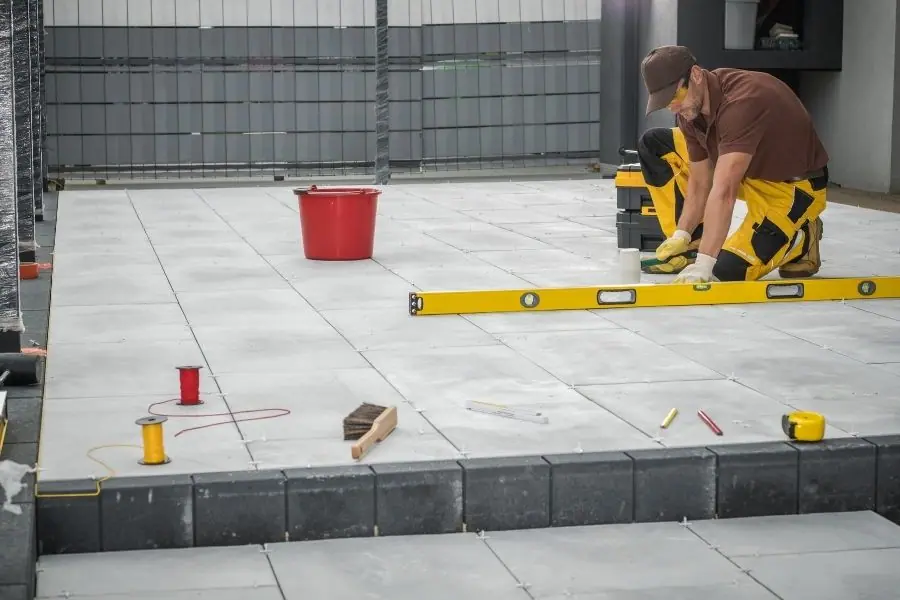
Understanding Foundation Restoration in Round Rock, TX
Foundation restoration is a broad term that encompasses a spectrum of structural interventions — from reinforcing pier systems and filling voids beneath concrete slabs to waterproofing crawl spaces and repairing cracked grade beams. The goal is always the same: to return a compromised foundation to structural integrity and prevent further deterioration.
The history of residential construction in Round Rock adds important context. The city experienced explosive growth beginning in the 1980s and accelerating dramatically through the 1990s and 2000s as the technology industry expanded along the IH-35 corridor. Subdivisions like Forest Creek, Sendero Springs, and Behrens Ranch were developed rapidly during this era, with builders working across the Blackland Prairie soil zone — one of the most problematic foundation environments in the United States. Many of these homes were built on post-tension slab foundations, which perform well when properly designed but are highly susceptible to damage when soil moisture conditions change dramatically over time.
Read moreShow less
Older areas closer to downtown Round Rock and along Brushy Creek feature pier-and-beam construction from the mid-20th century. These structures present their own restoration challenges, including rotting wood members, deteriorated piers, and shifting beam supports caused by decades of soil movement.
Commercial properties along the La Frontera corridor, Teravista business areas, and the IH-35 frontage roads often sit on larger engineered mat foundations or conventional slab systems. While these are designed for heavier loads, commercial foundations are not immune to the same soil pressures that affect residential structures.
Foundation restoration differs from simple repair in scope and permanence. A patch fills a crack; restoration addresses why the crack appeared in the first place. This distinction matters enormously in Central Texas, where ignoring root causes leads to recurring damage and escalating costs. Round Rock Foundation Repair Group approaches every project with a full restoration mindset — diagnosing, correcting, and protecting for the long term.
Signs You Need Foundation Restoration in Round Rock
Interior Warning Signs
- Diagonal cracks running from the corners of door frames or windows, typically at 45-degree angles
- Doors or windows that stick, refuse to latch, or have visible gaps between the frame and wall
- Floors that feel noticeably sloped when walking — a slope of more than 1 inch per 8 feet is a serious indicator
- Cracks in drywall that reappear after being patched, especially near ceiling-wall junctions
- Separation between walls and ceiling or between walls and floor
Exterior Warning Signs
- Stair-step cracks in brick veneer, particularly common in 1990s Round Rock construction
- Visible gaps between the slab edge and brick or siding
- Cracks in the concrete slab itself, especially those wider than 1/4 inch
- Chimneys that are visibly separating from the main structure
Urgent Indicators Requiring Immediate Attention
- Structural cracks wider than 1/2 inch in any load-bearing wall
- Visible bowing in basement or crawl space walls
- Sudden changes in floor slope following a heavy rain event or extended drought
- Plumbing leaks that cannot be explained by pipe age alone — slab movement often causes underground pipe breaks
If you observe any urgent indicators, contact Round Rock Foundation Repair Group immediately at (512) 220-3502. Delay dramatically increases both repair complexity and cost.
Free, no-obligation estimates
Talk to Round Rock Foundation Repair Group
Tell us what you need and we’ll take it from there.
Our process
Our Foundation Restoration Process in Round Rock, TX
- 01
Comprehensive Foundation Inspection (Day 1)
Every project begins with a thorough on-site inspection. Our technicians measure floor elevations at multiple points using a digital level and manometer, map visible cracks, assess drainage conditions, and evaluate soil exposure around the perimeter. In Round
- 02
Soil and Moisture Analysis (Days 1–3)
We assess the moisture profile around your foundation, which is critical in Williamson County’s Vertisol soils. In some cases, we coordinate with geotechnical resources to evaluate soil bearing capacity before recommending a restoration method.
- 03
Restoration Plan Development (Days 3–5)
Using inspection data, we develop a written restoration plan specifying pier locations, repair methods, drainage corrections, and timeline. We review this plan with you in detail before any work begins.
- 04
Site Preparation and Access (Day of Work Start)
Interior furniture is protected and moved as needed. Exterior landscaping near work zones is carefully managed. We identify and mark post-tension cables before any drilling in slab systems — a critical step for Round Rock’s predominantly post-tension residenti
- 05
Foundation Repair and Restoration (2–5 Days Depending on Scope)
Pier installation, void filling, crack repair, or crawl space work is performed according to the restoration plan. We work systematically from the most compromised areas outward, lifting and re-leveling the structure as we progress.
- 06
Drainage Correction (1–2 Days)
Since moisture imbalance is the primary cause of foundation movement in Round Rock, we address drainage deficiencies as part of every restoration — including grading corrections, downspout extensions, and French drain recommendations.
- 07
Final Inspection and Documentation (Final Day)
We conduct a post-restoration elevation survey, document all work performed, and provide you with a complete written record. This documentation is valuable for real estate disclosure and insurance purposes.
Foundation Restoration Methods Used in Round Rock, TX
Steel Push Pier Systems
Steel push piers are driven hydraulically through unstable surface soils and into competent bedrock or load-bearing strata — in Round Rock, this typically means reaching the Austin Chalk or Taylor Marl formations at depths of 15 to 30 feet. Push piers are our most commonly recommended method for significant differential settlement in residential properties throughout neighborhoods like Sendero Springs, Behrens Ranch, and Forest Creek. Learn About Structural Foundation Repair
Helical Pier Systems
Helical piers use a screw-like shaft that is torqued into the soil rather than driven. They are ideal for lighter structures, additions, and properties near Brushy Creek where soil conditions may not support the pressure required for push pier installation. Helical piers can also be installed in limited-access areas common in older Round Rock homes with pier-and-beam construction.
Slabjacking and Polyurethane Foam Lifting
For minor void filling and slab leveling beneath concrete slabs, we use high-density polyurethane foam injection. This method is minimally invasive, cures within 15 minutes, and is effective for cosmetic leveling of garage slabs, walkways, and areas with limited settlement. Concrete Foundation Repair Services
Crawl Space Restoration
For Round Rock’s older pier-and-beam homes, crawl space restoration involves replacing deteriorated wood beams, installing new concrete piers, adding moisture barriers, and improving ventilation. This method is common in properties built before 1970 in the historic downtown Round Rock area. Crawl Space Repair Services
Foundation Patching and Crack Injection
Epoxy and polyurethane crack injection seals active and dormant cracks in foundation walls and grade beams, preventing water intrusion and restoring tensile strength. Foundation Patching Services
Learn moreCost of Foundation Restoration in Round Rock, TX
Understanding the cost of foundation restoration in Round Rock, TX is essential for homeowners planning a repair project. Costs vary significantly based on the extent of damage, the method required, and property-specific conditions. Below are realistic ranges based on current Central Texas market rates.
Typical Cost Ranges
- Basic foundation inspection: $200 – $500 (some companies offer free inspections)
- Minor crack repair and patching: $500 – $2,500
- Polyurethane foam slab lifting (small areas): $1,500 – $4,000
- Steel or helical pier installation: $1,200 – $2,000 per pier; most residential projects require 8 to 20 piers, placing total costs between $10,000 and $40,000
- Full crawl space restoration: $5,000 – $15,000
- Commercial foundation restoration: $20,000 – $100,000+ depending on building size and method
Read moreShow less
Factors That Affect Cost in Round Rock
- Depth to stable strata: Round Rock’s Austin Chalk can be reached at varying depths. Deeper pier installations cost more per pier.
- Post-tension slab complexity: Post-tension slab homes, common throughout Round Rock’s 1990s–2000s subdivisions, require cable mapping before any penetration, adding to labor time.
- Drainage correction scope: Homes with significant drainage issues require additional grading or drain installation work.
- Access limitations: Tight lot lines in dense neighborhoods like Teravista or La Frontera can increase equipment and labor costs.
For an accurate cost estimate specific to your property, contact Round Rock Foundation Repair Group at (512) 220-3502. View All Foundation Restoration Services
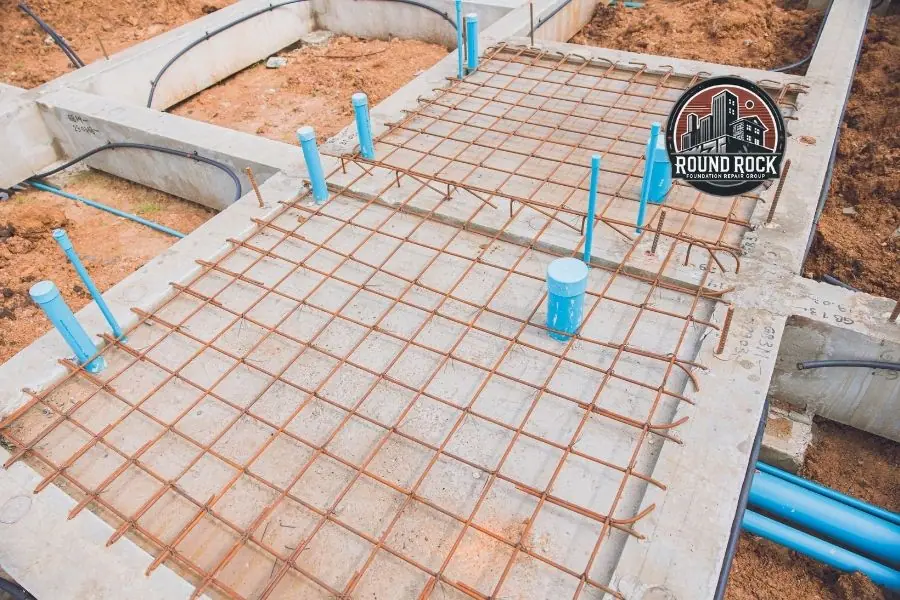
Neighborhoods We Serve in Round Rock and Surrounding Areas
Forest Creek and Paloma Lake
Developed primarily in the late 1990s and early 2000s, Forest Creek and Paloma Lake feature large post-tension slab homes on Blackland clay soils. These neighborhoods saw significant foundation distress following the 2011 drought and subsequent re-saturation events. Our teams are familiar with the builder-grade slab specifications used in this era and the common pier spacing requirements these properties demand.
Sendero Springs and Behrens Ranch
These western Round Rock communities, built between 2000 and 2015, sit near creek drainage features that create localized moisture variability. Homes here often experience settlement on one side while the opposite side remains stable — classic differential settlement requiring targeted pier placement.
Mayfield Ranch and Avery Ranch
Located along the Round Rock–Austin border, these master-planned communities include a mix of single-story and two-story homes built through the 2000s and 2010s. Live oak tree root systems in this area are a notable additional factor in foundation movement.
Historic Downtown Round Rock
Older homes near downtown Round Rock, many built between 1940 and 1970, predominantly use pier-and-beam construction. These properties often require crawl space restoration rather than slab repair. Home Foundation Repair Services
Foundation Maintenance Tips for Round Rock Homeowners
- Maintain consistent soil moisture: During Central Texas summer droughts, run a soaker hose along the perimeter of your foundation 18 to 24 inches from the slab edge to prevent excessive soil shrinkage. This is especially critical July through September in Round Rock.
- Ensure proper drainage slope: The ground around your home should slope away from the foundation at a minimum of 6 inches over the first 10 feet.
- Extend downspouts at least 4 to 6 feet from the foundation: Short downspouts are a leading cause of localized soil saturation and heaving in Round Rock neighborhoods.
- Monitor large trees: Live oaks and cedar elms common to Round Rock have extensive root systems that extract significant moisture from soils near the foundation.
- Check irrigation systems seasonally: Broken or misaligned irrigation heads that discharge against the foundation are a frequent contributor to differential settlement.
- Inspect plumbing annually: Post-tension slabs with slab-embedded plumbing should be leak-tested periodically — a single slow leak can saturate soil unevenly for years.
- Address cracks early: Small cracks sealed promptly cost a fraction of what full restoration costs when damage is allowed to progress through multiple seasonal cycles.
Why Choose Round Rock Foundation Repair Group
Round Rock Foundation Repair Group is a locally focused foundation restoration company serving Round Rock and the greater Williamson County and Travis County area. We are not a national franchise — we are specialists who work exclusively in Central Texas and understand the specific soil profiles, construction eras, and climate patterns that drive foundation issues here.
Our technicians are trained in both post-tension slab and pier-and-beam restoration, covering the full range of foundation types found throughout Round Rock’s neighborhoods. From the rapid-growth subdivisions of Sendero Springs and Forest Creek to the historic pier-and-beam homes near downtown, we bring the right tools and the right knowledge to every project.
Read moreShow less
We provide detailed written estimates before any work begins, transparent project timelines, and post-restoration elevation documentation. Our team approaches every project — residential or commercial — with the same commitment to diagnosing root causes and delivering lasting results rather than temporary fixes.
Call us at (512) 220-3502 or visit our office to schedule your professional foundation inspection. Contact Round Rock Foundation Repair Group
FAQ
Frequently Asked Questions About Foundation Restoration Costs in Round Rock, TX
How much does foundation restoration typically cost in Round Rock, TX?
Most residential foundation restoration projects in Round Rock range from $8,000 to $35,000 depending on the number of piers required, the method used, and whether drainage corrections are needed. Smaller crack repair and patching jobs can fall in the $1,000 to $5,000 range. Commercial projects vary widely and often exceed $50,000 for larger structures.
Why does foundation repair cost more in some Round Rock neighborhoods than others?
Neighborhoods near Brushy Creek or in areas with deeper soil instability may require piers driven to greater depths, increasing per-pier costs. Post-tension slab homes common in 1990s–2000s developments require additional labor for cable mapping before any drilling. Homes with poor existing drainage also require additional remediation work that adds to total project cost.
How long does foundation restoration take in Round Rock?
A typical residential restoration project involving pier installation takes 2 to 5 days of active work. The inspection and planning phase adds 3 to 5 business days before work begins. Complex commercial projects or homes requiring crawl space restoration may take 1 to 2 weeks of total project time.
Does homeowner’s insurance cover foundation restoration in Texas?
Standard Texas homeowner’s insurance policies typically exclude foundation damage caused by soil movement, settling, or shrinkage — which covers the vast majority of Round Rock foundation issues. Coverage may exist if damage is caused by a sudden, specific peril such as a plumbing break. We recommend reviewing your policy and consulting with your insurance agent before assuming coverage.
Will foundation restoration affect my home’s resale value in Round Rock?
Documented, professionally completed foundation restoration generally supports home value and marketability in the Round Rock real estate market. Texas law requires disclosure of known foundation issues, so having a completed and documented restoration with post-repair elevation surveys is far preferable to leaving issues unaddressed. Many buyers and lenders specifically request documentation of past repairs.
How do I know if my Round Rock home needs restoration versus minor repair?
Minor repairs address surface symptoms — crack filling, cosmetic leveling. Restoration addresses structural causes. If your home has measurable floor slope exceeding 1 inch per 8 feet, recurring cracks that reappear after patching, multiple sticking doors, or visible exterior brick separation, you likely need restoration rather than minor repair. A professional inspection is the only reliable way to know for certain.
Are there financing options available for foundation restoration in Round Rock?
Many Round Rock homeowners finance foundation restoration through home equity loans, personal loans, or contractor financing programs. Given that the average restoration project costs $15,000 to $25,000, financing is a practical option for most families. Ask us about available payment options when you call for your inspection.
How does the 2011 drought affect foundation restoration needs today?
The 2011 drought caused extensive, often severe soil shrinkage across Williamson County. Some properties that experienced significant settlement during that period and were not repaired have continued to deteriorate through subsequent wet-dry cycles. If your Round Rock home has not had a professional foundation evaluation since 2011, it is worth scheduling an inspection — particularly if you notice any of the warning signs described on this page.
Get Your Foundation Restoration Estimate in Round Rock, TX
Foundation problems do not resolve on their own — Central Texas soils will continue to expand and contract each season, and every cycle without intervention deepens the damage and increases restoration cost. Round Rock Foundation Repair Group is ready to help you understand exactly what your foundation needs and what it will cost to restore it properly.
Whether you are in Sendero Springs, Avery Ranch, Forest Creek, Paloma Lake, or anywhere in the Round Rock and greater Austin area, our team is available to schedule your professional foundation inspection.
Call us today at (512) 220-3502 to speak with a foundation specialist or to schedule your on-site evaluation. Do not wait — protecting your foundation now is always less expensive than restoring it later.
Request a Free Foundation Inspection | Explore Our Foundation Restoration Services
Get in touch
Find foundation repair help near you
Request a free estimate online or give us a call — our team will follow up quickly.
- Call us(512) 220-3502
- Visit1 Chisholm Trail Rd suite 450 room j, Round Rock, TX 78681
- HoursMon-Sat: 7:00 am – 7:00 pm