
Crawl space repair is a specialized service that addresses moisture intrusion, structural deterioration, pest damage, and ventilation failure beneath your home’s lowest level. In Round Rock, TX, where expansive clay soils and dramatic seasonal rainfall cycles create uniquely challenging conditions, crawl space problems can escalate quickly if left unaddressed. Understanding the true cost of crawl space repair in Round Rock, TX is the first step toward protecting your home’s structural integrity and indoor air quality.
At Round Rock Foundation Repair Group, we deliver thorough, transparent assessments so homeowners throughout Round Rock and the surrounding communities know exactly what they are paying for and why. Our team is familiar with the specific soil compositions, neighborhood building traditions, and climate patterns that define Central Texas construction — giving us an edge that out-of-town contractors simply cannot match. Call us today at (512) 220-3502 for a professional crawl space evaluation.

Understanding Crawl Space Repair in Round Rock, TX
A crawl space is the shallow, unfinished area beneath a home that sits between the ground surface and the first floor. Unlike a full basement, it typically ranges from 18 inches to 4 feet in height — just enough clearance for utility workers and inspectors to move through. In Round Rock, crawl spaces were a popular construction choice from the post-WWII housing boom through the mid-1990s, particularly in neighborhoods built before slab-on-grade foundations became the dominant standard in Central Texas.
Crawl space repair encompasses a broad range of corrective services: encapsulation with vapor barriers, structural beam and joist reinforcement, pier installation, drainage system improvements, dehumidifier placement, insulation replacement, and mold or fungal remediation. The specific combination of repairs needed depends on the severity of moisture accumulation, the degree of structural deflection, and the underlying cause of the damage.
Read moreShow less
Historically, crawl space construction was chosen in Central Texas because it elevated the living space above the seasonal flooding potential of low-lying lots and allowed easier access to plumbing and HVAC systems. However, this design also created an enclosed environment where moisture, pests, and poor airflow could quietly compromise structural wood members for years before homeowners noticed any visible symptoms.
In Round Rock specifically, a significant percentage of homes in older subdivisions — including parts of Forest Creek, Behrens Ranch, and Sendero Springs — were built over pier-and-beam or crawl space foundations before modern encapsulation standards were adopted. The Williamson County region’s combination of Blackland Prairie clay soils and limestone karst geology means that water movement beneath these homes is unpredictable and often aggressive, making routine maintenance and timely repair essential for long-term structural health.
Crawl space repair is not a cosmetic upgrade — it is a structural and environmental necessity. Left unaddressed, a deteriorating crawl space can lead to sagging floors, elevated indoor humidity, respiratory issues from mold spores, and ultimately expensive foundation failure. Learn more about our full Crawl Space Repair services
Why Crawl Space Repair Is Needed in Round Rock, TX
Expansive Blackland Prairie Clay Soils
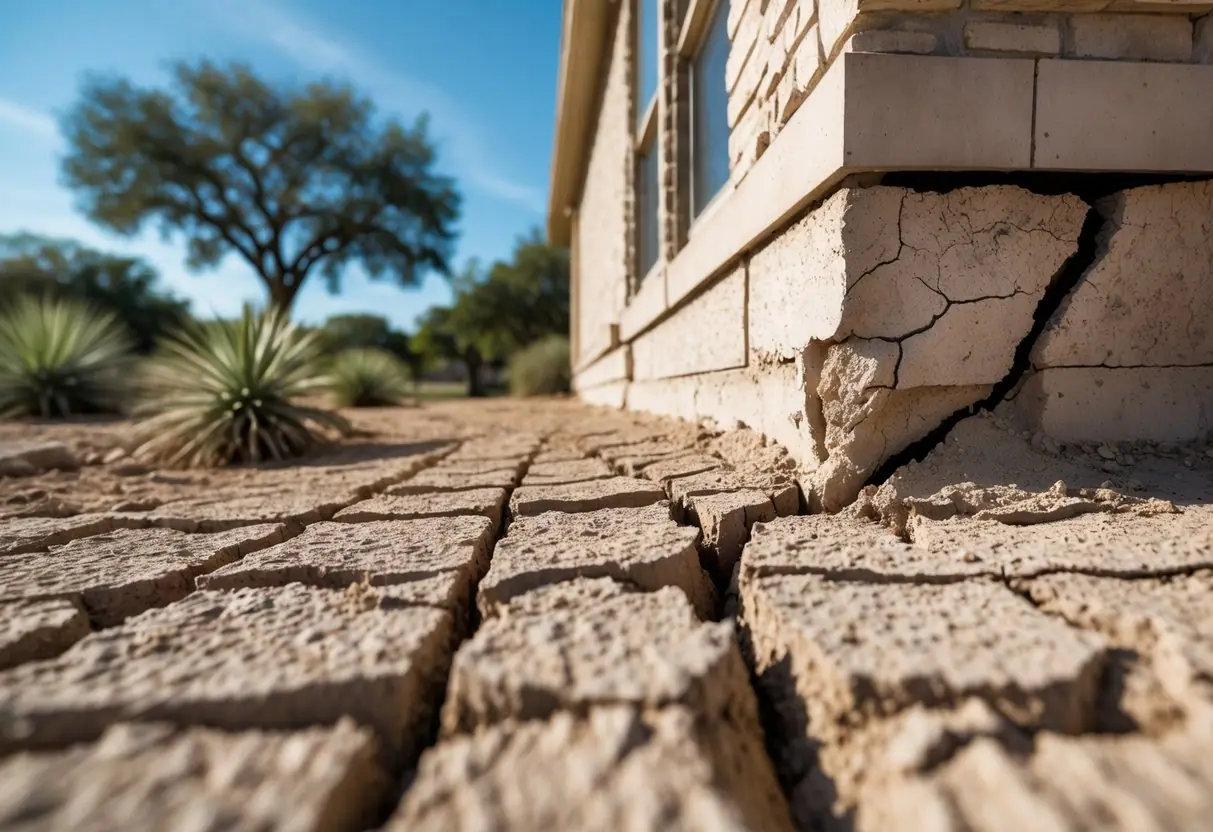
The dominant soil type beneath much of Round Rock is Houston Black clay, a member of the Blackland Prairie series common across Williamson County. This soil is classified as a Vertisol — meaning it shrinks dramatically during drought (losing up to 30% of its volume) and swells significantly when saturated. Seasonal movement of 2 to 4 inches of vertical soil displacement is not uncommon beneath homes in subdivisions like Teravista, Mayfield Ranch, and Cat Hollow in Brushy Creek. This cyclical expansion and contraction places continuous mechanical stress on crawl space piers, beams, and floor joists.
Drought and Flash Flood Cycles
Central Texas is defined by weather extremes. The exceptional drought of 2011 — one of the worst in Texas recorded history — caused severe soil shrinkage across Williamson County, damaging thousands of foundations in Round Rock and neighboring Georgetown. Then, the Halloween floods of October 2015 and subsequent rain events brought rapid soil re-saturation. These boom-and-bust moisture cycles create uneven soil support beneath crawl spaces, leading to differential settlement and wood member deterioration.
High Ambient Humidity and Condensation
Round Rock’s average annual relative humidity hovers between 65% and 75%, with summer months frequently pushing past 80% in the early morning hours. Without proper encapsulation, crawl spaces beneath homes in La Frontera, Avery Ranch, and Wells Branch accumulate ground moisture vapor that condenses on cooler wood surfaces. Over time, wood moisture content exceeding 19% triggers wood rot and creates ideal conditions for fungal growth including Serpula lacrymans (dry rot fungus), which can consume floor joists in as little as 18 to 24 months under prolonged exposure.
Invasive Pest Pressure
Round Rock and the broader Pflugerville–Cedar Park corridor are classified as a high-activity zone for Formosan and Eastern subterranean termites by Texas A&M AgriLife Extension. Termite colonies thrive in the moist, dark, wood-rich environment of an unencapsulated crawl space. Pest damage to structural members compounds the cost of repair significantly when infestations go undetected, as they often do beneath homes in Anderson Mill and Great Hills areas near the Travis–Williamson County line.
Inadequate Original Construction Standards
Many Round Rock homes built between 1975 and 1995 were constructed before modern crawl space ventilation and vapor barrier requirements were codified in the International Residential Code. Homes in Forest Creek (built primarily in the late 1980s and early 1990s) frequently feature minimal cross-ventilation and no continuous ground vapor barrier, leaving them especially vulnerable to the moisture and soil movement challenges described above.
Free, no-obligation estimates
Talk to Round Rock Foundation Repair Group
Tell us what you need and we’ll take it from there.
Signs You Need Crawl Space Repair
Structural Warning Signs
- Floors that feel bouncy, soft, or visibly slope more than 1 inch over 10 feet
- Cracked or separated floor tiles, especially in kitchens and bathrooms
- Doors and windows that stick, bind, or no longer latch properly
- Visible sagging or gaps between the floor and baseboards
Moisture and Air Quality Signs
- Persistent musty or earthy odor throughout the home’s lower level
- Elevated indoor humidity readings above 60% even with HVAC running
- Condensation on windows or pipes during summer months
- Visible mold on walls, subflooring, or insulation
- Worsening allergy or asthma symptoms among household members
Pest Activity Signs
- Mud tubes on crawl space walls or piers — a hallmark of subterranean termites
- Wood that sounds hollow when tapped or crumbles under pressure
- Evidence of rodent nesting or droppings in the crawl space
Urgency Indicators
If you notice structural floor sagging exceeding 2 inches, active standing water in the crawl space, or multiple warning signs simultaneously, treat this as an urgent situation requiring inspection within 48 to 72 hours. Delay significantly increases repair scope and cost. Schedule a Foundation Inspection today
Our process
Our Crawl Space Repair Process in Round Rock, TX
- 01
Comprehensive Crawl Space Inspection (Day 1 — 2 to 3 Hours)
Our certified technicians perform a complete crawl space assessment including moisture meter readings on all accessible wood members, laser level measurements of floor slope, photographic documentation of all damage, and soil condition observation at pier base
- 02
Detailed Written Estimate and Repair Plan (Day 1–2)
Within 24 hours of the inspection, you receive an itemized estimate with specific repair recommendations, projected timelines, and transparent pricing. We explain every line item so you understand what you are paying for and why each element is necessary given
- 03
Water and Moisture Mitigation (Day 2–3, 1 to 2 Days)
Before any structural work begins, we address active water intrusion. This may include installation of interior French drains, sump pump systems, or exterior grading corrections. In Round Rock’s clay-heavy soil environment, managing water first prevents new da
- 04
Structural Repair and Reinforcement (Day 3–6, 2 to 4 Days)
Damaged floor joists, beams, and sill plates are sistered, replaced, or reinforced. Where settlement has occurred, adjustable steel crawl space support posts — helical or concrete pier based — are installed to restore floor level and distribute load evenly. Al
- 05
Crawl Space Encapsulation (Day 5–7, 1 to 2 Days)
We install a minimum 20-mil reinforced polyethylene vapor barrier across the entire crawl space floor and up the foundation walls, sealed at all seams and penetrations. This encapsulation system is specifically sized for the humidity levels common in Round Roc
- 06
Ventilation and Dehumidification (Day 7, 4 to 6 Hours)
Properly sized commercial-grade dehumidifiers and vent systems are installed to maintain crawl space relative humidity below 55% year-round — the threshold that prevents mold and wood rot in Central Texas conditions.
- 07
Final Inspection and Documentation (Day 7–8)
We conduct a post-repair walkthrough with the homeowner, provide all documentation for insurance and resale purposes, and outline a recommended annual maintenance schedule tailored to Round Rock’s seasonal patterns.
Crawl Space Repair Methods We Use in Round Rock
Full Crawl Space Encapsulation
The most comprehensive solution for moisture control, encapsulation involves sealing the entire crawl space with heavy-duty vapor barriers, wall liners, and conditioned air supply or dehumidification. This method is ideal for homes in Round Rock’s high-humidity summer months and is strongly recommended for older construction in Forest Creek and Behrens Ranch.
Crawl Space Pier and Beam Repair
Where soil settlement has caused floor deflection, we install helical piers or concrete block and mortar piers beneath sagging structural members. Helical piers are particularly effective in Round Rock’s clay soils because they penetrate past the active zone — typically 8 to 12 feet deep — to reach stable load-bearing strata. Explore our Structural Foundation Repair options
Wood Joist and Beam Sistering
Damaged or weakened floor joists are reinforced by attaching new full-length lumber alongside the compromised member — a technique called sistering. This restores structural capacity without requiring complete removal of the original framing.
Drainage and Sump Pump Installation
For crawl spaces with active water intrusion — a common issue following Round Rock’s periodic heavy rain events — interior perimeter drain channels direct water to a sump pit where a submersible pump discharges it safely away from the foundation.
Insulation Replacement
Degraded fiberglass batt insulation is removed and replaced with closed-cell spray foam or rigid foam board, which resists moisture absorption and provides superior thermal performance in Round Rock’s climate — reducing HVAC load while protecting structural wood.
Cost of Crawl Space Repair in Round Rock, TX
Homeowners in Round Rock, TX typically invest between $1,500 and $15,000 for crawl space repair, with the average comprehensive project falling in the $4,000 to $8,500 range. Here is a breakdown of typical cost categories:
- Vapor Barrier / Partial Encapsulation: $1,500 – $4,000 depending on square footage
- Full Crawl Space Encapsulation: $5,000 – $10,000 for average Round Rock home sizes (1,500–2,500 sq ft)
- Structural Joist or Beam Repair: $500 – $3,000 per damaged section
- Pier Installation (per pier): $250 – $600 for concrete; $1,200 – $2,000 for helical piers
- Drainage System and Sump Pump: $2,500 – $5,500
- Dehumidifier Installation: $800 – $2,000
- Mold Remediation: $1,000 – $4,000 depending on affected area
Read moreShow less
Round Rock–Specific Cost Factors: Homes on lots with pronounced clay soil expansion, particularly in lower-elevation areas near Brushy Creek or the Paloma Lake watershed, often require additional drainage solutions that increase project costs by 15% to 25% compared to homes on better-draining loam soils. Permit fees through the City of Round Rock typically range from $150 to $400 for crawl space structural work.
We provide free, no-obligation estimates so you understand your specific cost before any work begins. Call (512) 220-3502 to schedule yours. Request a Free Foundation Inspection
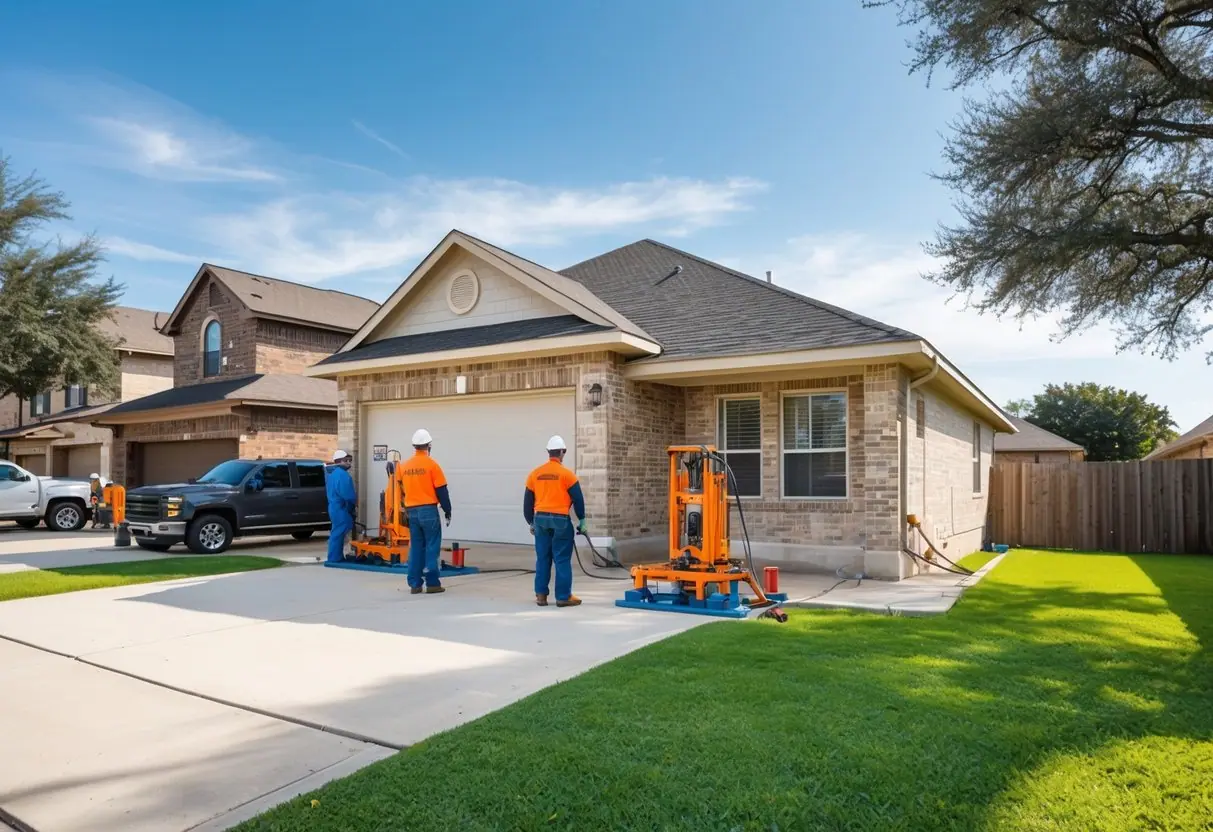
Neighborhoods We Serve in Round Rock and Beyond
Forest Creek (Round Rock, TX 78664)
Developed primarily between 1988 and 1998, Forest Creek contains a substantial number of pier-and-beam homes whose original vapor barriers have reached end of life. Proximity to Brushy Creek’s drainage corridor increases subsurface moisture levels, making encapsulation a high-priority investment for homeowners here.
Sendero Springs and Behrens Ranch (Round Rock, TX 78681)
These hillside communities feature mixed slab and pier-and-beam construction on lots with significant grade change. Crawl spaces on sloped lots collect runoff and require specialized drainage solutions in addition to standard encapsulation work.
Teravista (Round Rock, TX)
A master-planned community built from the early 2000s onward, Teravista’s newer construction still faces Blackland Prairie clay challenges. Homeowners here increasingly seek proactive encapsulation to protect long-term property values.
Avery Ranch (Austin, TX 78717) and Cat Hollow (Brushy Creek, TX 78681)
Straddling the Williamson–Travis County line, these communities are within our active service area. Homes near the Brushy Creek greenbelt face elevated groundwater tables seasonally, requiring robust sump and drainage integration with crawl space repair projects. View all Service Areas we cover
Crawl Space Maintenance Tips for Round Rock Homeowners
- Inspect Annually in March and October: These months bracket Round Rock’s wettest seasons. A quick visual check catches new moisture intrusion or pest activity early.
- Maintain Positive Grade Around Foundation: Ensure the soil slopes away from your foundation at a minimum of 6 inches over 10 feet — especially critical with Round Rock’s clay soils that channel surface water toward the structure.
- Keep Gutters and Downspouts Clear: Extend downspouts at least 6 feet from the foundation to prevent concentrated water discharge adjacent to crawl space walls.
- Monitor Indoor Humidity: Place an inexpensive hygrometer in the lowest occupied floor level. Readings consistently above 60% indoors suggest crawl space moisture migration.
- Check Vapor Barrier Integrity: During your annual inspection, look for tears, standing water on the barrier surface, or areas where the barrier has pulled away from walls or piers.
- Schedule Pest Inspections: Given Round Rock’s high termite activity rating, maintain an annual pest control contract that includes crawl space inspection.
- Test Sump Pump Function Quarterly: Pour water into the sump pit before each major rain season to confirm the pump activates and discharges properly.
- Avoid Crawl Space Storage: Cardboard boxes and organic materials stored in crawl spaces attract pests and trap moisture — keep the space clear at all times.
Why Choose Round Rock Foundation Repair Group
When it comes to the cost of crawl space repair in Round Rock, TX, choosing the right contractor is as important as the repair itself. Round Rock Foundation Repair Group is a locally operated company with deep familiarity with Williamson County’s soil profiles, building stock, and climate demands. We don’t apply cookie-cutter national solutions — we design repair plans around the specific conditions of your home and neighborhood.
Our technicians are trained in the latest encapsulation, drainage, and structural reinforcement methods. We use commercial-grade materials sized for Central Texas’s humidity and temperature extremes, not minimum-spec products designed for milder climates.
We provide transparent, itemized estimates with no hidden fees. You will know the full scope and cost before we begin a single day of work. Our team serves Round Rock, Cedar Park, Georgetown, Pflugerville, Austin, and all surrounding communities with the same level of care and expertise.
Ready to protect your home? Call (512) 220-3502 or contact us online to schedule your free crawl space assessment.
FAQ
Frequently Asked Questions About Crawl Space Repair Costs in Round Rock, TX
How much does crawl space repair cost in Round Rock, TX?
Most crawl space repair projects in Round Rock range from $1,500 for a basic vapor barrier installation to $15,000 or more for full encapsulation combined with structural pier work and drainage systems. The average comprehensive repair for a typical Round Rock home falls between $4,000 and $8,500. We provide free estimates so you know your exact cost upfront.
Why is crawl space repair more expensive in Round Rock than in other Texas cities?
Round Rock’s Blackland Prairie clay soils create more severe and unpredictable ground movement than sandier soils found in other Texas markets. This often necessitates deeper pier solutions (helical piers reaching 8–12 feet) and more robust drainage integration, both of which increase material and labor costs compared to simpler soil conditions.
How long does crawl space repair take in Round Rock?
A standard crawl space repair project in Round Rock typically takes 3 to 7 business days from mobilization to completion. Projects requiring extensive structural work or large-scale drainage installation may extend to 10 to 14 days. We provide a detailed schedule with your written estimate.
Does homeowner’s insurance cover crawl space repair in Round Rock?
Coverage depends on the cause of damage. Sudden events like a burst pipe flooding the crawl space may be covered. Gradual moisture damage, soil movement, and normal wear are typically excluded. We can provide detailed documentation to support your insurance claim if applicable. Always verify with your specific policy.
Is crawl space encapsulation worth the cost in Round Rock’s climate?
Yes — emphatically. Round Rock’s combination of high ambient humidity (65–75% average), extreme soil movement, and active termite pressure means that unencapsulated crawl spaces deteriorate significantly faster here than in drier climates. Encapsulation typically pays for itself through reduced HVAC costs, avoided structural repairs, and improved home resale value within 7 to 10 years.
Can I repair my crawl space myself to save money?
DIY vapor barrier installation is possible for minor moisture management but is not recommended for structural repairs, pier installation, or mold remediation. Improper structural work can void your homeowner’s insurance and create liability during resale. In Round Rock, where soil conditions require engineered pier solutions, professional installation is strongly advised.
How do I know if my Round Rock home needs crawl space repair versus foundation repair?
These issues frequently overlap. Crawl space deterioration (wood rot, moisture, pest damage) affects the structural members that rest on your foundation. Foundation problems (soil settlement, pier failure) cause the crawl space floor system to deflect. A comprehensive inspection by Round Rock Foundation Repair Group evaluates both systems simultaneously so you receive an accurate, complete picture. Schedule a Combined Foundation and Crawl Space Inspection
Do you offer financing for crawl space repair in Round Rock?
We work with several financing partners to help Round Rock homeowners manage crawl space repair costs. Please call us at (512) 220-3502 to discuss available payment plans and financing options tailored to your project scope.
Get Your Free Crawl Space Repair Estimate in Round Rock, TX
Don’t let moisture, structural damage, or pest activity silently erode your home’s value and safety. The cost of crawl space repair in Round Rock, TX is always more manageable when problems are caught early — and significantly more expensive when damage is allowed to compound over time.
Round Rock Foundation Repair Group is ready to provide a thorough, honest assessment of your crawl space with a fully transparent, itemized estimate. We serve Round Rock, Cedar Park, Georgetown, Pflugerville, Austin, Avery Ranch, Teravista, Forest Creek, Sendero Springs, and all surrounding communities.
Call us today at (512) 220-3502 or submit your information online to schedule your free crawl space inspection. Protect your home — and your investment — with the local experts who know Round Rock’s soil, climate, and construction inside and out.
Get in touch
Find foundation repair help near you
Request a free estimate online or give us a call — our team will follow up quickly.
- Call us(512) 220-3502
- Visit1 Chisholm Trail Rd suite 450 room j, Round Rock, TX 78681
- HoursMon-Sat: 7:00 am – 7:00 pm