You may notice cracks, uneven floors, or doors that stick — signs that your foundation needs attention in Round Rock’s shifting clay soil. Scheduling a free foundation inspection gives you a clear, no-cost look at the problem and a plan to fix it before damage gets worse.
A free inspection identifies issues early, explains causes, and shows practical repair options so you can protect your home and budget.

Act now to book an on-site check from a local expert who can measure movement, check drainage, and advise on repairs or monitoring. Knowing the condition of your foundation helps you make fast, confident choices about repairs, permits, and next steps.
Key Takeaways
- Get a free inspection to find foundation problems early.
- Local specialists assess soil, cracks, and drainage for tailored advice.
- An inspection gives clear options so you can decide what to do next.
How to Schedule a Free Foundation Inspection in Round Rock
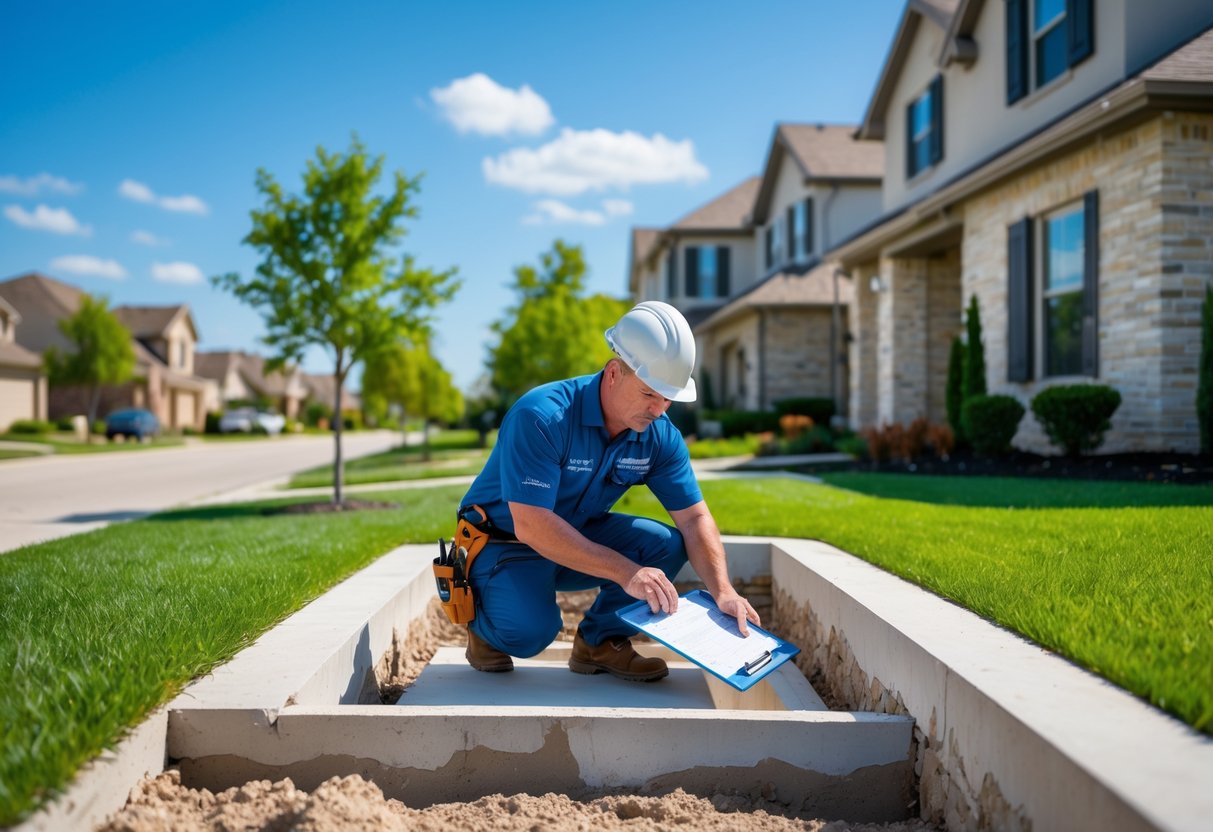
You can book a free foundation inspection quickly by calling, booking online, or emailing a local foundation repair company. A clear booking process and acting quickly if you see signs of damage will help protect your home.
Steps to Book Your Free Inspection
Call the foundation repair company’s local Round Rock number or use their online scheduler to pick a date and time. Provide your address, best contact phone, and a brief list of visible issues (wall cracks, uneven floors, stuck doors).
Ask if the inspection is truly free and whether an engineer’s report or written estimate carries a fee. Confirm the inspector’s name, company (look for “foundation repair specialists” or “Round Rock foundation repair”), and expected arrival window.
If you prefer email, include photos of cracks or bowing walls to speed the on-site review. Keep notes on warranties and permit handling if the company will manage repairs after inspection.
What to Expect During Your Appointment
The inspector will walk the interior and exterior looking for common signs: foundation cracks, gaps at windows, sloped floors, and soil drainage issues. They may measure wall crack width, use a level or laser to check floor pitch, and inspect crawlspace piers or concrete slab edges.
If the company offers a full evaluation, they’ll document findings and explain repair options like slab piers, push piers, or drainage fixes. Ask for a written estimate and timeline.
If you want an engineer’s report, request it up front; some foundation repair specialists include it or provide it as an add-on. Plan to be on-site to point out trouble areas and ask questions about costs, timelines, and how the company will obtain permits in Round Rock if needed.
Importance of Timely Foundation Assessment
Scheduling a free foundation inspection early helps you catch problems before they grow. In Round Rock, clay soils expand and contract with moisture, which can worsen cracks and increase repair costs if you wait.
A timely inspection gives you a documented condition report you can use for insurance, resale, or to compare quotes from foundation repair companies. Acting quickly can prevent secondary issues like water intrusion, mold, or structural shifts that affect floors and framing.
If you see multiple cracks or doors that no longer close, book the free inspection now and keep the written estimate and recommendations for your records.
Understanding Foundation Issues and Solutions in Round Rock

You need to know what to look for, which foundation types are common, and what repair options pros use so you can decide when to schedule an inspection.
Warning Signs of Foundation Problems
Watch for visible signs inside and outside your home. Cracks in drywall or masonry, doors and windows that stick, and uneven floors are common indicators.
Small hairline cracks may be cosmetic, but wide, stair-step, or expanding cracks often point to structural movement. Check exterior features: gaps between siding and foundation, sloping patios, or separation at brick chimneys.
On slab homes, notice if floors feel bouncy or tiles lift. For pier and beam houses, sagging joists, visible pier settlement, or crawlspace moisture suggest issues.
Track changes over weeks or months—rapid change means act sooner.
Overview of Local Foundation Types
Round Rock homes often sit on two main types: concrete slab foundations and pier and beam systems. Newer tract homes typically use slabs poured on expansive clay soils.
Older homes may have pier and beam with wooden joists over a crawlspace. Slab foundations transfer load directly to soil.
When soil shrinks or swells, slabs can crack or tilt. Pier and beam foundations rest on concrete or masonry piers; failure shows as sagging floors or shifted beams.
Commercial buildings may use deeper footings or mat slabs and need heavier-duty approaches like helical piers. Know your foundation type so you and a pro can plan the right repair method.
Foundation Repair Solutions and Technology
Repair choices depend on the problem and foundation type. For concrete slab repair, technicians commonly use polyurethane foam injection to lift sunken slabs or mudjacking to fill voids.
For severe settlement, helical piers or driven steel piers anchor the structure to stable soil layers and allow foundation leveling. Pier and beam repair can include replacing damaged piers, sistering joists, and adding adjustable steel piers to re-level the house.
Commercial work often combines deep piers and structural reinforcement. Expect a clear repair plan that lists materials, estimated lift amounts, timeline, and warranty.
Ask about soil testing, load calculations, and minimally invasive options like foam lifting.
Benefits of Professional Foundation Inspections
A professional inspection gives you accurate diagnosis and a repair roadmap. Inspectors measure floor slopes, door gaps, and crack patterns.
They use levels, laser tools, and sometimes foundation piers or soil reports to pinpoint causes. You avoid unnecessary repairs and get cost estimates for targeted fixes like pier and beam foundation repair or slab foundation repair.
Pros also document the foundation repair process, provide permits if needed, and offer warranties on work and materials. For commercial or complex cases, professional services coordinate engineers, contractor crews, and follow building codes to protect your property value.
Frequently Asked Questions
These answers cover common signs of foundation trouble, how Round Rock weather affects foundations, what happens during an inspection, how repairs are done with minimal disruption, typical repair timelines, and whether repairs last long term.
What are the typical signs that indicate the need for a foundation inspection?
Look for new or growing cracks in interior walls, especially above doors or windows. Horizontal cracks in foundation walls or stair-step cracks in brickwork also signal problems.
You might notice uneven or sloping floors, doors and windows that stick, or gaps between walls and floors. Exterior signs include separated or sinking patios, sidewalks, and driveway slabs.
How does climate in Round Rock impact foundation integrity?
Round Rock has clay-rich soils that expand when wet and shrink when dry. This soil movement puts pressure on foundations and can cause shifting or settling over time.
Heavy summer rains and periods of drought both stress foundations. Poor drainage around your home makes wet conditions worse and raises the risk of cracking and settling.
What should I expect during a professional foundation inspection process?
The inspector will start with an exterior and interior visual check for cracks, gaps, and drainage issues. They will measure wall and floor levels and note any doors or windows that don’t operate smoothly.
A detailed inspection may include a W-level survey or structural measurements to track movement. The inspector will explain findings and give a written report with repair options and cost estimates.
Is it possible to repair a foundation without significant disruption to my property?
Many repairs use localized methods like steel piers, helical piers, or slab jacking that minimize excavation. Technicians often work in small areas around the foundation rather than tearing up your whole yard.
You may still see equipment and temporary soil disturbance, but crews can limit debris and restore landscaping after work. Discuss staging, access routes, and cleanup with the contractor before work starts.
How long does it typically take to complete a foundation repair once issues are identified?
Small repairs such as crack sealing or minor leveling can take a day or two. Pier installation or larger stabilization projects usually take several days to a week depending on soil conditions and the home’s size.
Permits, weather delays, and restoration work can extend the schedule. Your contractor should give a clear timeline before work begins.
Can foundation repairs provide a long-term solution or are they usually temporary fixes?
Properly designed repairs that match the soil and load conditions can provide long-term stability.
Methods like driven piers or helical piles transfer load to stable soil layers and reduce future movement.
Routine maintenance, like fixing drainage and keeping soil moisture stable around the foundation, helps preserve repair results.
Ask for warranties and documentation on the repair method and expected performance.