
You may spot the first signs of foundation trouble before they become costly. Look for cracks in walls or floors, doors and windows that stick or gap, and sloped or uneven floors in your Round Rock home.
These are the most common, visible warning signs that the foundation is shifting.
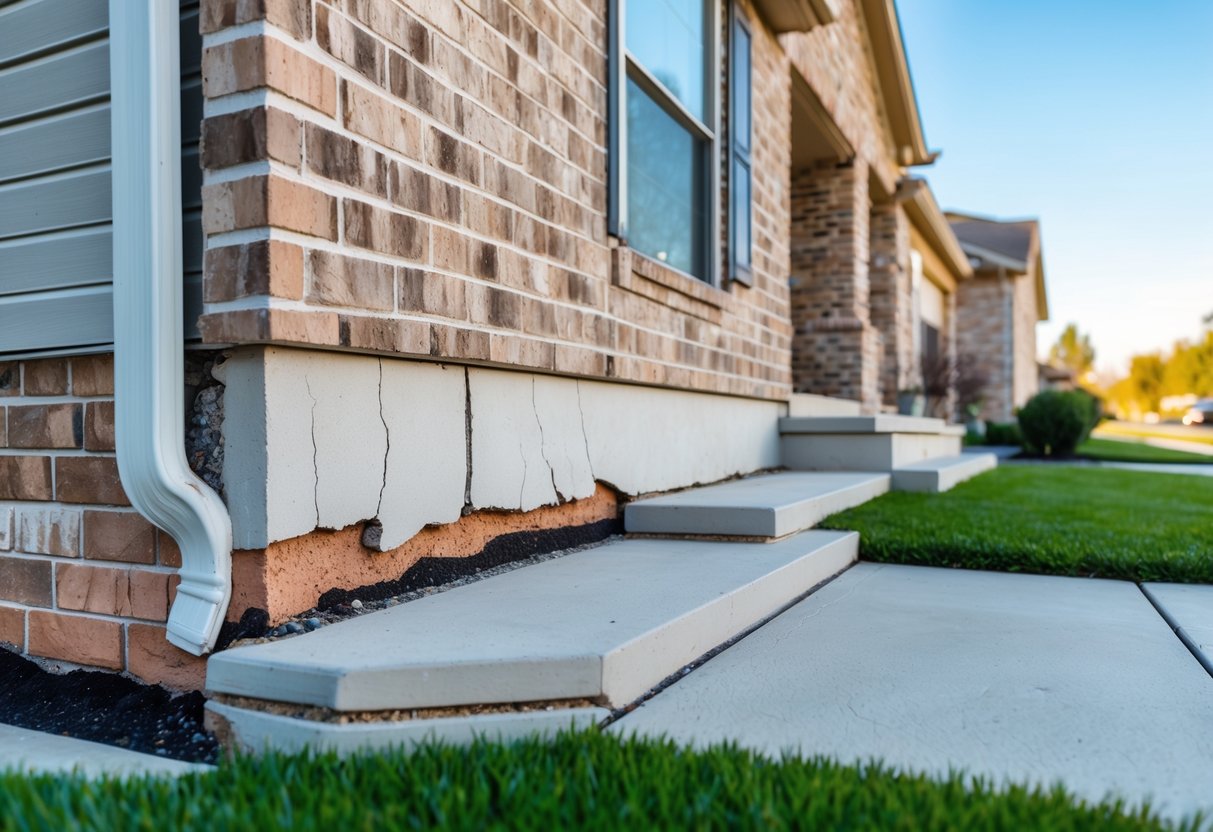
Check outside too: gaps at the foundation line, leaning chimneys, and water pooling near the foundation can make problems worse fast. Keep notes and photos of what you see so you can track changes and share clear information with a contractor or inspector.
Key Takeaways
- Watch for cracks, sticking doors, and uneven floors as primary signs.
- Exterior drainage and visible gaps can speed up foundation damage.
- Document changes and get a pro inspection when multiple signs appear.
Most Telling Signs of Foundation Problems in Round Rock Homes
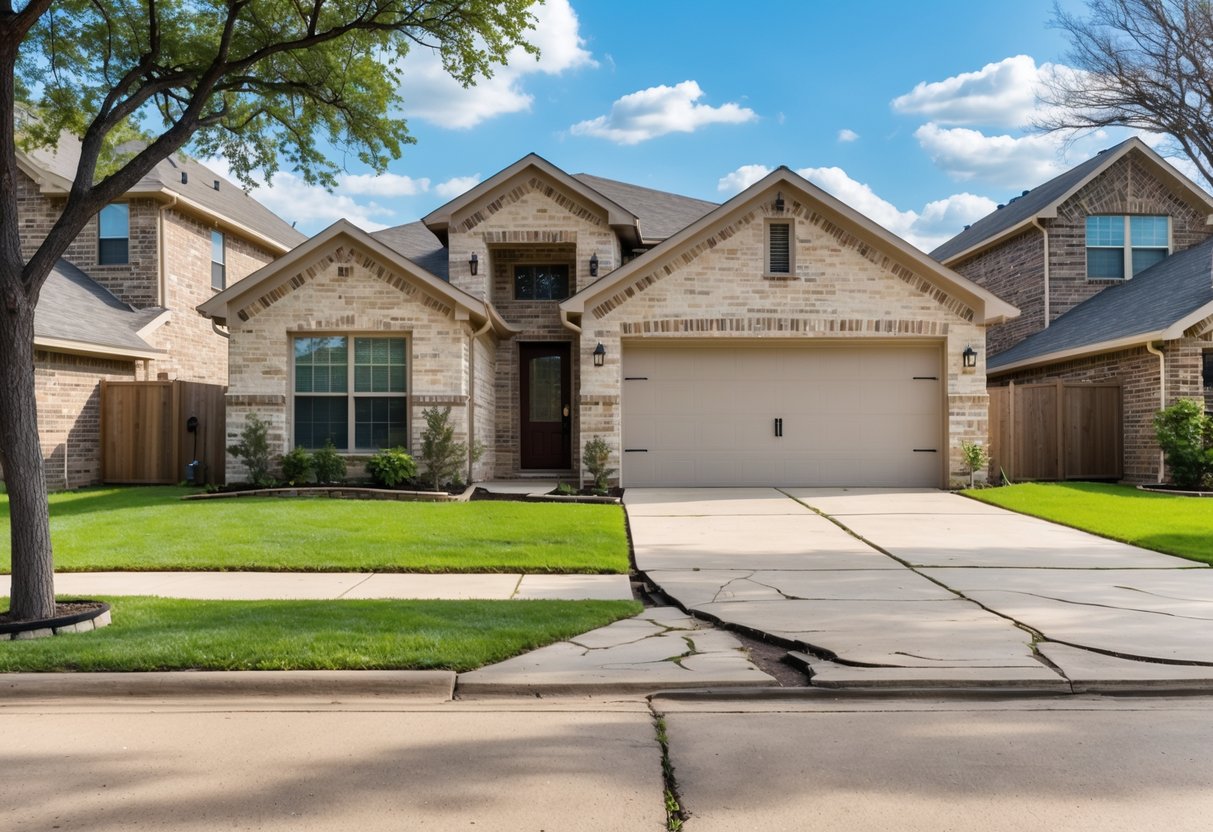
You may notice small changes at first that point to foundation trouble: cracks in walls or the foundation, floors that tilt or bounce, doors and windows that no longer open smoothly, and gaps around trim or exterior features. These signs often appear together and grow worse over time.
Cracks in Walls and Foundations
Look for vertical, horizontal, diagonal, and stair-step cracks in concrete, brick, and drywall. Vertical hairline cracks in exterior block or poured concrete can form from normal settling, but wide vertical cracks (more than 1/4 inch) need attention.
Horizontal cracks in basement or foundation walls suggest pressure from soil or water and can mean serious movement. Diagonal and stair-step cracks in brick or block near corners of windows and doors usually show differential settlement—one part of the foundation sank more than another.
Check interior drywall for nail pops and cracked drywall near these exterior cracks. Keep a record of crack width and length and take photos monthly to track change.
Uneven or Sloping Floors
Walk through rooms and watch for sloping or sagging floors and places where furniture rocks. A gradual slope across a room or a dip near interior walls often signals foundation settling or an unsupported beam.
Feel for bouncy or springy floor sections—that can mean joists are failing or the subfloor has separated from supporting foundation elements. Look at floor cracks in tile or concrete; long, continuous cracks that follow the slope or meet wall cracks point to foundation movement.
Measure slope if you can: a change of 1/4 inch over 6 feet is worth noting. Track locations and note any new movement after heavy rain.
Sticking Doors and Windows
Doors and windows that suddenly stick, jam, or need force to latch usually mean the frame has shifted. If exterior doors drag at the top or bottom, that suggests the wall or foundation moved vertically or laterally.
Windows that won’t open evenly or show uneven gaps when closed point to a tilted frame from settlement. Check both interior and exterior trim for cabinet separation or gaps that match where doors stick.
Test multiple doors and windows across the house. If several are affected, that increases the chance of a foundation issue instead of a single swollen door or weather-related swelling.
Gaps and Separation Around Home Features
Look for gaps between the foundation and brick veneer, gaps at the top of window or door frames, and separation of baseboards or cabinetry from walls. These gaps often appear where the foundation has settled unevenly.
Watch siding and masonry: warped siding or a leaning chimney shows larger movement. Gaps at the sill plate or where steps meet the foundation also matter.
Measure gaps and photograph them next to a coin or ruler to show scale. If gaps grow after storms or seasonal soil shifts, that suggests ongoing foundation settlement rather than a one-time shrink/swell.
Secondary Warning Signs and Conditions Worsening Foundation Damage
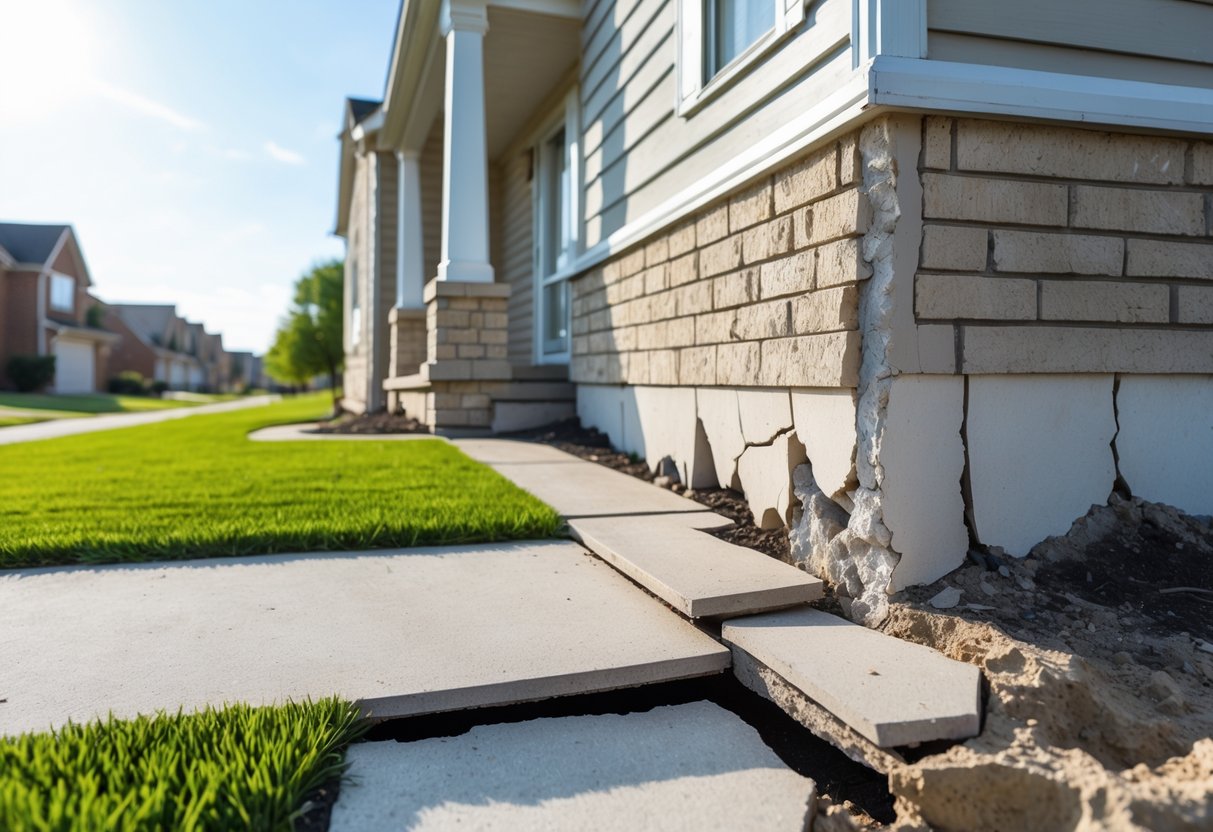
You should watch for moisture, wood decay, and changing soil around your house. These factors often make small foundation problems grow into costly structural issues.
Moisture and Water Issues
Excess moisture near your foundation speeds up damage. Look for pooling water by downspouts, wet soil against the foundation, and a damp crawl space.
These signs point to poor drainage, clogged gutters, or downspouts that dump water too close to the house. Hydrostatic pressure from saturated soil can push on basement or slab walls and cause cracks or bowing.
Check for plumbing leaks, water stains, and efflorescence (white mineral deposits) on foundation walls. Musty odors, visible mold and mildew, or mold growth on wood or insulation mean moisture is present and active.
Control water by extending downspouts, fixing grading so soil slopes away from the foundation, and using French drains or gutter repairs. If you have persistent water intrusion, call a foundation contractor or plumber to stop leaks and reduce hydrostatic pressure.
Structural Distortions and Wood Rot
Watch for sagging floors, separating baseboards, and doors that stick or no longer latch. These are signs that floor joists, foundation piers, or the pier and beam system may be shifting or settling.
If you find rotted wood in floor joists, sill plates, or beams, the structural integrity of those members is at risk. Wood rot and pest infestations often follow ongoing moisture problems.
Rotted timbers can lead to uneven floors and increased load on remaining supports, which raises the chance of structural failure. Inspect crawl spaces regularly.
Replace rotted framing, tighten or add foundation piers, and sister or reinforce damaged joists. Treat or remove mold and dry the area to stop further rot and protect the rest of the structure.
Environmental and Soil Factors
Expansive clay soils and soil erosion directly affect your foundation. In Round Rock, clay soils can swell when wet and shrink when dry, causing soil movement that lifts or drops slab edges and stresses foundation walls.
Look for cracks that open wider in dry weather or doors that suddenly stop closing after heavy rain. Erosion around footings, exposed foundation piers, or gaps between soil and foundation indicate poor soil stabilization and drainage issues.
Poor grading, nearby downspout runoff, or heavy landscaping can worsen these conditions. Address soil problems by regrading, installing proper drainage, and using soil stabilization methods such as moisture control systems or engineered fill.
For major movement, a structural engineer can recommend underpinning, piers, or other foundation repair options to restore stability.
Frequently Asked Questions
This section names clear warning signs, how to spot them early, what different crack patterns mean, and when to call pros. It also explains how soil and weather affect foundations and which inspections you should get.
What are indicators of serious foundation damage in a house?
Large, widening cracks in brick, masonry, or interior walls point to serious movement. Doors and windows that jam or pull away from frames by more than about 1/4 inch suggest the house has shifted.
Floors that slope noticeably or separate at seams, and stair-step cracks in exterior brick, are also strong indicators. Visible gaps between walls and floors or between walls and ceilings often mean structural components are under stress.
How can you detect early signs of foundation problems?
Check for small horizontal or diagonal cracks in the basement or crawlspace walls and track whether they grow over weeks. Look for nail pops, uneven tile grout, or small gaps at baseboards; these often appear before larger changes.
Measure door and window gaps and recheck monthly for movement. Use a level or straightedge on floors and walls to spot subtle tilts or bows.
What are the implications of horizontal vs. vertical foundation cracks?
Vertical cracks often come from normal settling and may be less urgent if narrow and stable. Horizontal cracks typically reflect lateral pressure from soil or water and pose a higher risk to structural integrity.
Diagonal or stair-step cracks in brick usually show differential settling, where one area sinks more than another. Any crack that widens, leaks, or is accompanied by other symptoms needs professional evaluation.
What role does soil composition play in foundation stability?
Clay soils expand when wet and shrink when dry, which can lift or pull at foundations seasonally. Sandy, well-draining soils reduce moisture-related movement but can erode and cause settlement if not compacted properly.
Fill soils, loose backfill, or organic material under a slab can compress over time and lead to uneven support. Knowing the local soil type helps you choose the right repairs and drainage solutions.
How do weather conditions affect foundation integrity?
Extended drought can dry out clay soils and cause them to shrink, lowering foundation support and creating gaps. Heavy rain and poor drainage increase hydrostatic pressure and can push against foundation walls, causing bowing or leaks.
Rapid wet-dry cycles worsen soil movement and stress on foundation elements. Maintain consistent moisture levels near the foundation to reduce risk.
What professional assessments are recommended for suspected foundation issues?
Start with a licensed structural engineer for a written evaluation if you see major cracks, wall bowing, or doors that no longer function.
A foundation contractor can provide repair options and cost estimates after the engineer defines the cause.
Have a geotechnical report if you suspect soil problems.
Get drainage or grading assessments to address surface water.
Ask professionals for a scope of work, timeline, and warranty before agreeing to repairs.