You can protect your home without overspending by choosing proven, local repair methods that match Round Rock’s clay soils and seasonal weather.
Affordable options like targeted pier installations, slab leveling, and improved drainage can stop movement and fix cracks without a full foundation rebuild.
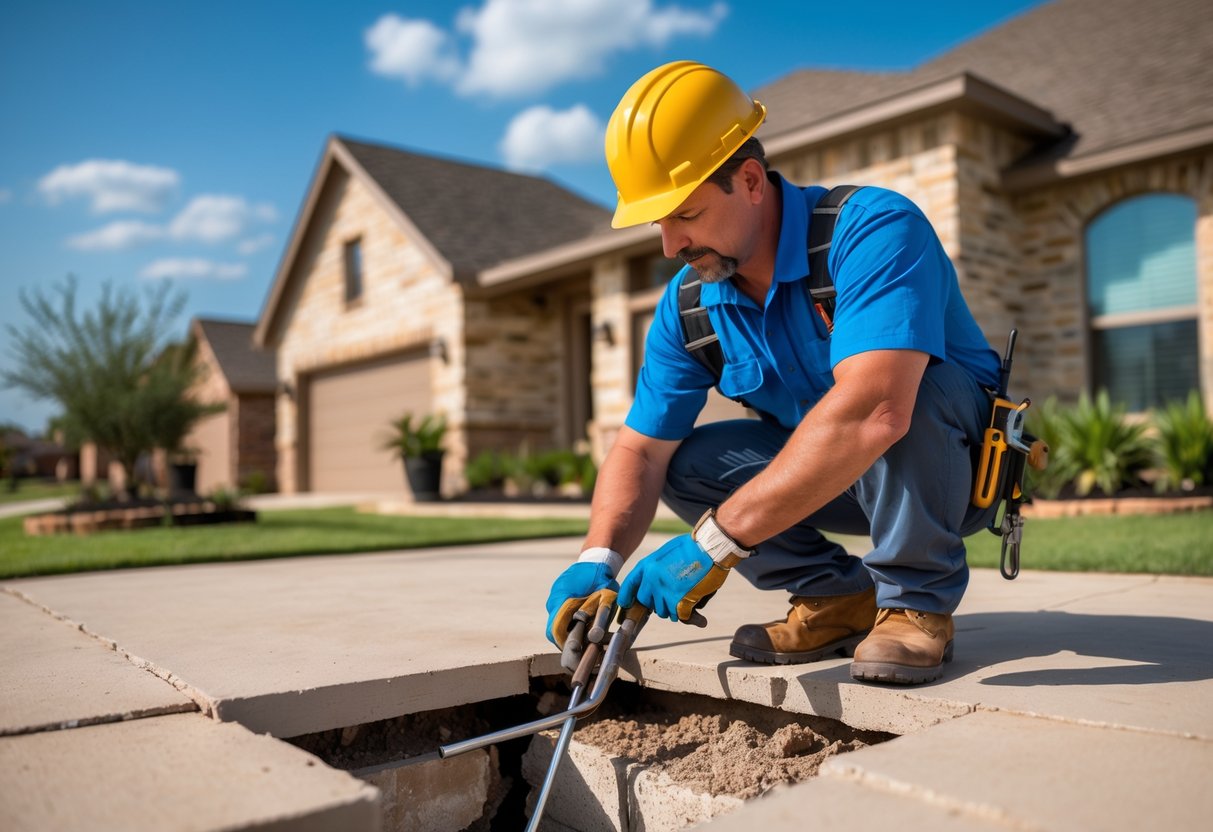
Start by checking for signs like uneven floors, wall cracks, or sticking doors.
Get a local inspection to compare quotes and warranty terms.
Local crews know the soil and offer cost-effective fixes that prevent bigger expenses later.
Key Takeaways
- Fix common foundation issues using cost-effective, local repair methods.
- Prevent future damage by addressing drainage and soil movement early.
- Compare inspections and warranties to find the best value for your home.
Affordable Foundation Repair Solutions in Round Rock, TX
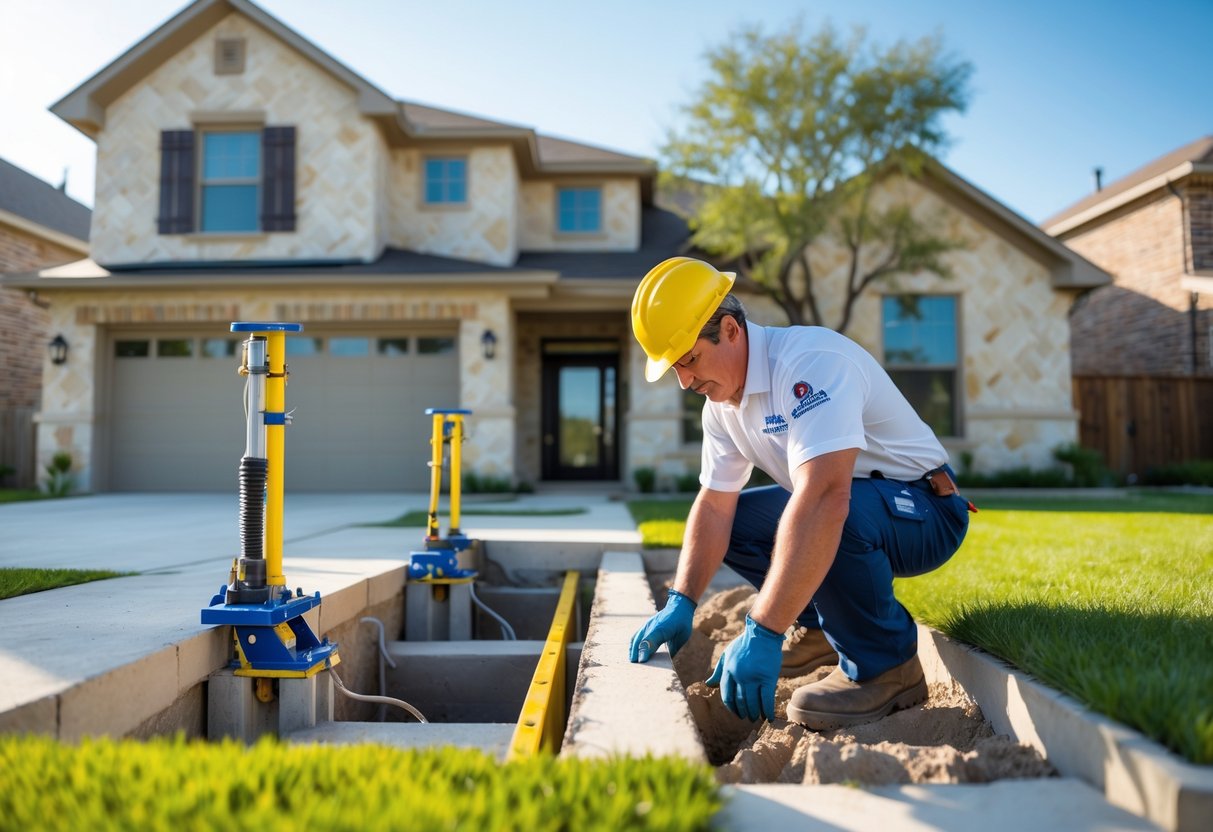
You will learn common causes of foundation issues, how to spot them, the repair methods available, and why a professional assessment matters.
These points help you choose cost-effective fixes that match your home’s needs.
Common Causes of Foundation Issues
Texas clay soils shrink and swell with moisture changes, and Round Rock sits on expansive clay that often causes foundation movement.
Poor drainage, such as clogged gutters or downspouts that dump water near the foundation, adds pressure and speeds deterioration.
Improper grading or nearby tree roots can pull moisture from one side of a slab, causing uneven floors and cracks.
Older pier and beam homes suffer from rotted or sinking piers and sills.
New construction with inadequate compaction can settle unevenly in the first few years.
Heavy rain followed by drought creates seasonal stress that leads to foundation cracks and misaligned doors and windows.
Identifying Signs of Foundation Problems
Look for horizontal or stair-step cracks in brick or block walls and vertical cracks in interior drywall.
You may notice doors and windows that stick or do not latch, gaps between walls and ceilings, or sloped and uneven floors.
Exterior signs include cracks in the slab, separation at garage door frames, and visible foundation movement.
Use a simple level or measure gaps around doors to track change over time.
A foundation inspection will confirm whether cracks are cosmetic or structural, and it pinpoints whether you need slab foundation repair, pier and beam foundation repair, or foundation stabilization.
Types of Foundation Repair Methods
For slab foundation repair, contractors often use concrete pier installations or steel piers to lift and stabilize settled areas.
Polyurethane foam injection can fill voids and lift small settled slabs quickly and affordably.
For pier & beam foundation repair, repair crews replace rotted posts, install sister joists, and add new support piers to restore level floors.
Foundation leveling commonly uses hydraulic jacks combined with piers or helical anchors for long-term support.
Crack repair and sealants address water intrusion but do not stop movement.
Commercial foundation repair uses heavier-duty piers and deeper anchors to handle larger loads and more severe settlement.
Benefits of Professional Assessment
A professional foundation inspection provides an accurate diagnosis and a written estimate you can use to compare foundation repair services.
Inspectors measure foundation movement, document cracks, and recommend targeted fixes like stabilization, leveling, or pier replacement to keep costs down over time.
You gain access to proper equipment and warranties when you hire certified round rock foundation repair contractors.
Professionals also identify drainage or landscaping fixes that prevent future damage, which can save you money compared with repeated cosmetic repairs.
Smart Prevention and Drainage Solutions
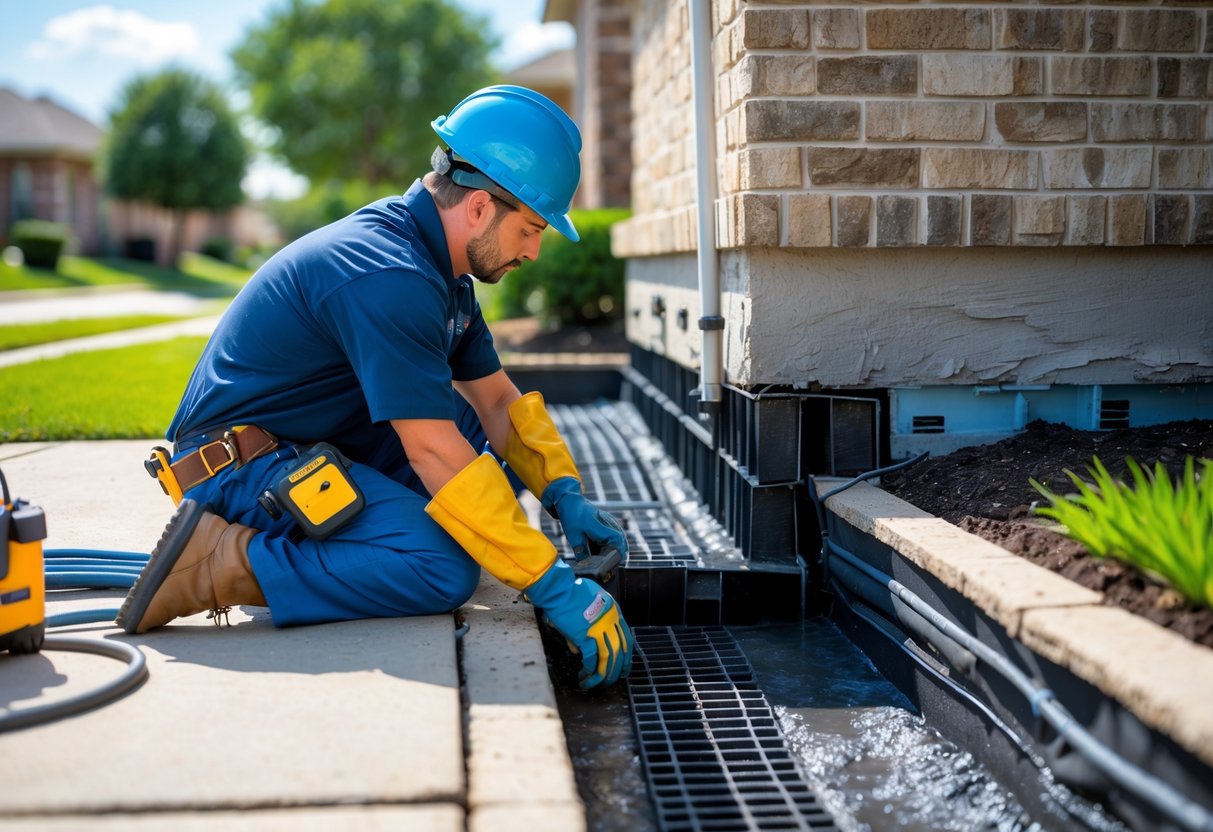
You will learn practical steps to keep water away from your foundation, strengthen the soil under your home, and fix uneven concrete.
These actions target common causes of foundation damage in Round Rock, like clay soils and heavy rains.
Effective Drainage Correction Techniques
Start by grading the ground so surface water moves away from your foundation at a slope of at least 5% for the first 10 feet.
Low spots near the foundation need soil added and compacted to prevent pooling.
Install gutters and downspouts that extend 4–6 feet from the house or tie them into storm drains to stop roof runoff from soaking the soil near your foundation.
Use French drains or perforated pipe in a gravel trench to intercept groundwater and carry it to a safe outlet.
Place the trench below the footing line where possible, or along problem perimeter sections.
Consider surface drains and catch basins for patios or driveways that funnel water into pipes.
Maintain all drains by clearing debris each season to keep flow clear and effective.
Soil Stabilization Strategies
Test the soil around your home to identify expansive clay layers and moisture patterns.
You can add non-expansive fill in problem zones to reduce movement.
Compact fill in 4–6 inch lifts to avoid future settling.
Install a moisture control plan: maintain even watering near the foundation, use soaker hoses on a timer during dry months, and avoid planting large trees close to the house.
Roots and inconsistent moisture worsen soil shrink-swell.
For severe cases, contractors can use lime or cement stabilization to bind expansive soils and lower plasticity.
Geotextile fabrics and engineered fills work under new slabs or patios to separate poor native soil from structural fills.
Ask for a written test report and method when a contractor proposes chemical stabilization.
The Importance of Concrete Leveling
If your slab foundation, sidewalks, or patios show unevenness, opt for slab foundation leveling to restore safety and drainage.
Concrete leveling methods include mudjacking (grouting) and polyurethane foam injection.
Mudjacking pumps a cementitious slurry under the slab; it works well for larger voids but is heavier.
Polyurethane foam expands and cures quickly, is lighter, and often requires smaller holes with less surface repair.
Choose the method that suits the damage: polyurethane for quick fixes and minimal disruption; mudjacking for broad areas needing substantial fill.
Make sure the contractor checks drainage and soil support before leveling so the repair lasts.
Frequently Asked Questions
This section answers practical questions about spotting foundation damage, expected repair costs in Round Rock, insurance rules, upkeep steps, local contractors, and how local soil affects fixes.
Use these facts to decide when to call a pro and what options to expect.
How can I identify the signs that my foundation needs repair?
Look for horizontal or stair-step cracks in brick or block walls.
Small hairline cracks are common, but widening or shifting cracks signal movement.
Doors or windows that stick, won’t latch, or have gaps can mean the frame shifted.
Sloping or uneven floors and gaps between walls and baseboards also point to settling.
Exterior signs include leaning chimneys, separation at porch or deck connections, and cracks in exterior masonry.
Take photos and note changes over weeks to show a contractor.
What are the typical costs for foundation repair in Round Rock, TX?
Minor cosmetic crack repairs can cost a few hundred to a couple thousand dollars.
More involved fixes like piering, slab jacking, or structural underpinning usually run from several thousand to tens of thousands.
Exact price depends on damage extent, soil work needed, access, and the chosen method.
Always get at least two written estimates that list materials, labor, and warranties.
Can homeowner’s insurance cover foundation repair costs in Texas?
Standard homeowner’s policies in Texas usually do not cover wear, age, or soil-related settling.
You may get coverage only if a sudden, covered event caused the damage, like a plumbing rupture or a covered natural disaster.
Read your policy and ask your insurer for a written explanation.
Consider a third-party opinion from a licensed structural engineer if you plan to dispute a denial.
What are the best practices for maintaining a foundation to avoid costly repairs?
Keep soil moisture near the foundation consistent by using soaker hoses or drip lines during dry months.
Maintain gutters and downspouts so water drains at least 5–10 feet from your foundation.
Avoid planting large trees or shrubs close to the house and fix plumbing leaks quickly.
Inspect your foundation and crawl space annually and address small cracks before they grow.
Which local companies in Round Rock, TX are known for reliable and affordable foundation repair?
Several local firms serve Round Rock, including Perma Pier, Round Rock Foundation Repair Specialists, JRS Foundation Repair, Universal Foundation Experts, and local contractors with long histories in Williamson County.
Some companies also offer free inspections and A+ BBB ratings.
Check each company’s recent reviews, verify licenses, and ask for references from nearby jobs.
Compare written estimates, materials, timelines, and warranty terms before you hire.
How do soil conditions in Round Rock affect foundation integrity and repair solutions?
Round Rock sits over clay soils that expand when wet and shrink when dry. This swelling and shrinking puts pressure on slabs and pier-and-beam supports, causing movement and cracks.
Repair methods often include deep piers to reach stable layers. Soil grading to redirect water and moisture control around the foundation are also common.
A contractor should evaluate soil type on your lot before recommending a solution.