
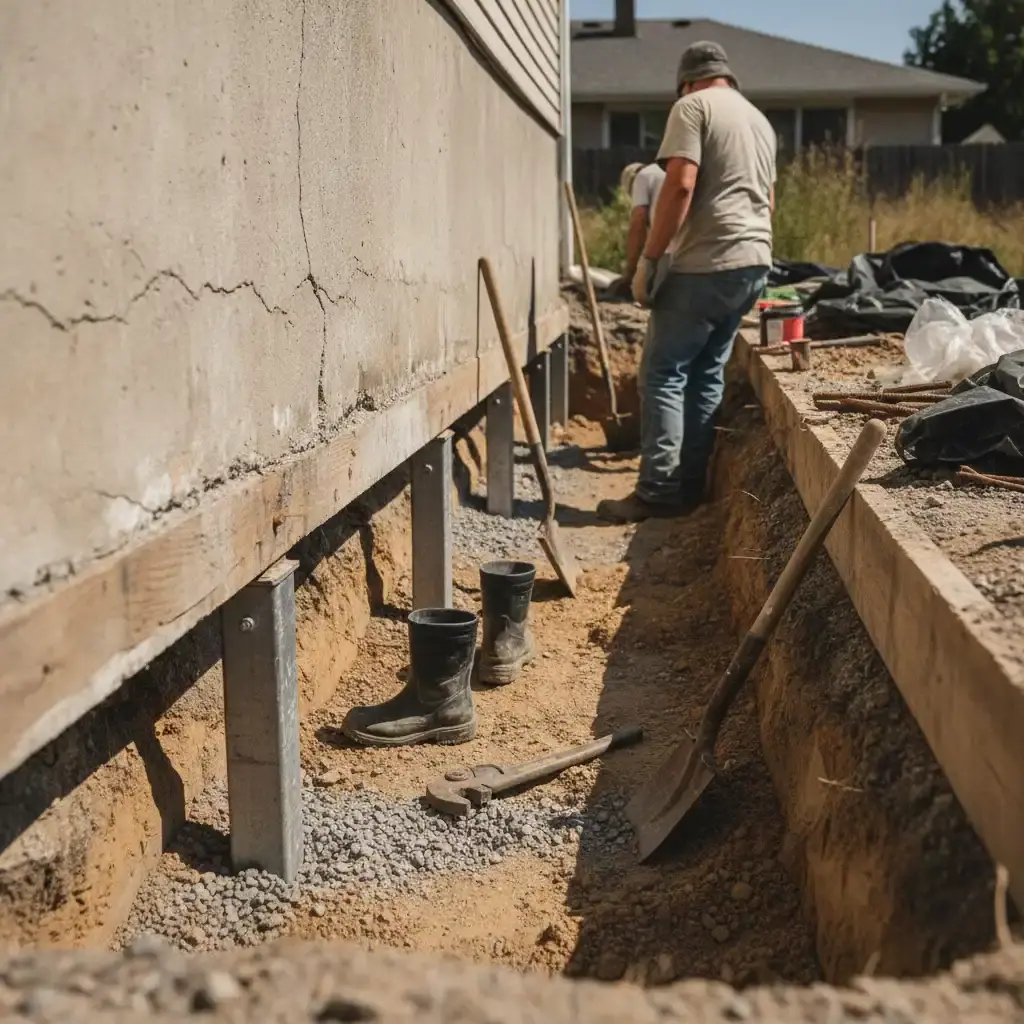
Emergency Foundation Repair in Leander, TX
24/7 Emergency Emergency Foundation Repair Available in Leander, TX
Need emergency foundation repair in Leander, TX? Round Rock Foundation Repair Group responds fast to slab failures, pier damage & more. Call (512) 220-3502 now.
When your foundation fails without warning, every hour matters. Emergency Foundation Repair in Leander, TX is a rapid-response structural service designed to stabilize, assess, and restore compromised foundations before minor damage escalates into catastrophic structural failure. At Round Rock Foundation Repair Group, we respond to urgent foundation crises across Leander and the surrounding Hill Country corridor, bringing professional-grade equipment and deep local knowledge directly to your property.
Leander’s explosive population growth, expansive clay soils, and dramatic seasonal drought cycles create uniquely demanding conditions for residential and commercial foundations. Whether you’re dealing with a sudden slab crack after a summer drought, a bowing wall following heavy spring rains, or a crawl space that’s shifted overnight, our team is equipped to respond fast. We serve homeowners, property managers, and business owners throughout Leander with the urgency and precision that foundation emergencies demand.
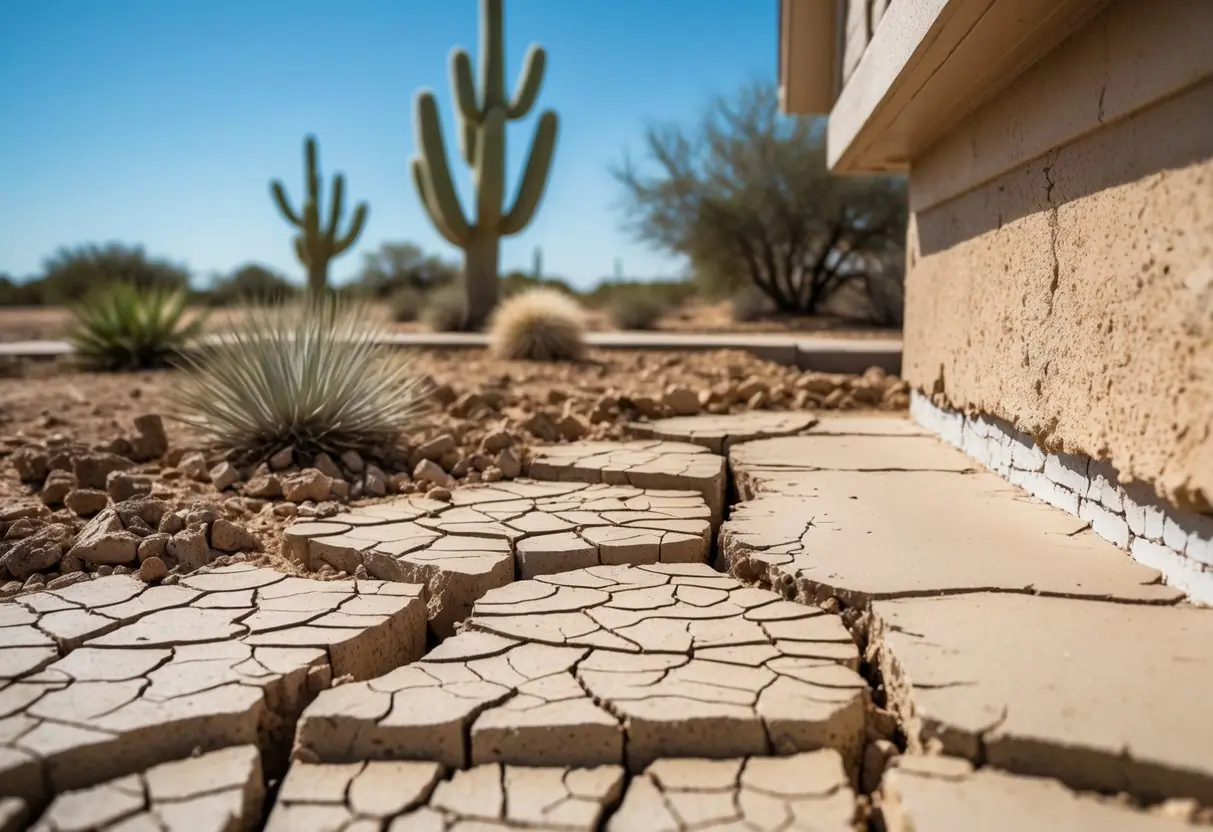
Understanding Emergency Foundation Repair
Emergency foundation repair refers to unscheduled, time-sensitive structural intervention required when a foundation suffers sudden or rapidly accelerating damage that poses an immediate risk to building safety, habitability, or structural integrity. Unlike routine foundation maintenance or planned repair projects scheduled weeks in advance, emergency repairs must be initiated within hours or days to prevent irreversible damage.
Foundations have supported human structures for thousands of years, but modern engineered slab-on-grade and pier-and-beam systems became the standard for Central Texas construction throughout the mid-twentieth century. As suburban development pushed outward from Austin into communities like Leander during the 1980s, 1990s, and especially the 2000s boom, tens of thousands of homes were constructed on soils that engineers recognized as problematic even at the time of building. The reactive nature of Central Texas clay—expanding with moisture and shrinking during drought—has always created elevated foundation risk in this region.
Read moreShow less
In Leander specifically, the rapid expansion brought on by the MetroRail line opening in 2010 and the subsequent tech-sector migration accelerated residential construction at a pace that sometimes outpaced proper soil preparation and drainage planning. Today, the city’s housing stock ranges from 1970s ranch-style homes near the historic downtown core to massive 2020s master-planned communities like Bryson and Crystal Falls, each with distinct foundation profiles and vulnerability windows.
Emergency foundation repair addresses acute situations including sudden slab heave, post-flood pier displacement, collapse of crawl space supports, major horizontal cracking in basement or stem walls, and dramatic door or window frame distortion that develops over days rather than months. These events distinguish themselves from gradual settlement by their speed and severity. Ignoring them risks not only structural damage but also creates immediate safety hazards, compromises insurance claims, and can trigger mandatory municipal condemnation orders under Williamson County building codes.
Round Rock Foundation Repair Group has built its emergency response capability specifically around the conditions found in the greater Leander area, including the soil types, drainage patterns, and construction vintages most common to Williamson County’s fastest-growing city.
Why Emergency Foundation Repair Is Needed in Leander, TX
Expansive Clay Soils of the Balcones Fault Zone
The dominant soil type beneath most of Leander is Austin Chalk overlain by Montmorillonite-rich black clay, commonly called “black gumbo” by local contractors. This soil expands up to 30% in volume when saturated and contracts dramatically during drought, generating differential pressure beneath slabs that can exceed 2,000 pounds per square foot in extreme cycles. The Balcones Escarpment, which runs roughly along US-183 through eastern Leander, creates an abrupt geological transition zone where these clay behaviors are especially pronounced. Neighborhoods straddling this zone—including portions of Trails of Shady Oak and Savannah Oaks—frequently experience the most severe differential movement.
Drought and Flood Cycles Unique to Leander
The Texas drought of 2010–2014, which brought Leander to Stage 4 water restrictions by 2012, caused severe soil shrinkage that left hundreds of foundations unsupported across Williamson County. The subsequent transition to La Niña and El Niño rainfall swings produced cycles of rapid re-saturation that cracked previously stable slabs. More recently, the February 2021 Winter Storm Uri caused underground pipe ruptures beneath slabs throughout Leander’s newer subdivisions, with water migrating under foundations for days before detection. The extreme freeze-thaw event affected soil structure in ways that engineers are still quantifying, and many post-Uri foundation failures have emerged as delayed emergencies in 2022 and 2023.
Rapid Development and Grading Practices
Leander’s population grew from approximately 7,500 in 2000 to over 75,000 by 2023, a tenfold increase that required aggressive mass grading of the natural Hill Country terrain. Large master-planned communities including Crystal Falls, Bryson, and Mason Hills were developed on terraced limestone hillsides where cut-and-fill grading created artificial lot configurations. Fill soil placed beneath foundations in these areas consolidates over time, particularly when improperly compacted during rushed construction timelines. Homes built between 2005 and 2012 on these graded lots are now reaching the age at which consolidation-driven settlement frequently becomes an emergency.
Infrastructure Growth Outpacing Drainage Design
Leander’s storm drainage infrastructure has struggled to keep pace with impervious cover growth. Sheet flow from new commercial development along US-183A and Ronald Reagan Boulevard increasingly redirects stormwater toward established neighborhoods. Flooding events that deposit standing water against foundations for 48–72 hours—such as those experienced during the May 2015 Memorial Day floods that impacted portions of Williamson County—can saturate subgrade soils rapidly and trigger heave or pier displacement within weeks.
Aging Pier-and-Beam Stock Downtown
The older homes within Leander’s historic core, many built between the 1940s and 1970s, use pier-and-beam construction that is now experiencing wood rot, insect damage, and deterioration of original concrete piers. These systems can fail relatively suddenly when a single supporting element gives way, making emergency repair the only viable response.
Free, no-obligation estimates
Talk to Round Rock Foundation Repair Group
Tell us what you need and we’ll take it from there.
Signs You Need Emergency Foundation Repair in Leander
Structural Warning Signs
- Diagonal cracks wider than 1/4 inch extending from window or door corners
- Horizontal cracks in brick veneer or stem walls indicating lateral soil pressure
- Visible separation between the foundation and the wall framing above it
- Sudden appearance of multiple cracks across several rooms simultaneously
Functional Warning Signs
- Doors or windows that were previously operable becoming impossible to open or close within a period of days
- Floors that develop a noticeable slope or bounce that wasn’t present previously
- Cabinets pulling away from walls or countertops separating from backsplashes
- Chimney leaning or visibly separating from the main structure
Environmental Triggers Requiring Immediate Inspection
- Discovery of a plumbing slab leak confirmed by a plumber (extremely common in Leander due to post-Uri pipe stress)
- Flooding or standing water around the foundation perimeter following a storm event
- A large tree removal within 20 feet of the foundation, which releases soil moisture rapidly
- Visible void or gap appearing beneath the slab edge
If two or more of these symptoms appear simultaneously or any single symptom develops rapidly over 24–72 hours, treat the situation as a foundation emergency and call (512) 220-3502 immediately.
Our process
Our Emergency Foundation Repair Process
- 01
Emergency Dispatch and Site Arrival (Within 2–24 Hours)
Upon receiving your call, we dispatch a senior technician to your Leander property. Response time depends on severity—active structural collapses receive same-day response, while urgent-but-stable situations are typically assessed within 24 hours. We serve all
- 02
Emergency Structural Assessment (2–4 Hours On-Site)
Our technician conducts a thorough visual and instrumental inspection, including floor level measurements using digital manometers, crack width documentation, exterior grade evaluation, and drainage pattern review. We note Leander-specific factors such as prox
- 03
Immediate Stabilization Measures (Same Day When Required)
When active movement is detected or safety is compromised, we implement immediate temporary stabilization. This may include shoring of compromised pier-and-beam supports, installation of temporary drainage diversions, or placement of hydraulic supports to prev
- 04
Repair Plan and Documentation (24–48 Hours)
We prepare a detailed repair scope with photographic documentation suitable for homeowner insurance claims, which are increasingly common in Leander following storm and freeze events. We outline all repair methods, materials, timelines, and costs in writing be
- 05
Permit Coordination with Williamson County and City of Leander (1–5 Days)
Structural foundation repair in Leander typically requires permits from the City of Leander Development Services Department. We handle all permit applications and coordinate inspections to keep your project moving without administrative delays.
- 06
Permanent Repair Execution (2–10 Days Depending on Scope)
Using the methods best suited to your foundation type, soil conditions, and damage profile, our crews execute the permanent repair. All work is inspected at key milestones and documented thoroughly.
- 07
Post-Repair Drainage and Grade Correction (1–2 Days)
Because drainage is a primary driver of foundation emergencies in Leander, we address surface grade and drainage as part of every repair, ensuring the conditions that triggered the emergency are corrected alongside the structural damage.
Emergency Foundation Repair Methods and Approaches
Steel Push Pier Installation
The most common emergency repair method for Leander’s clay-heavy soils, steel push piers are hydraulically driven through unstable near-surface soils to load-bearing strata or bedrock. In Leander, bedrock depth typically ranges from 8 to 25 feet depending on location relative to the Balcones zone. Push piers are ideal for post-drought settlement emergencies and can be installed with minimal landscape disruption. Learn more about steel push pier installation
Helical Pier Installation
Helical piers are screwed into the earth using torque rather than hydraulic pressure, making them suitable for lighter structures, additions, and situations where vibration must be minimized. They are frequently used in Leander’s older downtown pier-and-beam homes and for new construction additions in Crystal Falls and similar communities.
Slab Piercing and Polyurethane Foam Injection
For voids beneath slabs—common after plumbing leaks or severe drought shrinkage—polyurethane foam injection fills the gap without excavation. Material expands to fill irregular void shapes and cures within minutes, making it effective for emergency void-fill situations. Explore our concrete foundation repair services
Crawl Space Emergency Repair
For pier-and-beam homes experiencing sudden support failure, we replace or supplement failed wood or concrete piers with adjustable steel support columns. This process can restore floor levelness and structural integrity within a single work day in many cases. Learn about our crawl space repair services
Foundation Patching and Crack Injection
Epoxy and polyurethane crack injection seals active cracks against water intrusion and, in the case of epoxy, restores structural continuity across the crack plane. Used as a component of comprehensive emergency repair rather than a standalone solution for major structural events. View our foundation patching services
Emergency Foundation Repair Cost in Leander, TX
Understanding cost ranges helps Leander homeowners plan appropriately when a foundation emergency strikes. All pricing reflects current Central Texas market conditions and Leander-specific factors including soil access challenges, permit fees, and local labor rates.
Typical Cost Ranges
- Emergency Inspection and Assessment: $200–$500 (credited toward repair cost if work is authorized)
- Steel Push Pier Installation: $1,200–$1,800 per pier; most Leander emergency repairs require 4–12 piers, bringing typical project costs to $6,000–$18,000
- Helical Pier Installation: $1,500–$2,200 per pier depending on depth and soil resistance
- Polyurethane Foam Void Fill: $800–$3,500 depending on void volume
- Crawl Space Emergency Support Replacement: $3,000–$8,000 for typical Leander pier-and-beam homes
- Full Slab Foundation Restoration: $15,000–$45,000 for severe or whole-home emergencies
Read moreShow less
Leander-Specific Cost Factors
Williamson County permit fees add $300–$800 to most structural repair projects. Homes in Crystal Falls and Bryson built on fill soil frequently require deeper pier installation, increasing per-pier costs by 15–25%. Post-Uri slab leak repairs often require coordination with licensed plumbers, adding $2,000–$6,000 to combined project costs. Many Leander homeowners have successfully filed partial insurance claims following storm or freeze-related foundation damage—we provide complete documentation to support your claim.
For a precise estimate specific to your property, call us at (512) 220-3502. Schedule a foundation inspection today
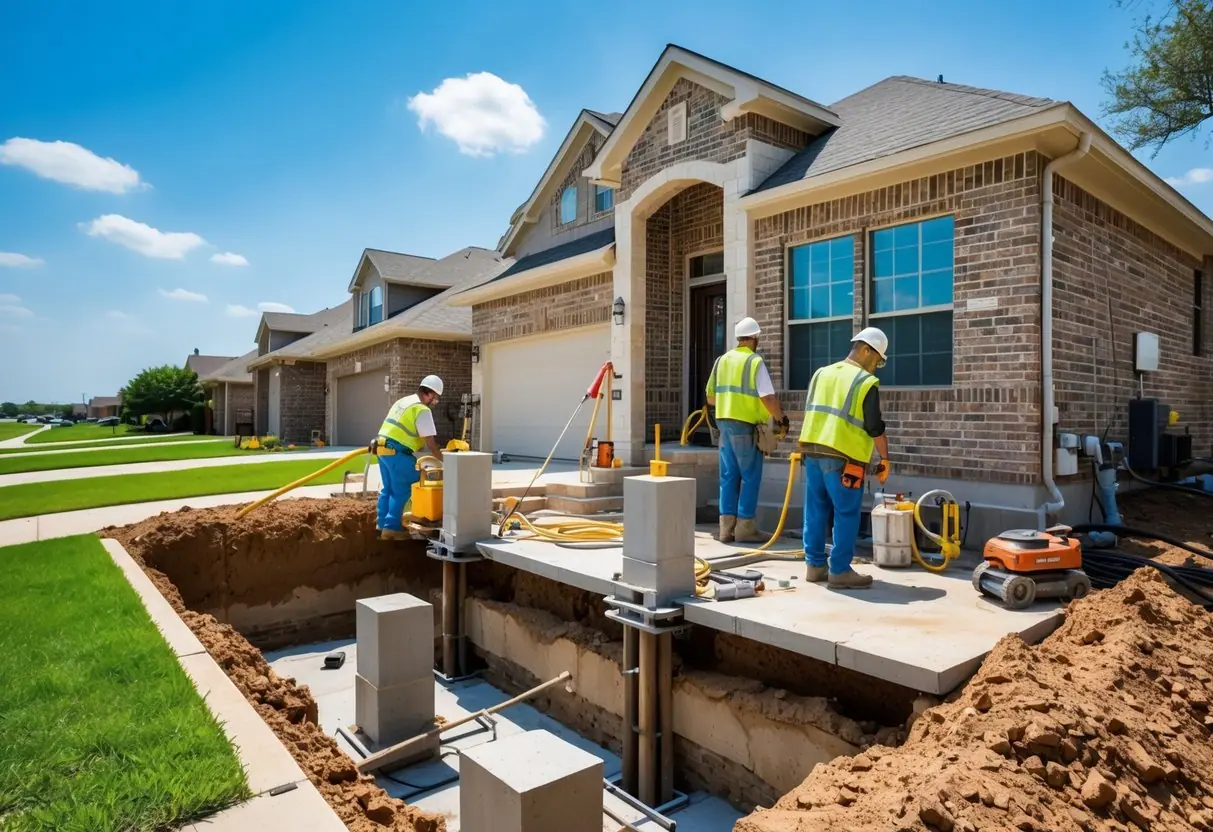
Leander Neighborhoods We Serve
Crystal Falls
One of Leander’s largest master-planned communities, Crystal Falls features homes primarily built between 2003 and 2015 on terraced limestone hillsides. Cut-and-fill grading is common throughout, and consolidation settlement emergencies are increasingly prevalent in the 10–20-year-old home inventory. Drainage between lots is a recurring challenge given the topography.
Bryson
Leander’s newest major development, with construction ongoing since 2018, Bryson homes are built on previously agricultural land with deep clay profiles. Young foundations here are experiencing their first major drought cycles, and post-Uri plumbing failures have triggered numerous slab emergencies in the 78641 zip code.
Historic Downtown Leander
The original Leander townsite contains the oldest residential stock in the city, with pier-and-beam homes dating to the 1940s–1970s. These properties face wood deterioration, failing original concrete piers, and drainage systems that predate modern standards. Emergency pier replacement is the most common repair type in this area.
Trails of Shady Oak and Savannah Oaks
Located near the Balcones Escarpment transition zone, these established neighborhoods built primarily in the 1990s and early 2000s experience pronounced differential movement due to their position straddling two distinct soil profiles. Emergency calls from this area spike sharply following summer drought periods.
Foundation Maintenance Tips for Leander Homeowners
- Maintain consistent soil moisture: During Leander’s intense summer droughts, use a soaker hose system around your foundation perimeter 2–3 times per week to prevent catastrophic clay shrinkage. Keep hoses 12–18 inches from the slab edge.
- Clean gutters twice yearly: Leander’s cedar and oak tree canopy sheds heavily in spring and fall. Clogged gutters overflow against foundations, saturating soils unevenly.
- Maintain positive drainage grades: Soil should slope away from your foundation at a minimum of 6 inches over 10 feet. Leander’s clay soils compact over time and grades flatten—regrade every 3–5 years.
- Monitor for post-storm standing water: After major rain events, check that water does not pool against your foundation for more than 30 minutes. Address drainage failures immediately.
- Inspect crawl spaces annually: For downtown Leander’s pier-and-beam homes, inspect crawl spaces each spring for wood rot, pest damage, and pier movement.
- Address plumbing leaks urgently: Given post-Uri pipe vulnerability throughout Leander, test your slab plumbing annually. A static pressure test costs $150–$300 and can identify slow leaks before they become emergencies.
- Avoid large plantings near the foundation: Live oaks and cedar elms common in Leander landscaping extract enormous soil moisture and should be planted at least 15–20 feet from foundation edges.
Why Choose Round Rock Foundation Repair Group for Emergency Repairs in Leander
Round Rock Foundation Repair Group has built its reputation across Williamson County by combining rapid emergency response with deep knowledge of the specific soil conditions, construction vintages, and regulatory requirements found in Leander and surrounding communities. Our teams work in Crystal Falls, Bryson, the historic downtown, and every neighborhood in between on a regular basis—we understand the Balcones clay, the post-Uri aftermath, and the drainage challenges that make Leander foundation repair a specialized skill.
We bring transparent pricing to every emergency situation. When a homeowner faces a foundation crisis, hidden costs and vague estimates only compound the stress. We provide written, itemized proposals before work begins and documentation packages designed to support insurance claims and future resale disclosures.
Read moreShow less
Our service area encompasses Leander and extends throughout the greater Austin metro including Round Rock, Cedar Park, Georgetown, Pflugerville, and Austin proper. Whatever the hour, whatever the scope, our team is ready to respond. Request your emergency inspection or call (512) 220-3502 now.
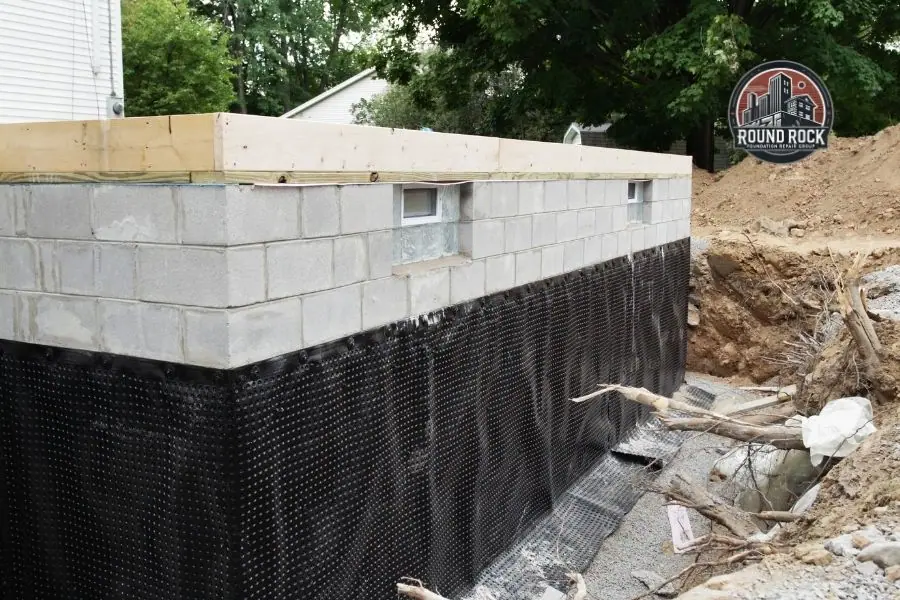
FAQ
Frequently Asked Questions: Emergency Foundation Repair in Leander, TX
How quickly can you respond to a foundation emergency in Leander?
For active structural emergencies where safety is at risk, we target same-day dispatch. For urgent situations where the structure is stable but rapidly deteriorating, we typically schedule assessment within 24 hours. We serve all Leander zip codes including 78641 and 78646.
How much does emergency foundation repair cost in Leander, TX?
Emergency foundation repair in Leander typically ranges from $6,000 for minor pier installations to $35,000 or more for extensive slab restoration. The most common emergency scope—4 to 8 steel push piers—runs $7,000–$14,000 in the current Leander market. We provide written estimates before any work begins. View detailed cost information
Will my homeowner’s insurance cover foundation repair in Leander?
Standard homeowner’s policies generally exclude gradual foundation settlement, but may cover damage caused by sudden events such as plumbing leaks, freeze damage (relevant to many Leander homes after February 2021’s Winter Storm Uri), or storm-related flooding. We provide full photographic and engineering documentation to support insurance claims.
What makes Leander foundations more vulnerable than other areas?
Leander’s combination of Montmorillonite clay soils, the geological transition of the Balcones Escarpment, aggressive drought-flood precipitation cycles, and rapid development on cut-and-fill terrain creates elevated baseline risk. Post-Uri underground pipe damage has added another layer of vulnerability to the local housing stock that continues to generate delayed foundation emergencies.
How long does emergency foundation repair take?
Emergency stabilization can occur the same day. Complete permanent repairs typically take 3–10 working days depending on scope, pier count, permit processing time with the City of Leander, and weather conditions. We provide realistic timelines in writing at the outset of every project.
Do I need a permit for foundation repair in Leander, TX?
Yes. Structural foundation repair in Leander requires a building permit through the City of Leander Development Services Department. Round Rock Foundation Repair Group manages the permit application and inspection coordination on your behalf, keeping the process as smooth and fast as possible.
Can I stay in my home during emergency foundation repairs?
In most cases, yes. Steel pier installation and foam injection are minimally invasive and do not require evacuation. In rare cases where active structural instability poses a safety risk, we will advise temporary relocation and explain our reasoning clearly. We always prioritize your family’s safety in our recommendations.
What neighborhoods in Leander do you serve?
We serve the entire city of Leander including Crystal Falls, Bryson, Mason Hills, Trails of Shady Oak, Savannah Oaks, historic downtown Leander, and all surrounding areas. We also serve Cedar Park, Round Rock, Georgetown, Georgetown, Pflugerville, and the broader Austin metro. View all service areas
Contact Round Rock Foundation Repair Group for Emergency Foundation Repair in Leander, TX
Don’t wait when your foundation is showing signs of failure. In Leander’s demanding soil and climate conditions, early intervention is the difference between a contained repair and a catastrophic structural event. Round Rock Foundation Repair Group is ready to respond to your foundation emergency with speed, expertise, and the transparency you deserve.
Call us now at (512) 220-3502 for immediate emergency response. Our team serves all Leander neighborhoods and surrounding communities throughout Williamson County and the greater Austin area.
Request your emergency foundation inspection online or call (512) 220-3502 — we’re ready to help.
Get in touch
Find foundation repair help near you
Request a free estimate online or give us a call — our team will follow up quickly.
- Call us(512) 220-3502
- Visit1 Chisholm Trail Rd suite 450 room j, Round Rock, TX 78681
- HoursMon-Sat: 7:00 am – 7:00 pm