
Wall cracks are one of the most visible and alarming signs that a home or commercial building may be experiencing foundational distress. In Georgetown, TX, wall cracking is not simply a cosmetic nuisance — it is often a direct symptom of the expansive clay soils, dramatic seasonal moisture swings, and aging infrastructure that define this region of Williamson County. Whether you are seeing hairline fractures above a doorframe or wide diagonal gaps running along a brick exterior, these symptoms demand professional evaluation.
Round Rock Foundation Repair Group serves Georgetown homeowners and business owners with comprehensive wall crack assessment and repair services. Our team understands the local geology, the construction eras common to Georgetown’s neighborhoods, and the specific stress patterns that Central Texas soils place on foundations and the walls above them. If you have noticed new or worsening wall cracks, do not wait — contact us today at (512) 220-3502 for a professional inspection.
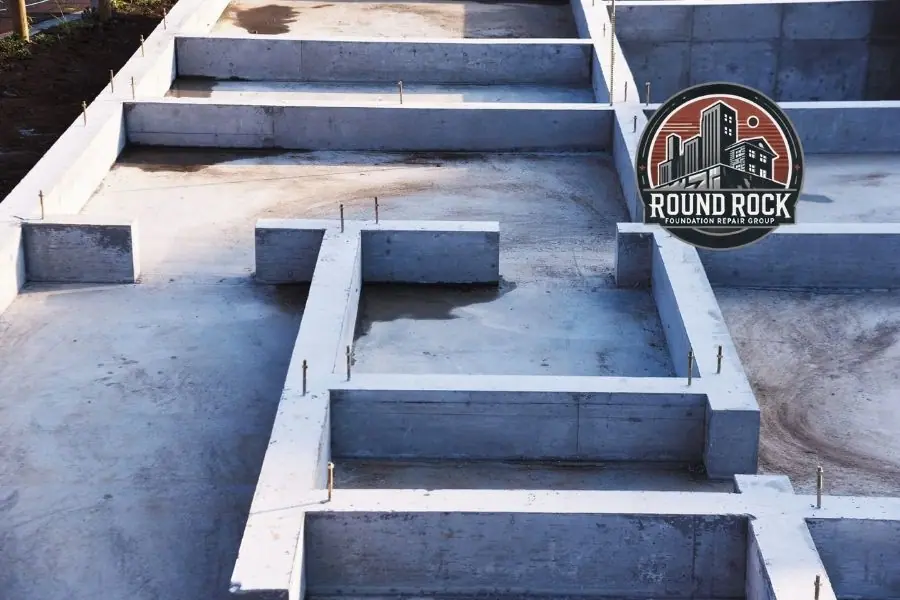
Understanding Wall Cracks in Georgetown, TX
Wall cracks occur when differential movement in a building’s foundation transfers stress upward into the structure above. This movement can be vertical, horizontal, or lateral, and each type of movement produces a distinct cracking pattern. Understanding those patterns is the first step toward an accurate diagnosis and lasting repair.
Historically, wall cracking has been a recognized construction challenge across Central Texas since the earliest permanent settlements in the mid-1800s. Georgetown itself, founded in 1848 as the seat of Williamson County, features a mix of limestone-block historic buildings near the Downtown Square, mid-century ranch-style homes built during the 1950s and 1960s suburban expansions, and the large-scale planned communities constructed from the 1990s onward. Each of these building eras presents unique vulnerability to wall cracking based on the foundation systems and construction materials in use at the time.
Read moreShow less
Older structures near the Georgetown Square often feature pier-and-beam foundations or shallow slab systems that predate modern soil engineering standards. Homes built in the post-war era were frequently constructed on minimally prepared native clay without deep piers, leaving them highly susceptible to seasonal heave and settlement. The newer master-planned subdivisions — such as Teravista and Wolf Ranch — typically use post-tensioned concrete slabs, which reduce but do not eliminate cracking risk, particularly at corners, garage joints, and window openings.
Wall cracks are extremely prevalent in Georgetown. The Texas Real Estate Commission estimates that more than 60% of Texas homes will experience some degree of foundation movement during their lifetime, and Williamson County, including Georgetown, consistently ranks among the most active areas in the state for foundation distress claims. Stucco, drywall, brick veneer, and poured concrete walls all manifest cracking differently, and identifying which material is cracking — and in what direction — is essential to determining whether the cause is structural or purely cosmetic.
Round Rock Foundation Repair Group specializes in diagnosing the root cause of wall cracks across all building types found in Georgetown, from historic downtown commercial buildings to modern residential construction in Teravista and Sun City. Schedule a Foundation Inspection Today
Why Wall Cracks Are a Significant Problem in Georgetown, TX
Georgetown’s Expansive Soil Problem
The Plasticity Index (PI) of Taylor Clay soils in Williamson County frequently measures between 40 and 60 — well above the threshold of 20 at which soil engineers begin to consider a site “high risk” for foundation movement. When the soil expands, it pushes upward against the slab, creating interior drywall cracks near door frames and ceilings. When it contracts during drought, the slab loses support and settles unevenly, producing the classic diagonal stair-step cracks in brick veneer and the wide horizontal cracks that can appear along exterior walls.
Georgetown’s Climate Extremes
Georgetown averages approximately 34 inches of rainfall per year, but this precipitation is highly irregular. The area is prone to extended La Niña-driven droughts — the 2011 drought reduced soil moisture to historic lows across Williamson County, causing widespread foundation settlement and an unprecedented spike in wall crack repair calls across Georgetown, Round Rock, and Cedar Park. Conversely, major rainfall events such as the October 2018 flooding in the San Gabriel River basin saturated soils rapidly, causing upward heaving in neighborhoods built on low-lying clay near Lake Georgetown and the North San Gabriel River corridor.
Neighborhood-Specific Risk Factors
In Sun City Texas, the active adult community built primarily between 1995 and the present on the northwest side of Georgetown, post-tensioned slabs are common but the development’s placement over deep Taylor Clay deposits means that the PT cables do not fully prevent corner cracking and wall separation during drought cycles. Residents in the Sun City area frequently report 1/4-inch to 3/4-inch diagonal drywall cracks at window corners following consecutive dry summers.
In Teravista, a master-planned community straddling the Round Rock and Georgetown boundary along SH-45, the rapid construction pace of the 2000s meant that some lots received inadequate pre-construction soil preparation. Wall cracks in Teravista homes often appear within the first five to ten years of occupancy and tend to concentrate near garage door openings and exterior brick corners — classic indicators of perimeter footing settlement.
In Georgetown’s Historic Downtown District, limestone block and early concrete buildings built between the 1870s and 1930s sit on shallow footings that were designed without any knowledge of modern soil engineering. These structures are highly vulnerable to the cracking that results from root intrusion from large live oak and pecan trees, many of which are over 100 years old and have root systems extending 30 to 50 feet from the trunk.
Georgetown’s rapid population growth — the city was ranked the fastest-growing city in the United States by the U.S. Census Bureau in both 2021 and 2022 — has also increased impervious cover and altered local drainage patterns, changing the moisture distribution in soils beneath established neighborhoods and contributing to new cracking in previously stable structures.
Free, no-obligation estimates
Talk to Round Rock Foundation Repair Group
Tell us what you need and we’ll take it from there.
Signs You Need Wall Crack Repair in Georgetown
Interior Warning Signs
- Diagonal cracks running at 45-degree angles from the corners of door frames or window openings
- Horizontal cracks along drywall joints, especially near ceiling-to-wall junctions
- Cracks wider than 1/4 inch anywhere on an interior wall
- Doors or windows that stick, will not latch, or have visibly shifted out of square
- Cracks that reappear after being patched or painted over
Exterior Warning Signs
- Stair-step cracking in brick mortar joints, particularly along corners
- Horizontal cracks in brick veneer more than 1/8 inch wide
- Separation between brick veneer and the soffit, garage, or adjacent siding
- Vertical cracks in poured concrete exterior walls wider than a credit card
- Bowing or bulging of a wall face, visible when sighted down the wall surface
Urgency Indicators
Cracks wider than 1/2 inch, cracks accompanied by wall leaning or bowing, and any cracking that appears suddenly after a major rain event or extended drought should be treated as urgent. Call Round Rock Foundation Repair Group at (512) 220-3502 immediately if you observe these conditions. Request an Emergency Inspection
Our process
Our Wall Crack Repair Process in Georgetown, TX
Round Rock Foundation Repair Group follows a structured, transparent repair process adapted to the specific soil conditions, building types, and seasonal conditions found in Georgetown and throughout Williamson County.
- 01
Initial Consultation and Site Review (Day 1)
We begin with a phone consultation to understand the symptoms you are experiencing. We review publicly available soil survey data for your specific Georgetown address — including USDA Web Soil Survey data for Williamson County — before arriving on-site, so our
- 02
Comprehensive Foundation and Wall Inspection (Day 1–2)
Our inspector performs a full interior and exterior evaluation, measuring crack widths, lengths, and orientation. We use a digital level to measure floor elevation changes across multiple points, helping us determine the pattern and magnitude of any foundation
- 03
Root Cause Determination (Day 2–3)
We analyze the crack patterns against the soil data, drainage conditions, and construction era of your home. For Georgetown properties, we pay particular attention to proximity to the San Gabriel River, slope position relative to Taylor Clay deposits, and any
- 04
Custom Repair Proposal (Day 3–5)
We provide a written proposal outlining the recommended repair method, the materials to be used, the projected timeline, and the full cost. We explain every line item in plain language and answer all questions before any work begins.
- 05
Foundation Stabilization (If Required) (Week 1–3)
If the wall cracking is driven by active foundation movement, we address the foundation first. This may involve installing steel push piers or helical piers to stabilize and, where possible, lift settled areas of the foundation. Work in Georgetown’s Taylor Cla
- 06
Wall Crack Repair and Restoration (Week 2–4)
Once the foundation is stabilized, we repair the wall cracks using the method appropriate to the material and crack width. Repairs are made to be structurally sound and cosmetically clean.
- 07
Post-Repair Monitoring Guidance
We provide Georgetown homeowners with a soil moisture management plan — including watering schedules calibrated to Williamson County’s seasonal patterns — to minimize future movement and protect the repair investment. Learn About Drainage and Moisture Manageme
Wall Crack Repair Methods We Use in Georgetown
Epoxy Injection
Epoxy injection is used for structural cracks in poured concrete walls and foundation walls where the crack has become stable but structural continuity must be restored. Two-part epoxy is injected under low pressure into the crack, bonding the two faces together with a tensile strength that exceeds the surrounding concrete. This method is commonly applied to Georgetown homes with concrete stem walls and to commercial buildings in the downtown corridor.
Polyurethane Foam Injection
Polyurethane foam is used for cracks in concrete that are actively allowing water infiltration. The foam expands upon contact with moisture, filling the crack completely and forming a waterproof seal. This method is particularly valuable in Georgetown neighborhoods that experience seasonal flooding, such as areas near the North and South San Gabriel Rivers.
Carbon Fiber Strap Reinforcement
For bowing or bulging basement or crawl space walls, carbon fiber straps are bonded to the wall surface at regular intervals to prevent further inward movement. Carbon fiber repair is ideal for Georgetown homes with block or brick crawl space walls that have begun to bow under soil pressure.
Tuckpointing and Mortar Repair
Stair-step cracks in brick veneer that result from minor foundation settlement are addressed through tuckpointing — removing deteriorated mortar and replacing it with color-matched mortar of the appropriate strength rating. This method is frequently used in Sun City and Teravista homes after foundation stabilization is complete.
Drywall Crack Patching and Finishing
Interior drywall cracks are addressed using fiberglass mesh tape and setting-type compound for cracks up to 1/4 inch, and full drywall panel replacement for larger structural separations. All repairs are finished to match surrounding texture and are ready for paint.
Wall Crack Repair Cost in Georgetown, TX
The cost of wall crack repair in Georgetown varies significantly depending on the root cause, the extent of damage, and the repair method required. Below are typical ranges based on our experience serving Williamson County homeowners and businesses.
Georgetown Neighborhoods We Serve
Sun City Texas
Built from 1995 to present on the northwest side of Georgetown, Sun City features over 9,000 homes on post-tensioned slabs over deep Taylor Clay. The community’s age and soil conditions make it one of the highest-demand areas in Georgetown for wall crack evaluation. Corner drywall cracking and brick veneer separation are the most common complaints.
Teravista
This master-planned community along SH-45 includes homes built between 2000 and 2020 on varying soil conditions. Homes on the eastern side of Teravista closer to the Georgetown boundary sit on some of the deepest clay deposits in the area, while western sections have better-draining soils. Wall cracking patterns differ noticeably between these two zones.
Georgetown Historic Downtown and Old Town
Commercial and residential structures built between the 1870s and 1940s on shallow limestone footings. Tree root intrusion, aging mortar, and lack of modern drainage infrastructure make these some of the most complex wall crack repair projects we handle.
Wolf Ranch
A newer community on Georgetown’s southwest side near Wolf Ranch Town Center, featuring homes built from 2015 onward. Despite newer construction, residents report wall cracks emerging within three to seven years due to the site’s clay-heavy soils and the rapid construction pace during Georgetown’s growth boom. Home Foundation Repair Services
Maintenance Tips to Prevent Wall Cracks in Georgetown
- Maintain consistent soil moisture year-round. Use a soaker hose system placed 18 inches from your foundation perimeter and run it during Georgetown’s dry periods — typically June through September — to prevent soil shrinkage and foundation settlement.
- Clean and maintain gutters twice per year. Georgetown’s live oak trees drop pollen and leaves in spring and fall that clog gutters, causing roof runoff to saturate soil against the foundation and trigger heaving.
- Grade soil away from the foundation. Maintain a minimum 6-inch drop over the first 10 feet from your foundation perimeter to direct rainfall away from the slab edge.
- Extend downspouts at least 6 feet from the foundation. Concentrated roof runoff is one of the leading causes of localized soil saturation and differential foundation movement in Georgetown.
- Monitor large trees near the structure. Remove or root-barrier any tree within 20 feet of the foundation, particularly live oaks and cedar elms, which are extremely common in Georgetown and have aggressive, moisture-seeking root systems.
- Inspect caulking and expansion joints annually. Particularly in Sun City and Teravista brick-veneer homes, the expansion joints around windows and garage doors should be re-caulked every two to three years to prevent moisture intrusion.
- Schedule a professional inspection after any significant weather event. After major flooding events or following a second consecutive dry summer, have a foundation professional evaluate your Georgetown home for new movement. Schedule Your Annual Foundation Inspection
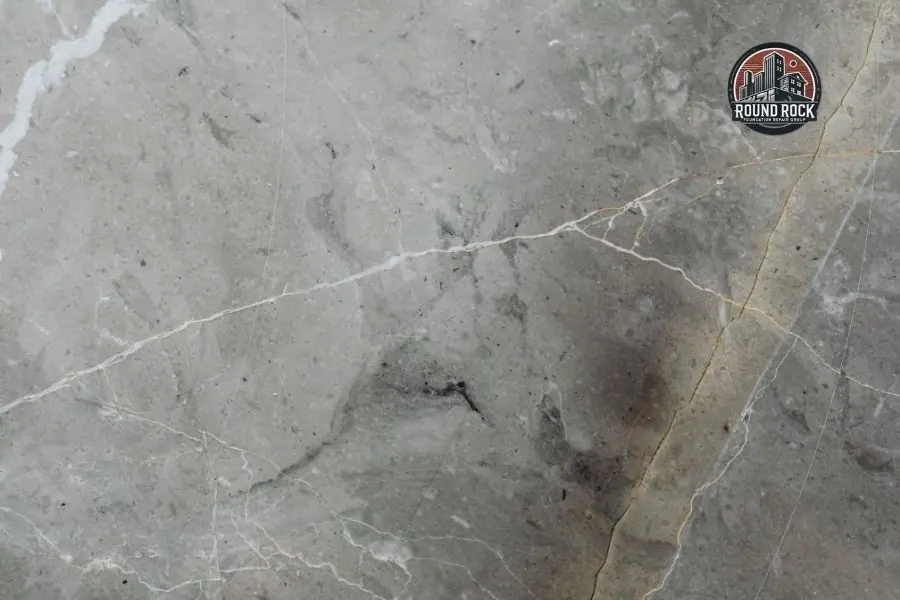
Why Choose Round Rock Foundation Repair Group for Wall Cracks in Georgetown
Round Rock Foundation Repair Group has earned a strong reputation across Williamson County by delivering honest assessments, high-quality repairs, and transparent communication on every project. We are not a national franchise — we are a locally operated company with deep familiarity with Georgetown’s soils, neighborhoods, and construction history.
Our team has evaluated and repaired wall cracks in every type of structure found in Georgetown, from the historic limestone commercial buildings on the Downtown Square to the newest slab-on-grade homes in Wolf Ranch and Parkside on the River. We understand that no two Georgetown properties are alike, and we tailor every repair plan to the specific conditions at your address.
Read moreShow less
We offer comprehensive foundation inspections, structural foundation repair, concrete foundation repair, crawl space repair, and commercial foundation repair throughout Georgetown and the surrounding communities. Call us at (512) 220-3502 or request a free estimate online. We serve all of Georgetown, including Sun City, Teravista, Wolf Ranch, Berry Creek, and the Historic Downtown District.
FAQ
Frequently Asked Questions: Wall Cracks in Georgetown, TX
How much does wall crack repair cost in Georgetown, TX?
Costs range from as little as $150 for simple cosmetic drywall patching to $20,000 or more for projects that require foundation stabilization before wall repairs can be completed. The most common wall crack repair projects in Georgetown — those involving pier installation plus wall patching — typically fall between $7,000 and $15,000. We provide free written estimates before any work begins.
Are wall cracks in Georgetown homes always a foundation problem?
No. Some wall cracks are caused by normal seasonal wood movement, settling of building materials, or poor initial construction quality rather than foundation movement. However, in Georgetown’s Taylor Clay environment, a significant percentage of wall cracks — particularly diagonal and stair-step cracks — do indicate active or historical foundation movement. Professional evaluation is the only reliable way to determine the cause.
How long does wall crack repair take in Georgetown?
Purely cosmetic repairs can often be completed in one day. Projects that require foundation stabilization before wall repair typically take one to three weeks from project start to completion, depending on crew scheduling, pier depth requirements, and the extent of wall damage. We will provide a specific timeline in your written proposal.
Is wall cracking covered by homeowners insurance in Georgetown?
Standard homeowners insurance policies in Texas typically do not cover foundation movement or the resulting wall cracks unless the damage is caused by a sudden, accidental event — such as a burst pipe. Gradual settlement from expansive soils, which is the most common cause in Georgetown, is generally excluded. We recommend reviewing your specific policy and can provide documentation to support any insurance claim you wish to pursue.
Why do cracks keep coming back after I patch them myself?
If you patch a wall crack with spackling or joint compound but do not address the underlying foundation movement, the crack will reopen — often within one to three seasonal cycles. Georgetown’s Taylor Clay soils continue to move with moisture changes, reopening repaired cracks repeatedly until the foundation is stabilized. A professional repair addresses the root cause, not just the surface symptom.
I live in Sun City Georgetown. Are wall cracks common there?
Yes. Sun City is one of the most active areas for wall crack reports in Georgetown due to its location on deep Taylor Clay deposits. Post-tensioned slabs reduce overall movement but do not eliminate it, and the community’s large number of single-story homes means that foundation stress concentrates in exterior brick corners and door frames — areas where cracking is highly visible. We have extensive experience with Sun City’s specific construction characteristics.
How do I know if a crack is structural or cosmetic?
As a general guideline: hairline cracks under 1/16 inch in drywall with no associated door or window sticking are likely cosmetic. Cracks wider than 1/4 inch, cracks that are wider at one end than the other, cracks accompanied by wall displacement or leaning, and any crack in a brick or concrete exterior wall should be evaluated by a professional. When in doubt, call us at (512) 220-3502 — we offer free consultations.
Do you serve areas outside Georgetown?
Yes. Round Rock Foundation Repair Group serves Georgetown, Round Rock, Cedar Park, Austin, Pflugerville, Brushy Creek, and all surrounding communities in Williamson and Travis County. View Our Full Service Area
Contact Round Rock Foundation Repair Group Today
Wall cracks in Georgetown homes and businesses are a serious warning sign that deserves professional attention — not a DIY patch job. The expansive Taylor Clay soils beneath Georgetown’s neighborhoods mean that untreated foundation movement will continue to worsen, causing greater structural damage and higher repair costs over time.
Round Rock Foundation Repair Group is ready to help. Call us at (512) 220-3502 to schedule your inspection or to speak with one of our Georgetown foundation specialists. You can also submit a request online and we will respond within one business day. Do not let wall cracks go unaddressed — contact us today and get expert answers from a team that knows Georgetown’s soils, neighborhoods, and foundations inside and out.
Get in touch
Find foundation repair help near you
Request a free estimate online or give us a call — our team will follow up quickly.
- Call us(512) 220-3502
- Visit1 Chisholm Trail Rd suite 450 room j, Round Rock, TX 78681
- HoursMon-Sat: 7:00 am – 7:00 pm