
Understanding the foundation inspection cost in Leander, TX is the first step toward protecting one of your most valuable investments. A foundation inspection is a professional evaluation of your home or commercial building’s structural base, identifying cracks, settling, shifting, or moisture-related damage before it escalates into costly repairs. In Leander, where expansive clay soils and rapid population growth have created unique structural challenges, getting an accurate inspection quote is more important than ever.
Round Rock Foundation Repair Group brings deep regional expertise to every inspection we conduct across Leander and the greater Williamson County area. Our certified inspectors understand the specific soil profiles, weather patterns, and construction eras that define local foundations. Whether you own a newer build in Crystal Falls or an older home near the historic Leander depot district, we provide honest, detailed assessments with transparent pricing — so you always know exactly what you’re paying for and why.
Understanding Foundation Inspection Costs in Leander, TX
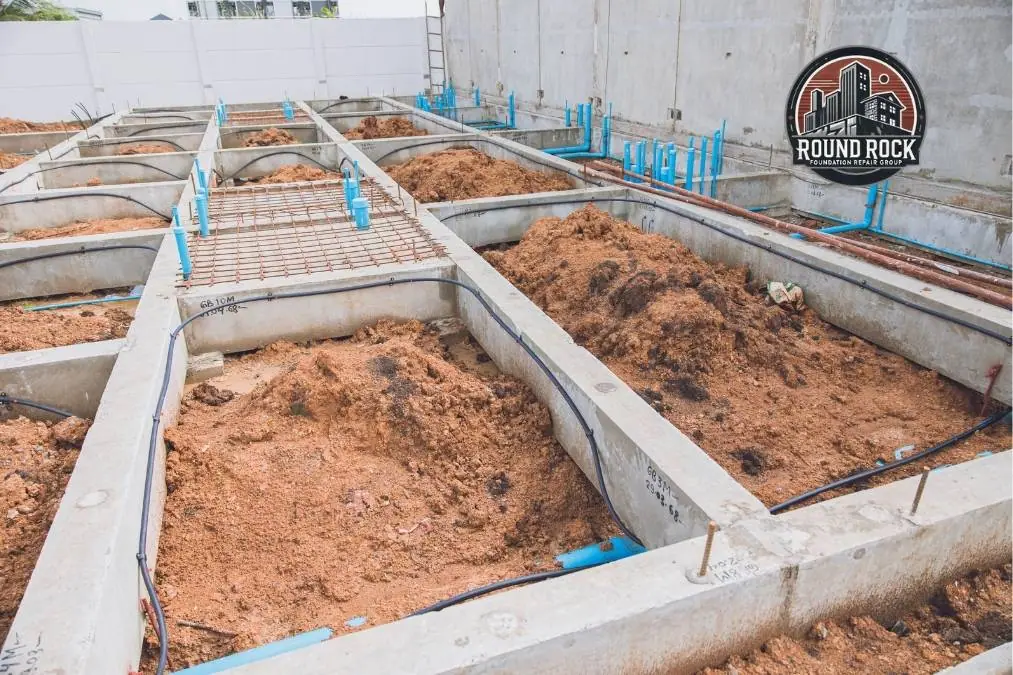
A foundation inspection is a systematic, professional examination of the structural elements that support a building — including the footing, stem walls, slab, piers, and surrounding soil conditions. The cost of this inspection varies based on the complexity of the evaluation, the size of the structure, and the methods used by the inspector. In Leander, TX, homeowners and commercial property owners frequently seek inspections before buying, selling, or after noticing warning signs like sticking doors or visible cracks.
Historically, foundation inspection practices evolved significantly in Central Texas during the 1980s and 1990s as rapid suburban expansion pushed development onto geologically challenging land. Leander itself was incorporated in 1978 and experienced its most explosive growth in the 2000s and 2010s as the MetroRail commuter line opened in 2008, making it attractive to Austin-area commuters. Thousands of homes were built quickly during this period, many on land with minimal soil preparation, leaving today’s homeowners with foundations that frequently require professional attention.
Read moreShow less
A standard residential foundation inspection in Leander typically includes a visual examination of all accessible foundation areas, elevation readings using a Zip-Level Pro 2000 or similar digital manometer, a drainage and grading assessment, and a written report with findings and recommendations. Some inspectors also include pier count estimates, plumbing leak testing, or infrared scanning as add-on services.
Commercial properties — particularly those along Highway 183, Ronald Reagan Boulevard, and the growing Toll 183A corridor in Leander — require more comprehensive inspections due to larger footprints, heavier load-bearing requirements, and multi-tenant liability. Commercial foundation inspections involve structural engineers rather than home inspectors alone, which affects pricing accordingly.
Understanding what drives inspection costs helps Leander homeowners budget appropriately and avoid being overcharged or under-served. Inspections are not a commodity — the depth of analysis, the credentials of the inspector, and the specificity of the local knowledge all matter significantly in this region.
Why Foundation Inspections Are Essential in Leander, TX
Leander sits atop some of the most geologically demanding terrain in Central Texas. The region is underlain primarily by Austin Chalk and Taylor Marl formations, with extensive deposits of highly expansive Blackland Prairie clay soils — particularly in lower-lying areas near Lake Travis tributaries and the South Fork of the San Gabriel River. These clays, classified as Vertisols by the USDA, can expand up to 30% in volume when saturated and contract by nearly the same margin during drought conditions, exerting enormous upward and lateral pressure on foundations.
The Texas drought of 2011 — one of the most severe in recorded state history — caused widespread foundation movement across Williamson County. Leander neighborhoods including Crystal Falls, Travisso, and Mason Hills reported significant increases in foundation-related service calls in the 12 to 24 months following that drought as soils contracted dramatically and then rebounded unevenly during subsequent rainy seasons. Many homeowners in these communities discovered settlement of 2 to 4 inches in exterior slab corners, a direct consequence of that soil volatility.
Read moreShow less
Leander’s rainfall patterns add another layer of complexity. The area receives an average of 32 to 34 inches of rainfall annually, but that precipitation is highly irregular — concentrated in spring (April–May) and fall (October–November) while summers are intensely dry. This feast-or-famine moisture cycle means foundations experience repeated expansion and contraction stress, accelerating structural fatigue faster than in regions with consistent rainfall distribution.
New construction in Leander’s fastest-growing corridors, including the Bryson master-planned community off Ronald Reagan Boulevard and the newer sections of Devine Lake, often sits on fill soil or previously undeveloped caliche-heavy ground. These conditions require post-tension or pier-and-beam foundations to handle differential settlement — and they make regular inspection critical to catch early movement before it compounds.
The Cedar Park-Leander area also experienced a population surge of over 40% between 2010 and 2020, according to U.S. Census data. This growth accelerated land development on marginal lots that would previously have been avoided. Many post-2015 construction homes in Leander have thinner slab designs or reduced pier spacing that can show distress within just 5 to 10 years — well within the ownership window of current homeowners.
Tree root intrusion is also a notable factor in older Leander neighborhoods near the downtown corridor and Bagdad Road, where large live oaks and cedar elms draw moisture from beneath foundations. Root systems from mature trees can extend 2 to 3 times the canopy width, destabilizing soil moisture and contributing to uneven settlement that a professional inspection will identify and quantify.

Free, no-obligation estimates
Talk to Round Rock Foundation Repair Group
Tell us what you need and we’ll take it from there.
Signs You Need a Foundation Inspection in Leander
Interior Warning Signs
- Doors and windows that stick, jam, or no longer latch properly — especially during Leander’s dry summer months when soil contraction peaks
- Diagonal cracks at door or window corners, typically running at 45-degree angles
- Cracks in drywall, particularly in corners of rooms or along ceiling-wall junctions
- Gaps between interior walls and ceilings or floors
- Sloping or bouncy floors, especially in older pier-and-beam homes near downtown Leander
Exterior Warning Signs
- Stair-step cracks in brick mortar along exterior walls
- Horizontal cracks in block or concrete foundation walls
- Visible gaps between the foundation and the base of the wall
- Chimney leaning or separating from the main structure
- Standing water pooling within 5 feet of the foundation after heavy rains
Urgency Indicators
- Cracks wider than 1/4 inch require immediate professional evaluation
- Any sudden appearance of multiple new cracks following a drought or heavy rain event
- Visible slab displacement or heaving in garage floors or covered patios
If you’ve noticed any of these signs at your Leander property, contact Round Rock Foundation Repair Group at (512) 220-3502 for a professional assessment. Schedule a Foundation Inspection
Our process
Our Foundation Inspection Process in Leander, TX
- 01
Initial Phone Consultation (15–30 Minutes)
We begin with a detailed phone consultation where we gather information about your property type, age, construction style, and the specific concerns you’ve observed. For Leander properties, we ask about proximity to drainage channels, tree coverage, and whethe
- 02
On-Site Visual Inspection (45–90 Minutes)
Our inspector performs a comprehensive walk-through of all accessible interior and exterior areas, documenting cracks, displacement, moisture intrusion points, and drainage issues. We photograph every finding with GPS-tagged images for your written report.
- 03
Elevation Survey (30–60 Minutes)
Using a digital manometer, we take elevation readings at standardized grid points across the slab or pier system. In Leander, we typically take readings every 6 to 8 feet across the perimeter and interior, noting differential elevation — any variation greater
- 04
Drainage and Soil Assessment (20–30 Minutes)
We evaluate grading slopes, downspout discharge locations, and any signs of soil erosion or saturation. Given Leander’s clay-heavy soil profile, this step is especially critical — improper drainage is the single most common accelerant of foundation movement in
- 05
Plumbing Leak Screen (Optional, 30–45 Minutes)
Post-tension slabs common in Leander’s 2000s-era construction can be particularly vulnerable to under-slab plumbing leaks. We offer a hydrostatic pressure test as an optional add-on to rule out or confirm moisture intrusion from plumbing failures.
- 06
Written Report Delivery (Within 24–48 Hours)
You receive a detailed written report with photographs, elevation readings, findings summary, severity assessment, and recommended next steps — including repair method options and estimated cost ranges where applicable.
- 07
Follow-Up Consultation
We schedule a brief phone or in-person follow-up to walk you through the report, answer questions, and discuss repair timelines and financing options if needed.
Foundation Inspection Methods and Approaches We Use
Digital Elevation Mapping
Our primary tool for quantifying foundation movement is precision digital elevation mapping using a Zip-Level Pro manometer. This method provides accurate readings to within 1/100th of an inch and allows us to create a topographic profile of your slab. It’s especially effective for detecting differential settlement in Leander’s expansive clay soils where movement patterns are rarely uniform.
Visual Crack Analysis and Documentation
We classify cracks by type (horizontal, vertical, diagonal, stair-step), width, and location to determine their structural significance. In Leander brick-veneer homes — common in Crystal Falls and Travisso — stair-step mortar cracks are a primary indicator of foundation rotation or corner lift.
Drainage and Grading Evaluation
Using a hand level and slope meter, we verify that lot grading slopes away from the foundation at the recommended minimum of 6 inches over the first 10 feet. This is frequently inadequate in Leander subdivisions where lots have been graded for aesthetics rather than hydrology.
Hydrostatic Plumbing Testing
This optional method pressurizes the drain system to detect leaks beneath the slab. It’s particularly relevant for Leander homes built between 2000 and 2015 using PVC waste lines embedded in the slab, which are prone to joint separation due to soil movement.
Structural Engineering Referral
For commercial properties along the Leander Road and 183A corridors, or for residential cases with severe movement, we coordinate with licensed structural engineers who provide stamped engineering reports — required by many lenders and insurance carriers for repair authorization. Learn About Commercial Foundation Repair
Foundation Inspection Cost in Leander, TX: What to Expect
The cost of a foundation inspection in Leander, TX typically ranges from $300 to $750 for a standard single-family residential property. Here’s how pricing breaks down by service type and property size:
- Basic visual inspection only: $300–$400 for homes under 2,000 sq ft
- Full inspection with elevation survey and written report: $450–$650 for homes between 2,000–4,000 sq ft
- Inspection with optional hydrostatic plumbing test: Add $150–$250 to base inspection cost
- Structural engineering report (stamped): $500–$1,200 depending on complexity
- Commercial foundation inspection: $800–$2,500+ based on square footage and scope
Several factors influence where your inspection falls within these ranges. Homes in Leander’s hill country transition areas, such as those near Lago Vista Road or in the Sarita Valley corridor, often require additional time due to terrain access challenges. Properties with extensive tree coverage — particularly in older neighborhoods near Veterans Hill Elementary — may need expanded exterior inspection time. Post-tension slabs, which are prevalent in Leander builds from the early 2000s, require more nuanced analysis than standard reinforced slabs.
Read moreShow less
It’s worth noting that many foundation repair companies in the Leander area offer free inspections as a sales tool. While convenient, these free assessments often lack the independence and detail of a paid professional inspection. A fee-based inspection from Round Rock Foundation Repair Group gives you an unbiased report you can take to any contractor. Call (512) 220-3502 for a precise quote. View Our Full Inspection Services
Leander Neighborhoods We Serve
Crystal Falls
One of Leander’s largest and most established master-planned communities, Crystal Falls features homes built primarily between 2000 and 2015. The neighborhood’s elevation changes create varied drainage patterns, and its clay-heavy soil has led to widespread foundation settlement reports — particularly in sections closest to the Crystal Falls Parkway drainage channels.
Travisso
A newer luxury development perched on the Leander ridgeline above Lake Travis tributaries, Travisso homes sit on shallow soil over Austin Chalk bedrock. Differential settlement between chalk and clay transition zones is a specific challenge here, requiring inspectors with knowledge of this geological boundary.
Mason Hills
Located near the Leander-Cedar Park border on Ronald Reagan Boulevard, Mason Hills features mid-2000s construction on moderately expansive soils. Slab edge cracking and interior door misalignment are frequently reported concerns in this community.
Downtown Leander / Bagdad Road Corridor
Older homes in this area, some dating to the 1950s and 1960s, are predominantly pier-and-beam construction. These foundations face different challenges — wood rot, termite damage, and moisture intrusion in crawl spaces — requiring a specialized inspection approach distinct from modern slab foundations. Crawl Space Repair Services
Foundation Maintenance Tips for Leander Homeowners
- Maintain consistent soil moisture: During Leander’s dry summers (June–September), use a soaker hose system placed 18 inches from the foundation perimeter to prevent extreme soil contraction beneath the slab.
- Ensure proper drainage grading: Maintain a minimum 6-inch drop over the first 10 feet away from your foundation. Re-grade areas that have settled or compacted over time.
- Extend downspouts: Discharge gutters at least 5 feet from the foundation. Many Leander homes have short splash blocks that deposit water directly against the slab.
- Monitor large trees: Live oaks and cedar elms near your foundation — common in Leander — should be monitored for root intrusion. Maintain a minimum 10-foot planting distance for new trees.
- Inspect crawl spaces annually: For older pier-and-beam homes near downtown Leander, check crawl spaces every spring for moisture, wood rot, or pest damage.
- Seal interior and exterior cracks promptly: Use polyurethane caulk to seal hairline cracks before moisture infiltrates and accelerates damage.
- Schedule professional inspections every 3–5 years: Given Leander’s soil volatility, regular professional checkups catch early movement before it becomes expensive structural repair.
Why Choose Round Rock Foundation Repair Group in Leander
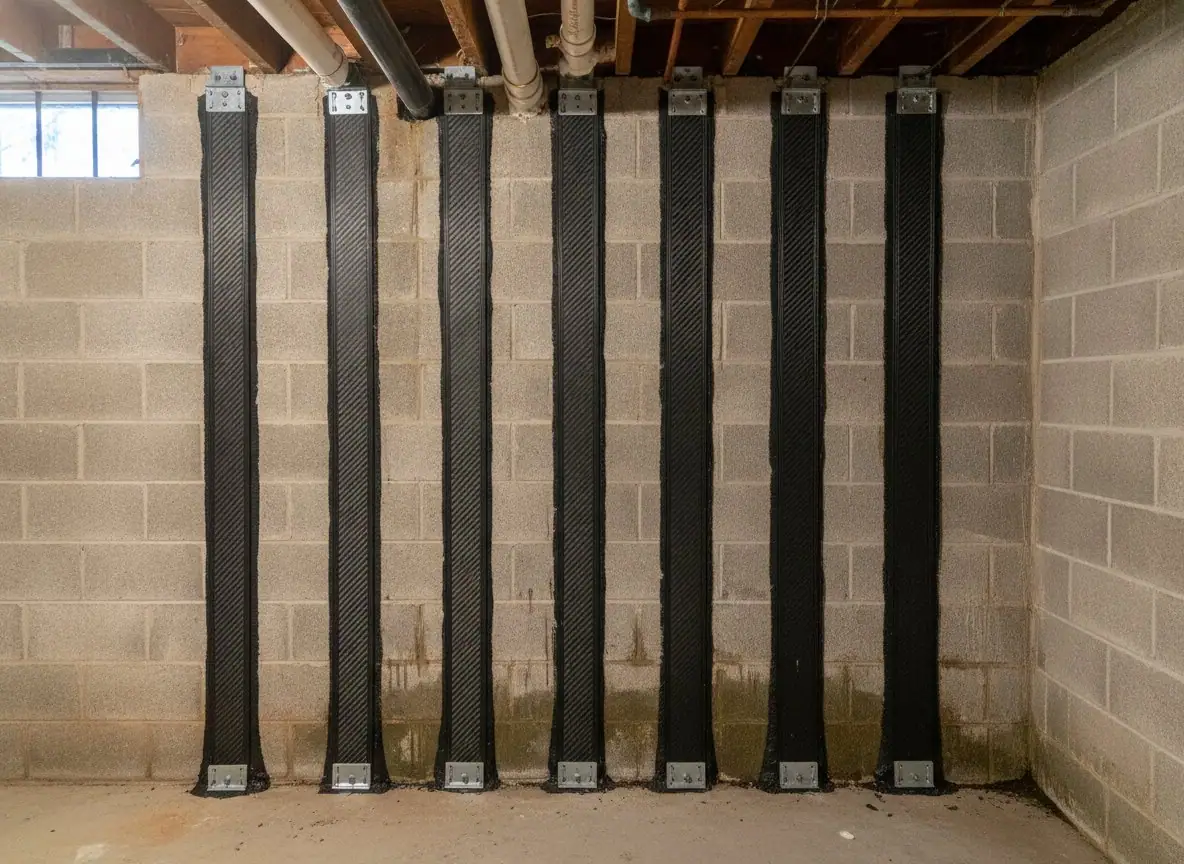
Round Rock Foundation Repair Group has built its reputation across Williamson County by combining technical precision with honest, straightforward communication. We understand the specific geology of Leander — from the Taylor Marl clay soils in lower subdivisions to the Austin Chalk transitions near Travisso and Lago Vista Road — because we’ve inspected and repaired foundations across every corner of this region.
Our inspectors are trained on the full spectrum of foundation types present in Leander: post-tension slabs, conventionally reinforced slabs, pier-and-beam systems, and commercial grade mat foundations. This breadth of knowledge means we don’t apply a one-size-fits-all approach — every inspection is tailored to your specific property’s construction type, age, and location.
Read moreShow less
We serve homeowners, real estate agents, property managers, and commercial clients across Leander and surrounding communities including Cedar Park, Georgetown, Round Rock, and Austin. Our written inspection reports are detailed, photographic, and written in plain language — not technical jargon designed to confuse or upsell.
Ready to get started? Call us at (512) 220-3502 or contact us online to schedule your foundation inspection in Leander today.
FAQ
Frequently Asked Questions: Foundation Inspection Cost in Leander, TX
How much does a foundation inspection cost in Leander, TX?
A professional foundation inspection in Leander typically costs between $300 and $750 for residential properties, depending on home size, inspection scope, and whether add-on services like hydrostatic plumbing testing are included. Commercial inspections range from $800 to $2,500 or more.
Are free foundation inspections worth it in Leander?
Free inspections offered by some companies in the Leander area are often sales-driven and may lack the objectivity of a paid assessment. A fee-based inspection gives you an independent, detailed report that you can use with any contractor and is not influenced by the inspector’s interest in selling repair services.
How long does a foundation inspection take?
Most residential inspections in Leander take between 1.5 and 3 hours on-site, depending on property size and access. Written reports are typically delivered within 24 to 48 hours after the visit.
Why are foundations in Leander more prone to problems than other areas?
Leander sits on highly expansive Blackland Prairie clay soils that can shrink and swell by up to 30% based on moisture content. Combined with Leander’s irregular rainfall patterns, intense summer droughts, and rapid construction on fill soils in newer subdivisions, these factors make foundation movement significantly more common here than in areas with more stable soil profiles.
What neighborhoods in Leander have the most foundation issues?
Communities built in the early-to-mid 2000s on expansive clay soils — including Crystal Falls, Mason Hills, and sections of Bryson — report higher rates of foundation movement. Older homes near the downtown Leander and Bagdad Road corridor face different but equally significant pier-and-beam challenges.
Do I need a foundation inspection before buying a home in Leander?
Absolutely. Given the prevalence of clay soils and the rapid pace of construction during Leander’s growth boom, a dedicated foundation inspection — separate from a general home inspection — is strongly recommended for any Leander home purchase. General home inspectors typically spend only 15–20 minutes on foundation assessment; our specialized inspections provide far greater depth.
What is included in the written foundation inspection report?
Our reports include GPS-tagged photographs, elevation survey readings at all measurement points, crack documentation and classification, drainage assessment findings, soil condition observations, severity assessment, and recommended repair options with estimated cost ranges where applicable.
Can a foundation inspection help with my homeowner’s insurance claim?
Yes. A professional written report from a qualified inspector can serve as supporting documentation for insurance claims related to foundation damage. However, most standard Texas homeowner’s policies exclude gradual settlement — your inspector can help identify whether sudden events (such as plumbing leaks) may create a coverable claim scenario.
Schedule Your Foundation Inspection in Leander, TX Today
Don’t wait until small cracks become costly structural failures. The unique soils, climate, and construction history of Leander make proactive foundation monitoring one of the smartest investments a property owner can make. Round Rock Foundation Repair Group provides honest, detailed, and affordable foundation inspections across Leander and all surrounding communities.
Call us now at (512) 220-3502 to speak directly with one of our Leander foundation specialists. We’ll answer your questions, provide a transparent inspection quote, and schedule a time that works for you — often within the same week.
Request a Free Phone Consultation | Learn More About Our Inspection Services | View Foundation Repair Options
Serving Leander, Cedar Park, Round Rock, Georgetown, Austin, Pflugerville, and all surrounding Williamson County communities.
Get in touch
Find foundation repair help near you
Request a free estimate online or give us a call — our team will follow up quickly.
- Call us(512) 220-3502
- Visit1 Chisholm Trail Rd suite 450 room j, Round Rock, TX 78681
- HoursMon-Sat: 7:00 am – 7:00 pm