
Foundation waterproofing is the process of applying protective systems, barriers, and drainage solutions to prevent water intrusion from damaging your home’s structural base. In Leander, TX — one of the fastest-growing cities in the United States — foundation waterproofing is not a luxury; it is a critical investment driven by the region’s expansive clay soils, flash-flood-prone creek systems, and dramatic seasonal rainfall swings.
At Round Rock Foundation Repair Group, we specialize in diagnosing, designing, and implementing foundation waterproofing solutions tailored specifically to Central Texas conditions. Leander homeowners face unique challenges that generic waterproofing contractors simply aren’t equipped to handle — from the notorious Austin Black Clay (Houston Black Clay series) beneath subdivisions like Crystal Falls and Bryson to the karst limestone geology found near Leander’s northwestern corridors along US-183.
Read moreShow less
Understanding what foundation waterproofing costs in Leander, TX helps you plan, budget, and make confident decisions before minor moisture issues escalate into five-figure structural repairs. Call us today at (512) 220-3502 for a thorough foundation inspection.
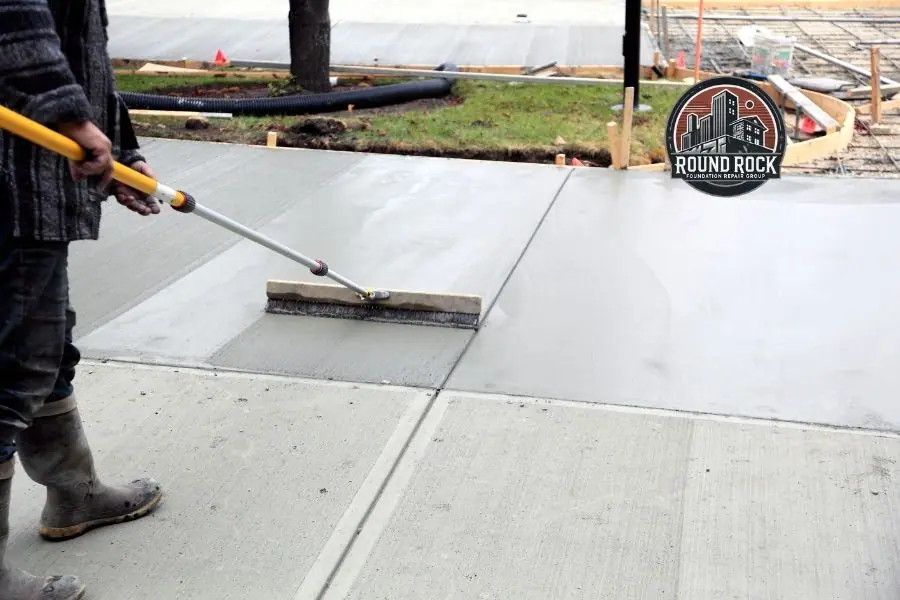
Foundation waterproofing encompasses a broad range of systems designed to manage, redirect, and exclude water from the soil-foundation interface and below-grade living spaces. It includes exterior drainage membranes, interior French drain systems, sump pump installations, vapor barriers in crawl spaces, crack injection, and surface grading corrections.
Historically, Leander’s rapid residential expansion — the city grew from roughly 7,600 residents in 2000 to over 70,000 by the early 2020s — means thousands of homes were built quickly on land that had not been fully studied for hydrological behavior. Tract developments like Bryson, Grand Mesa at Crystal Falls, and Savannah Ranch were largely constructed between 2005 and 2020 on terrain that includes both shallow Lewisville limestone and deep, moisture-reactive Vertisol clay soils. Builders during boom periods often installed minimal waterproofing — tar-coated foundation walls and basic weep screeds — that is simply inadequate for Leander’s weather patterns.
Read moreShow less
In Central Texas, the building stock consists primarily of slab-on-grade foundations, which represent approximately 85–90% of residential construction in Williamson County. Unlike basements common in northern states, slab foundations experience waterproofing challenges differently: water typically migrates laterally beneath the slab or enters through post-tension cable penetrations and plumbing sleeve gaps rather than through basement walls. A smaller but significant portion of older Leander homes — particularly those built before 1990 along Hero Way and the original FM 2243 corridor — feature pier-and-beam construction, where crawl space moisture and vapor intrusion are the primary concerns.
Commercial properties along US-183, the East Whitestone Boulevard business district, and near the Leander MetroRail station increasingly require waterproofing solutions as ground-floor retail and mixed-use developments contend with stormwater runoff from expanded impervious cover in the surrounding watershed. Understanding these building types and their specific vulnerabilities is essential to accurately estimating waterproofing costs and selecting the right method.
Why Foundation Waterproofing Is Needed in Leander, TX
Expansive Clay Soils: The Hidden Driver of Water Damage
The single greatest contributor to foundation water problems in Leander is the prevalence of Houston Black Clay and Austin Black Clay — collectively classified as Vertisols — that dominate much of Williamson County’s soil profile. These soils expand up to 40% in volume when saturated and contract dramatically during dry periods, creating a seasonal “shrink-swell” cycle that opens gaps around foundation perimeters. When Leander receives heavy rainfall, those gaps channel water directly beneath slabs and into crawl spaces before drainage systems can respond.
Flash Flooding and Named Storm Events
Leander sits within the Brushy Creek watershed, a system that has produced repeated catastrophic flash flooding events. The October 2018 Brushy Creek flood event sent water surging into neighborhoods like Block House Creek and Lakeline Ranch, with creek levels rising over 12 feet in under two hours. The Memorial Day 2015 floods — part of the larger Texas “Rain Bomb” event — deposited 6–10 inches of rainfall across Williamson County in a single evening, overwhelming subdivision drainage systems and saturating foundations across Leander, Cedar Park, and Round Rock simultaneously. Homes without proper exterior waterproofing membranes experienced immediate hydrostatic pressure buildup against foundation walls and slab edges.
Seasonal Rainfall Extremes
Leander’s average annual rainfall is approximately 34 inches, but that figure masks extreme variability. The region routinely experiences “feast or famine” weather: prolonged droughts followed by concentrated rainfall events. In 2022, Leander and Williamson County recorded one of the driest summers on record, followed by above-average October and November precipitation. This wet-dry cycling is particularly destructive because dried, contracted clay soils absorb water rapidly when rain returns, generating hydrostatic pressure spikes of 100–300 pounds per square foot against unprotected foundation surfaces.
Neighborhood-Specific Risk Factors
Crystal Falls, situated along the elevated terrain west of US-183, experiences surface runoff from natural limestone shelves that directs water toward lower-lying home sites. Bryson, one of Leander’s newest master-planned communities, was developed on previously agricultural land with dense clay layers that were compacted during construction, reducing natural permeability. Savannah Ranch and Block House Creek subdivisions, positioned near seasonal creek tributaries, face elevated groundwater tables during wet seasons. Travisso, the upscale neighborhood straddling the Leander-Cedar Park border, features homes built on cut-and-fill pads over clay — a combination that creates differential moisture conditions demanding comprehensive waterproofing systems.
Free, no-obligation estimates
Talk to Round Rock Foundation Repair Group
Tell us what you need and we’ll take it from there.
Signs You Need Foundation Waterproofing in Leander
Interior Warning Signs
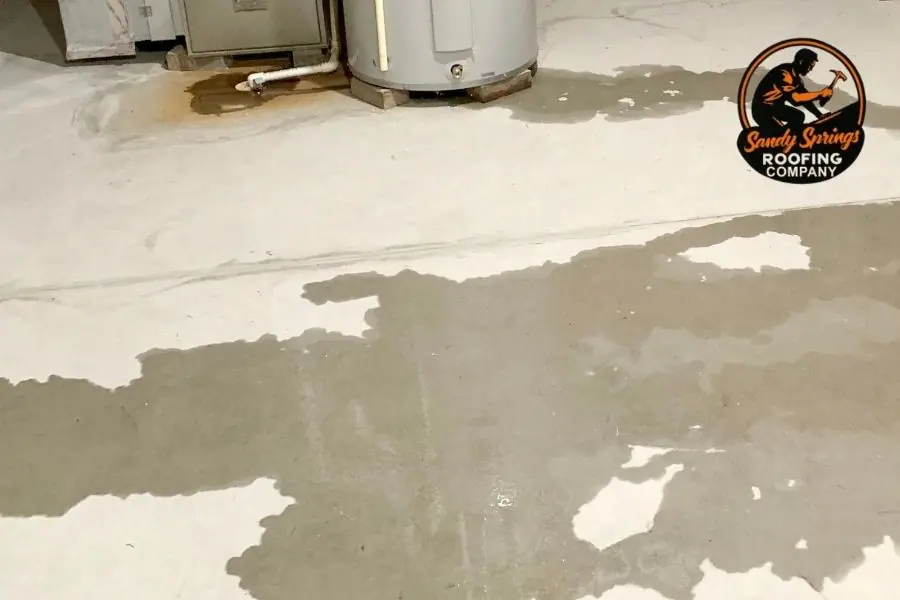
- Efflorescence (white, chalky mineral deposits) on concrete floors or walls — indicates chronic water migration through the slab
- Musty or mildew odors in rooms without obvious moisture sources, particularly after Leander’s spring rain season (March–May)
- Buckled or warped hardwood, laminate, or vinyl plank flooring — common in Crystal Falls and Bryson homes after wet winters
- Damp or wet carpet along exterior wall edges, especially in ground-floor bedrooms
- Visible mold growth on baseboards, drywall, or subfloor components in pier-and-beam homes
Exterior Warning Signs
- Standing water pooling against the foundation for more than 24 hours after rain — a direct indicator of negative grading
- Eroded soil or mulch revealing the top of the foundation beam
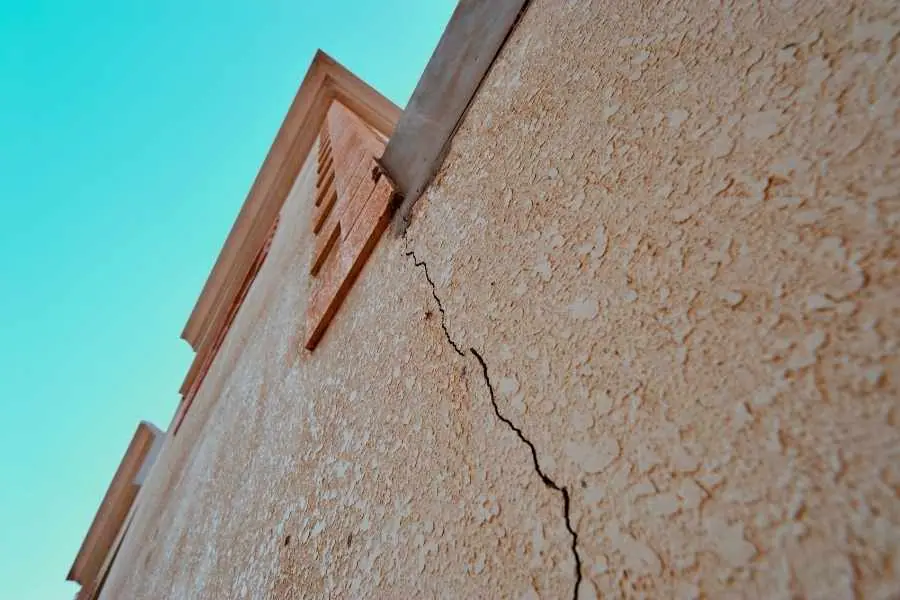
- Cracks in the brick veneer or stucco exterior wider than 1/8 inch, especially stair-step patterns
- Downspouts discharging within 3 feet of the foundation perimeter
Urgency Indicators
If you notice doors or windows sticking during Leander’s dry summer months (July–September) and again loosening after fall rains, this cyclical movement suggests active soil moisture cycling beneath your slab — a condition requiring immediate professional evaluation before structural settlement compounds the damage.
Our process
Our Foundation Waterproofing Process in Leander, TX
- 01
Comprehensive Foundation Inspection (Day 1 — 2–4 Hours)
Our Leander-based inspection team evaluates your foundation’s current condition using moisture meters, infrared thermal imaging, and manual probing. We document crack patterns, measure differential elevation across the slab, and assess soil conditions at the f
- 02
Drainage and Grading Assessment (Day 1, Included in Inspection)
We assess site grading to confirm compliance with the recommended 6-inch drop over the first 10 feet from the foundation. In Leander’s established neighborhoods like Block House Creek, lot grading often shifts over years of clay movement, creating negative slo
- 03
Custom Waterproofing Design (Days 2–3)
Based on inspection findings, we engineer a waterproofing plan specific to your home’s construction type, soil classification, and Leander microclimate position. Plans include drainage board layouts, membrane specifications, interior drain tile routing, and su
- 04
Site Preparation and Excavation (Days 4–6, Varies by Scope)
Exterior waterproofing requires careful excavation along the foundation perimeter — typically to footing depth, which in Leander slab construction ranges from 18 to 36 inches depending on the subdivision and construction era. We protect existing landscaping an
- 05
Waterproofing System Installation (Days 5–10)
Our crews apply drainage membranes, install perforated drain tile in clean gravel beds, seal foundation penetrations, and — where applicable — install sump pump systems with battery backup. Interior French drain systems are typically installed in one to two da
- 06
Backfill, Grading, and Landscaping Restoration (Days 10–12)
We restore excavated areas with properly compacted backfill and re-establish positive grading. Leander’s clay soils require careful compaction sequencing to avoid creating new water channels.
- 07
Final Inspection and Documentation (Day 12–14)
We conduct a walkthrough with the homeowner, provide a written waterproofing report, and supply all warranty documentation for your records and future resale disclosure purposes.
Foundation Waterproofing Methods Used in Leander, TX
1. Exterior Drainage Membrane Systems
The most comprehensive solution, exterior membranes are applied directly to the foundation wall after excavation. Dimple board or sheet-applied membranes redirect groundwater downward to a perimeter drain tile before it can build hydrostatic pressure. Best suited for Leander homes in elevated-risk flood zones or on lots with clay-dominant soils — particularly Crystal Falls and Travisso properties. Learn About Structural Foundation Repair
2. Interior French Drain and Sump Pump Systems
Where exterior excavation is cost-prohibitive or structurally complex, interior French drains installed beneath the slab perimeter capture water that has entered the foundation envelope and channel it to a sump basin. Sump pumps with battery backup are strongly recommended in Leander given the frequency of power outages during severe thunderstorm events that also produce the heaviest rainfall.
3. Crack Injection Waterproofing
Polyurethane or epoxy injection into foundation cracks seals water entry points at the source. Most effective for isolated, non-structural cracks in concrete foundation walls or slabs. Commonly applied in older Leander homes along the FM 2243 corridor where settling cracks have created discrete water pathways. Foundation Patching Services in Leander
4. Vapor Barriers for Crawl Spaces
For Leander’s pier-and-beam homes — concentrated in the pre-1990 neighborhoods near Hero Way and Old Town Leander — heavy-duty (20-mil) polyethylene vapor barriers installed across the crawl space floor dramatically reduce ground moisture vapor transmission. Combined with perimeter drainage and ventilation, these systems prevent wood rot, mold growth, and subfloor deterioration. Crawl Space Repair in Leander, TX
5. Surface Grading and Downspout Extension Corrections
Often the most cost-effective first intervention, re-grading the soil perimeter to achieve positive drainage combined with downspout extensions that discharge at least 6–10 feet from the foundation can resolve mild waterproofing issues in newer Bryson and Savannah Ranch homes before more intensive systems are required.
Foundation Waterproofing Cost in Leander, TX — What to Expect
Foundation waterproofing costs in Leander, TX vary significantly based on the method required, the size of your home’s foundation perimeter, soil conditions, and the severity of existing moisture intrusion. Below are current market ranges for Leander and the greater Williamson County area.
Typical Cost Ranges
- Interior French Drain System: $4,000–$12,000 for a standard 2,000 sq. ft. Leander slab home, depending on linear footage of drain tile required
- Sump Pump Installation (with battery backup): $1,200–$3,500 per unit
- Exterior Drainage Membrane (full perimeter): $8,000–$25,000+ depending on excavation depth and foundation perimeter length
- Crack Injection (polyurethane): $400–$1,200 per crack, depending on length and depth
- Crawl Space Vapor Barrier (complete encapsulation): $3,500–$8,000 for typical Leander pier-and-beam homes
- Surface Grading Correction: $500–$3,000 depending on the extent of regrading needed
Read moreShow less
Leander-Specific Cost Factors
Homes in Crystal Falls and Travisso often require deeper excavation due to cut-and-fill lot construction, adding 15–25% to exterior membrane costs. Properties in FEMA-designated flood zones along Brushy Creek corridors may require more robust sump pump systems with dual pumps, increasing equipment costs. Material costs in the Austin metro area, including Leander, typically run 8–12% above national averages due to high regional construction demand. Get a Free Foundation Waterproofing Estimate in Leander
Leander Neighborhoods We Serve
Crystal Falls
Built primarily between 2002 and 2018, Crystal Falls homes sit on a mix of shallow limestone and deep clay soils along Leander’s western ridge. The neighborhood’s elevated topography creates surface water runoff challenges, and many homes on lower-lying cul-de-sacs report seasonal wet spots along foundation edges after significant rain events. Exterior drainage membrane systems and downspout management are the most common waterproofing needs here.
Bryson
One of Leander’s newest master-planned communities, Bryson (developed from approximately 2016 onward) features predominantly slab-on-grade construction on compacted clay fill. Relatively new homes are already showing moisture migration signs as the clay beneath slabs establishes its natural wet-dry cycling pattern. Interior French drain systems and perimeter grading corrections are frequently recommended for Bryson properties.
Block House Creek
This established neighborhood, developed largely in the 1990s and early 2000s, sits near Block House Creek and has experienced flood-related foundation moisture issues during major storm events including the 2018 Brushy Creek flooding. Homes here often benefit from combined interior drainage and sump pump solutions given the elevated groundwater table during wet seasons.
Savannah Ranch and Grand Mesa
These mid-2000s communities feature homes built on clay-dominant lots with varying grading quality. Many properties require both grading corrections and supplemental drainage systems. Home Foundation Repair Services Near You
Foundation Waterproofing Maintenance Tips for Leander Homeowners
- Inspect and clean gutters every fall and spring. Leander’s live oak and cedar trees shed debris that clogs gutters, causing overflow directly onto foundation perimeters. Clean gutters in October before winter rains and again in April after spring pollen season.
- Maintain positive grading year-round. Check that soil slopes away from your foundation at least 1 inch per foot for the first 6 feet. Leander’s clay soils settle and shift seasonally, requiring periodic top-dressing with compactable fill.
- Extend downspouts to discharge 6–10 feet from the foundation. This single step is one of the most cost-effective waterproofing maintenance actions available to Leander homeowners.
- Test your sump pump before rainy season (February–March). Pour a bucket of water into the sump basin to confirm the pump activates properly before Leander’s heaviest rain months arrive.
- Monitor soil moisture during drought-to-rain transitions. After Leander’s dry summers, avoid rapid, heavy irrigation against foundation perimeters when fall rains begin — gradual re-moistening reduces hydrostatic pressure spikes.
- Inspect vapor barriers in crawl spaces annually. Look for tears, pooling water, or displaced sections — particularly after the flood-risk months of April, May, and October in the Brushy Creek watershed.
- Check for new foundation cracks every spring. Early crack injection is far less expensive than full waterproofing system installation after prolonged water intrusion has occurred.
Why Choose Round Rock Foundation Repair Group for Foundation Waterproofing in Leander
Round Rock Foundation Repair Group brings deep, hands-on knowledge of Central Texas soil conditions, Williamson County drainage patterns, and the specific construction methods used across Leander’s diverse housing stock — from 1980s pier-and-beam homes near Old Town Leander to the newest slab-on-grade developments in Bryson and Travisso. We understand that no two Leander properties are identical, and we build waterproofing solutions that reflect the unique combination of soil type, lot topography, building age, and proximity to Brushy Creek tributaries that define your property’s risk profile.
Our team provides transparent, itemized cost estimates so you understand exactly what you’re paying for and why each component is necessary. We serve not only Leander but the entire surrounding region including Cedar Park, Round Rock, Georgetown, Austin, Pflugerville, and communities throughout Williamson and Travis counties. We are committed to responsive local service — when Leander experiences a major weather event, our team prioritizes prompt site evaluations for affected homeowners.
Contact Round Rock Foundation Repair Group at (512) 220-3502 to schedule your foundation waterproofing assessment. Commercial Foundation Waterproofing in Leander
FAQ
Frequently Asked Questions: Foundation Waterproofing Cost in Leander, TX
How much does foundation waterproofing typically cost in Leander, TX?
Most Leander homeowners spend between $4,000 and $15,000 for foundation waterproofing, depending on the system required. Simpler interior French drain installations for a standard 2,000 sq. ft. slab home range from $4,000 to $8,000, while full exterior membrane systems requiring excavation can reach $20,000–$25,000 for larger homes or properties with deep clay soils requiring extensive digging.
Does homeowner’s insurance cover foundation waterproofing in Leander?
Standard homeowner’s insurance policies in Texas typically exclude coverage for waterproofing installation, as it is considered a maintenance issue rather than sudden-onset damage. However, if water intrusion caused sudden structural damage during a named flooding event and you carry separate flood insurance through FEMA’s National Flood Insurance Program (NFIP), portions of remediation costs may be covered. We recommend consulting your insurance agent after any significant weather event affecting Leander.
How long does foundation waterproofing installation take in Leander?
Interior French drain systems are typically completed in one to three days for standard Leander slab homes. Exterior membrane systems requiring full-perimeter excavation generally take seven to fourteen days, depending on foundation perimeter length, soil conditions, and weather. During Leander’s peak spring rain season, scheduling may need to accommodate weather windows.
Is foundation waterproofing different for homes in Crystal Falls versus Block House Creek?
Yes, significantly. Crystal Falls homes on elevated ridge lots primarily deal with surface runoff and shallow clay over limestone, making exterior drainage membranes and downspout management the priority. Block House Creek properties near the creek corridor face higher groundwater table conditions and flooding risks, often requiring interior sump pump systems in addition to perimeter drainage. Site-specific soil and topography assessment is essential in Leander due to the area’s geological variability.
How do I know if I need waterproofing or foundation repair first?
In many cases, both are needed together. Active water intrusion is often both a cause and a consequence of foundation movement. Our inspection process evaluates both conditions simultaneously. If significant structural settlement has occurred, structural foundation repair is typically completed before waterproofing installation to ensure the waterproofing system is applied to a stable substrate. We provide integrated repair and waterproofing plans when both are required.
Can new homes in Leander developments like Bryson need waterproofing?
Absolutely. Homes as new as five to seven years old in Bryson and similar Leander developments are showing moisture migration signs because builder-standard waterproofing is minimal and Leander’s clay soils begin their shrink-swell cycling immediately after construction disturbs the natural soil profile. We regularly evaluate and waterproof homes under ten years old throughout Leander’s newer subdivisions.
Do I need a permit for foundation waterproofing in Leander, TX?
Permit requirements depend on the scope of work. Interior drainage modifications typically do not require permits. Exterior excavation exceeding certain depths may require a permit from the City of Leander Development Services department. Our team coordinates all required permit applications on your behalf and schedules inspections in compliance with Leander municipal requirements.
How long does a properly installed waterproofing system last in Central Texas?
High-quality exterior drainage membranes and interior drain tile systems, properly installed, are designed to last 20–30 years or more. Sump pumps typically require replacement every 7–10 years. Leander’s clay soil movement means annual visual inspections of accessible components are recommended to confirm system integrity following each major wet season.
Get Your Foundation Waterproofing Cost Estimate in Leander, TX Today
Don’t wait for a minor moisture issue to become a major structural problem. Leander’s expansive clay soils, Brushy Creek flood risks, and intense seasonal rainfall make proactive foundation waterproofing one of the smartest investments a homeowner can make in this region. Round Rock Foundation Repair Group is ready to evaluate your property, explain your options in plain language, and provide a clear, itemized cost estimate with no pressure and no surprises.
We serve Leander and surrounding communities including Cedar Park, Round Rock, Georgetown, Austin, Pflugerville, Avery Ranch, Crystal Falls, Block House Creek, Bryson, Travisso, and more.
Call us today at (512) 220-3502 to schedule your comprehensive foundation waterproofing inspection in Leander, TX. Book Your Leander Foundation Inspection Online
Get in touch
Find foundation repair help near you
Request a free estimate online or give us a call — our team will follow up quickly.
- Call us(512) 220-3502
- Visit1 Chisholm Trail Rd suite 450 room j, Round Rock, TX 78681
- HoursMon-Sat: 7:00 am – 7:00 pm