
Foundation waterproofing is the process of applying protective barriers, drainage systems, and sealants to prevent water intrusion from damaging your home’s structural base. In Cedar Park, TX, where expansive clay soils and dramatic rainfall events create persistent moisture challenges beneath homes, waterproofing is not a luxury — it is a critical investment in your property’s long-term stability.
Round Rock Foundation Repair Group provides comprehensive foundation waterproofing services throughout Cedar Park and the surrounding communities of the greater Austin metro area. Our team understands the unique geological and climatic pressures that Cedar Park homeowners face, from the Blackland Prairie clay soils that swell and shrink seasonally to the flash flooding events that send water rushing toward home foundations along Brushy Creek tributaries.
Read moreShow less
Whether you own a newer construction home in Avery Ranch or an established property near Anderson Mill, understanding foundation waterproofing costs in Cedar Park, TX helps you make informed decisions before minor moisture problems become catastrophic structural failures. Call us today at (512) 220-3502 for a professional assessment.
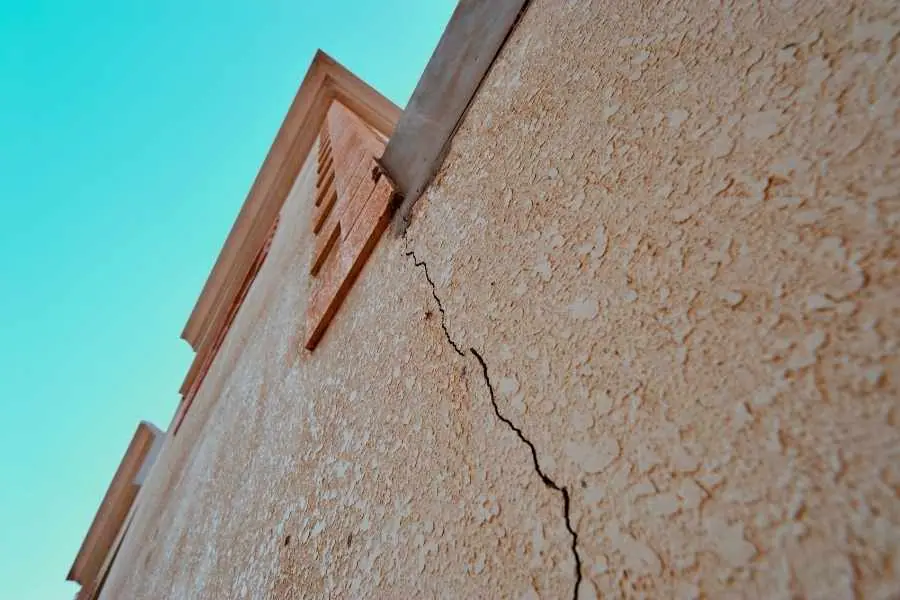
Foundation waterproofing encompasses a broad range of techniques designed to control, redirect, and eliminate moisture that accumulates around and beneath a home’s foundation system. The practice evolved significantly throughout the latter half of the 20th century as residential construction expanded rapidly into areas like Cedar Park, where the terrain and soil composition present ongoing challenges that builders and homeowners must actively manage.
Historically, foundations in Central Texas were built with minimal waterproofing consideration, relying primarily on natural drainage and basic concrete to keep moisture at bay. As Cedar Park transitioned from a small farming community into one of the fastest-growing cities in the United States — with a population that grew from roughly 26,000 in 2000 to over 82,000 by the 2020 census — the volume of residential construction accelerated dramatically. Subdivisions were built quickly, often on lots with grading issues or disturbed soils that did not behave predictably once homes were placed on them.
Read moreShow less
Modern foundation waterproofing addresses two primary challenges: hydrostatic pressure and lateral water migration. Hydrostatic pressure occurs when water-saturated soil pushes against foundation walls with enough force to cause cracking, bowing, and eventual structural failure. Lateral migration refers to water moving horizontally through soil and entering crawl spaces or slab edges at the point of least resistance.
In Cedar Park, the majority of residential properties are built on post-tensioned concrete slab foundations, which became the dominant construction method throughout Williamson County during the 1990s and 2000s. These slabs are designed to flex slightly with soil movement, but they are not inherently waterproof. Without proper drainage and barrier systems, water infiltrates cable conduits, expansion joints, and perimeter edges, leading to interior moisture, mold growth, and progressive undermining of the soil beneath the slab.
Commercial properties in Cedar Park’s growing business corridor along US-183 and Whitestone Boulevard often feature deeper foundation systems that require more extensive waterproofing solutions, including below-grade membrane applications and sump pump integration. Commercial foundation waterproofing demands specialized equipment and expertise that our team is fully equipped to provide.
Why Foundation Waterproofing Is Needed in Cedar Park, TX
Expansive Blackland Prairie Clay Soils
The dominant soil type beneath most of Cedar Park’s residential neighborhoods is Houston Black Clay, a member of the Blackland Prairie soil series. This expansive clay soil has a shrink-swell coefficient among the highest recorded in Texas, with volumetric changes of up to 30% between dry and saturated states. During Cedar Park’s dry summers — which regularly produce consecutive weeks with temperatures exceeding 100°F and no measurable rainfall — this clay contracts and pulls away from foundation perimeters, creating gaps that allow water to rush in during the next rainfall event. The resulting cycle of swelling and shrinkage creates enormous differential pressure on foundation slabs and walls year after year.
Brushy Creek Watershed Drainage Patterns
Cedar Park is largely contained within the Brushy Creek watershed, and significant portions of established neighborhoods including Cat Hollow, Behrens Ranch, and Sendero Springs drain toward Brushy Creek and its tributaries. Major storm events — including the October 2018 flooding that caused Brushy Creek to exceed its banks and damaged dozens of properties in the Brushy Creek Regional Trail corridor — demonstrate how quickly water accumulates in low-lying areas. Homes situated on slight grades or near drainage easements experience concentrated subsurface water flow that increases hydrostatic pressure dramatically within 24 to 48 hours of significant rainfall.
Rapid Residential Development and Altered Drainage
The rapid suburban expansion of Cedar Park between 1998 and 2015 converted large areas of natural land into impervious cover. Subdivisions like Avery Ranch (developed primarily between 2001 and 2010) and Forest Creek introduced thousands of rooftops, driveways, and streets that redirect rainwater runoff toward home foundations rather than allowing natural percolation. The Williamson County regional stormwater management infrastructure, while improved significantly after the 2015 Memorial Day flooding that impacted communities across Central Texas, still leaves many individual homeowners responsible for managing water that collects against their foundation perimeters.
Seasonal Rainfall Variability
Cedar Park averages approximately 34 inches of annual rainfall, but that precipitation does not fall evenly throughout the year. The region experiences two distinct wet seasons — spring (April through June) and fall (September through November) — separated by an intense summer drought period. This variability means foundations experience extreme swings in soil moisture content multiple times per year. A single May thunderstorm can deposit 3 to 5 inches of rainfall within two hours, saturating soil that has been bone-dry for six to eight weeks. Without proper waterproofing and drainage systems, this sudden moisture loading is extremely destructive to foundation integrity.
Age of Housing Stock
Many Cedar Park homes built during the 1990s and early 2000s boom years are now approaching 20 to 30 years of age. Original waterproofing materials — particularly bituminous coatings and early-generation drainage boards — have reached or exceeded their effective service life. Neighborhoods like Great Hills and Anderson Mill, where homes date to the 1980s and early 1990s, show higher rates of waterproofing failure and moisture intrusion than newer developments.
Free, no-obligation estimates
Talk to Round Rock Foundation Repair Group
Tell us what you need and we’ll take it from there.
Signs You Need Foundation Waterproofing in Cedar Park
Interior Warning Signs
- Efflorescence — white, chalky mineral deposits — appearing on interior concrete surfaces or brick walls
- Musty or mildew odors in rooms at or below grade level, including garages and enclosed slab areas
- Visible mold growth on baseboards, drywall, or flooring materials within 18 inches of the floor
- Water stains or tide marks on interior walls following heavy rainfall events
- Buckling, warping, or cupping of hardwood or laminate flooring, indicating moisture migration through the slab
Exterior Warning Signs
- Soil pulling away from the foundation perimeter by more than half an inch during dry summer months
- Pooling water that remains within 6 feet of your foundation for more than 24 hours after rain
- Horizontal or stair-step cracks appearing in brick veneer or mortar joints
- Downspout discharge directed toward rather than away from the foundation
Structural Urgency Indicators
- Doors or windows that stick, jam, or no longer close squarely, indicating differential settlement
- Visible cracks wider than one-quarter inch in the foundation slab or perimeter beam
- Sloping or uneven floors measurable with a standard level over a 10-foot span
If you observe any combination of these signs, contact Round Rock Foundation Repair Group immediately at (512) 220-3502 for a professional foundation inspection.
Our process
Our Foundation Waterproofing Process in Cedar Park
Round Rock Foundation Repair Group follows a structured, proven process tailored to Cedar Park’s specific soil and climate conditions. Here is what you can expect from your initial contact through project completion.
- 01
Site Evaluation and Moisture Assessment (Day 1 — 2 to 3 Hours)
Our technicians conduct a full perimeter walkthrough, documenting grading issues, drainage patterns, downspout placement, and visible foundation conditions. We use moisture meters and, where applicable, infrared scanning tools to identify hidden moisture conce
- 02
Soil and Drainage Analysis (Day 1–2)
We assess the existing drainage slope around your property. Texas building codes recommend a minimum 6-inch drop within the first 10 feet from the foundation perimeter. Many Cedar Park homes, particularly those in older subdivisions like Behrens Ranch and Send
- 03
Customized Waterproofing Plan Development (Day 2–3)
Based on our assessment, we develop a detailed waterproofing plan that may incorporate exterior drainage systems, interior drainage channels, sump pump installation, or surface sealant applications depending on your specific conditions. Written estimates are p
- 04
Site Preparation and Excavation (Day 3–5, Variable)
Exterior waterproofing work requires excavation along affected foundation sections. Our team takes care to protect landscaping and hardscaping features wherever possible. Cedar Park’s clay soil requires careful excavation to prevent wall instability during ope
- 05
Waterproofing System Installation (Day 4–8, Variable)
Membrane application, drainage board installation, French drain placement, or interior drain channel work is completed by our certified technicians. All materials meet or exceed Texas Department of Licensing and Regulation standards for residential and commerc
- 06
Backfill, Grading, and Surface Restoration (Day 7–10)
Excavated areas are backfilled with appropriately compacted material and graded to direct water away from the foundation. Surface areas disturbed during the process are restored as closely as possible to their original condition.
- 07
Final Inspection and Documentation (Day 10–12)
A final walkthrough confirms system integrity. We provide you with documentation of all work completed, materials used, and maintenance recommendations specific to Cedar Park’s seasonal weather patterns.
Foundation Waterproofing Methods Used in Cedar Park
Exterior Membrane Waterproofing
This method involves applying a continuous waterproof membrane — typically a polymer-modified bitumen or crystalline coating — to the exterior face of foundation walls or slab perimeters after excavation. It is the most comprehensive solution for homes with persistent perimeter water intrusion and is particularly effective on Cedar Park properties where Blackland Clay sits within 12 inches of the foundation surface.
Interior Drainage Channel Systems
Where exterior excavation is impractical or cost-prohibitive, interior perimeter drainage channels can be installed beneath the slab edge to capture and redirect water before it damages living spaces. This method is commonly used in Cedar Park homes with finished garages and enclosed slab-on-grade construction.
French Drain and Surface Drainage Correction
Perforated pipe systems installed in gravel-filled trenches around the foundation perimeter capture and redirect groundwater before it reaches the foundation. French drains are highly effective in Cedar Park neighborhoods with inadequate original grading, particularly in established areas like Cat Hollow and Forest Creek where landscape maturation has altered original drainage patterns.
Sump Pump Systems
In Cedar Park properties with crawl spaces or below-grade areas, sump pump systems provide active water removal during heavy rainfall events. Crawl space waterproofing often incorporates sump pump installation as a primary control measure.
Concrete Crack Injection and Slab Sealing
Polyurethane or epoxy injection into existing cracks seals pathways for water infiltration at the source. This method complements broader waterproofing systems and is often incorporated into foundation patching work on aging Cedar Park slabs.
Foundation Waterproofing Cost in Cedar Park, TX
Understanding the cost of foundation waterproofing in Cedar Park helps homeowners budget appropriately and evaluate contractor proposals with confidence. Costs vary significantly based on foundation type, problem severity, and the specific methods required.
Typical Cost Ranges
- Basic Interior Drainage System: $3,000 – $8,000 for a standard Cedar Park slab-on-grade home with localized moisture issues
- Exterior Membrane Waterproofing (Partial): $5,000 – $12,000 for one to two foundation wall sections requiring excavation and membrane application
- Full Perimeter Exterior Waterproofing: $15,000 – $30,000+ for complete excavation and membrane installation around the full foundation perimeter of an average Cedar Park home (1,800 – 2,800 square feet)
- French Drain Installation: $2,500 – $7,000 depending on linear footage and depth required
- Sump Pump System: $1,500 – $4,500 installed, depending on pit depth and pump capacity
- Crack Injection and Sealing: $500 – $3,000 depending on crack length and number of injection points
Read moreShow less
Factors That Affect Cost in Cedar Park
- Soil accessibility and clay content — denser Blackland Clay increases excavation labor costs by 15 to 25%
- Foundation size and perimeter linear footage
- Proximity to Brushy Creek flood zones, which may require engineered drainage solutions
- Existing landscaping, driveways, or hardscaping that must be removed and replaced
- Whether complementary structural foundation repair work is needed simultaneously
Cedar Park homeowners typically spend between $6,000 and $18,000 for comprehensive waterproofing solutions. Addressing waterproofing issues early consistently reduces total expenditure compared to delayed intervention. Call (512) 220-3502 for a detailed, no-obligation estimate.
Cedar Park Neighborhoods We Serve
Avery Ranch
Developed primarily between 2001 and 2012, Avery Ranch homes sit on post-tensioned slabs in an area with significant clay soil variability. Drainage challenges near the community’s golf course areas and greenbelt corridors create elevated moisture risk for homes backing to these features. We frequently address lateral water migration and French drain installation in this neighborhood.
Behrens Ranch and Sendero Springs
These adjacent Round Rock-area communities share Cedar Park’s clay soil challenges and experience above-average subsurface moisture variability due to their position within the Brushy Creek watershed. Homes here, built largely between 1998 and 2008, are now at the age where original builder-grade waterproofing applications are failing and require assessment and upgrading.
Cat Hollow
Cat Hollow’s position within Brushy Creek’s developed corridor means that stormwater management is a consistent challenge. Mature tree root systems can compromise drainage board installations and should be factored into any waterproofing plan for this neighborhood.
Anderson Mill and Great Hills
These older Austin-adjacent communities feature homes constructed as early as the 1980s, making them among the highest-priority areas for waterproofing assessment and restoration. Original waterproofing systems in these neighborhoods have frequently surpassed their designed service life.
Foundation Waterproofing Maintenance Tips for Cedar Park Homeowners
Proactive maintenance extends the life of your waterproofing system and protects your foundation investment through Cedar Park’s challenging seasonal cycles.
- Maintain consistent soil moisture during summer: Use a soaker hose placed 12 to 18 inches from your foundation perimeter during extended dry periods (June through August in Cedar Park) to minimize clay shrinkage and the resulting foundation gaps.
- Clean gutters before each wet season: Clear debris before April and again before September to ensure downspouts discharge water at least 4 feet from your foundation.
- Inspect and regrade annually: Check that your yard maintains the recommended 6-inch slope drop within 10 feet of your foundation, especially after Cedar Park’s summer drought causes soil settling.
- Monitor downspout extensions: Ensure extensions direct water away from the foundation and are not buried or obstructed.
- Check window well drainage: Window wells on Cedar Park homes with partial basements or sunken entries should be inspected for debris accumulation after major storms.
- Inspect sump pump operation: Test sump pump functionality each March before the spring wet season begins.
- Seal visible cracks promptly: Small hairline cracks in concrete should be addressed quickly. Contact our foundation patching team before the next Cedar Park rain season.
- Schedule biennial professional inspections: Cedar Park’s aggressive clay soils warrant professional waterproofing assessments every two years to catch developing issues early.
Why Choose Round Rock Foundation Repair Group for Cedar Park Waterproofing
Cedar Park homeowners trust Round Rock Foundation Repair Group because we bring specialized knowledge of Williamson County and Travis County soil conditions, drainage patterns, and foundation behavior to every project. Our team has worked extensively in Cedar Park’s unique microclimates — from the clay-heavy soils of Avery Ranch to the drainage-challenged corridors of the Brushy Creek watershed.
We offer comprehensive foundation services under one roof, including structural foundation repair, foundation restoration, professional inspections, crawl space repair, and home foundation repair. This integrated approach means we identify and address underlying structural issues at the same time as waterproofing work, preventing the costly cycle of repeated repairs.
Read moreShow less
Our team provides transparent, itemized estimates with no hidden fees. We explain every recommendation in plain language and work with you to prioritize repairs within your budget. We serve Cedar Park and surrounding communities including Round Rock, Georgetown, Austin, Pflugerville, Brushy Creek, Wells Branch, and Pflugerville, meaning our crews are always local and available for prompt service.
Call us today at (512) 220-3502 to schedule your Cedar Park foundation waterproofing assessment.

FAQ
Frequently Asked Questions: Foundation Waterproofing Cost in Cedar Park, TX
How much does foundation waterproofing cost in Cedar Park, TX?
Foundation waterproofing costs in Cedar Park typically range from $3,000 for basic interior drainage corrections to $30,000 or more for full exterior perimeter membrane systems on larger homes. Most Cedar Park homeowners with moderate moisture issues spend between $6,000 and $15,000. The Blackland Prairie clay soils common to this area can increase excavation costs compared to projects in sandier soil regions.
Is foundation waterproofing worth the cost in Cedar Park?
Yes. Given Cedar Park’s expansive clay soils and the Brushy Creek watershed’s drainage dynamics, untreated moisture intrusion consistently leads to progressive foundation damage that costs significantly more to repair than proactive waterproofing. A $10,000 waterproofing investment can prevent $40,000 to $80,000 in structural repair costs if moisture-driven deterioration is allowed to advance.
How long does foundation waterproofing take in Cedar Park?
Most residential waterproofing projects in Cedar Park are completed within 5 to 12 working days, depending on scope. Basic interior drainage installations may be completed in 2 to 3 days. Full exterior perimeter excavation and membrane projects on larger homes typically require 8 to 12 working days, with additional time needed if complementary structural repairs are identified during the process.
Does Cedar Park’s clay soil affect waterproofing methods?
Absolutely. The Houston Black Clay soils prevalent throughout Cedar Park require waterproofing solutions that account for significant volumetric movement — up to 30% expansion and contraction between wet and dry states. Rigid waterproofing systems that work well in stable soil environments can crack and fail under these conditions. We use flexible polymer membranes and properly designed drainage systems that accommodate clay soil movement throughout Cedar Park’s wet-dry seasonal cycles.
What is the difference between foundation waterproofing and foundation repair?
Foundation repair addresses structural damage — cracks, settlement, shifting — that has already occurred. Waterproofing prevents moisture from causing or exacerbating that damage. In Cedar Park, many homes need both: structural repair to correct existing damage and waterproofing to prevent recurrence. Our team provides structural foundation repair and waterproofing as integrated services.
Does homeowner’s insurance cover foundation waterproofing in Cedar Park?
Standard homeowner’s insurance policies in Texas generally do not cover foundation waterproofing or moisture-related foundation damage caused by gradual water intrusion. Sudden and accidental water damage may be partially covered depending on your specific policy. We recommend reviewing your policy with your insurance agent. We provide detailed documentation of all findings and work completed to support any insurance claims you may pursue.
How do I know if my Cedar Park home needs waterproofing or just better drainage?
Surface drainage correction — regrading and extending downspouts — is often the appropriate first step for Cedar Park homes where water is pooling near the foundation but has not yet entered the structure. If water is already infiltrating the foundation, causing interior moisture, mold, or efflorescence, active waterproofing systems are required. Our foundation inspection process assesses both scenarios and recommends the minimum effective intervention.
Do you serve areas outside of Cedar Park?
Yes. Round Rock Foundation Repair Group serves communities throughout the greater Austin metro area, including Round Rock, Georgetown, Austin, Pflugerville, Brushy Creek, Jollyville, Paloma Lake, Wells Branch, Teravista, La Frontera, Avery Ranch, Great Hills, Mayfield Ranch, Anderson Mill, Cat Hollow, Forest Creek, Behrens Ranch, Sendero Springs, and Tech Ridge. Call (512) 220-3502 to confirm service availability for your specific address.
Get Your Foundation Waterproofing Estimate in Cedar Park Today
Don’t wait for Cedar Park’s next major storm event to find out your foundation waterproofing is failing. The combination of Blackland Prairie clay soils, Brushy Creek watershed drainage dynamics, and the aging housing stock in many Cedar Park neighborhoods makes proactive waterproofing assessment one of the smartest investments a local homeowner can make.
Round Rock Foundation Repair Group is ready to evaluate your Cedar Park home, explain your options clearly, and provide a detailed, no-obligation cost estimate with no pressure and no surprises. Our team serves Cedar Park and surrounding communities throughout Williamson and Travis counties.
Call us now at (512) 220-3502 to schedule your foundation waterproofing consultation, or reach out through our website to request a callback. Protect your Cedar Park home’s foundation before moisture damage becomes a structural emergency.
Get in touch
Find foundation repair help near you
Request a free estimate online or give us a call — our team will follow up quickly.
- Call us(512) 220-3502
- Visit1 Chisholm Trail Rd suite 450 room j, Round Rock, TX 78681
- HoursMon-Sat: 7:00 am – 7:00 pm