
Pier and beam foundation repair is the process of restoring, reinforcing, and stabilizing raised foundations — those built on a network of wooden beams, joists, and support piers that elevate the home above a crawl space — so they can safely bear structural loads again. In Cedar Park, TX, where expansive clay soils shift dramatically with seasonal moisture changes and rapid residential growth has introduced aging housing stock from multiple building eras, pier and beam foundations face unique stresses that require specialized local expertise.
Round Rock Foundation Repair Group serves homeowners and commercial property owners throughout Cedar Park with comprehensive pier and beam repair solutions tailored to the specific soil conditions, climate patterns, and building types found in this community. Whether your crawl space shows signs of wood rot, sagging beams, or settled piers, our team delivers honest assessments and lasting repairs. Call us today at (512) 220-3502 to schedule your foundation inspection.
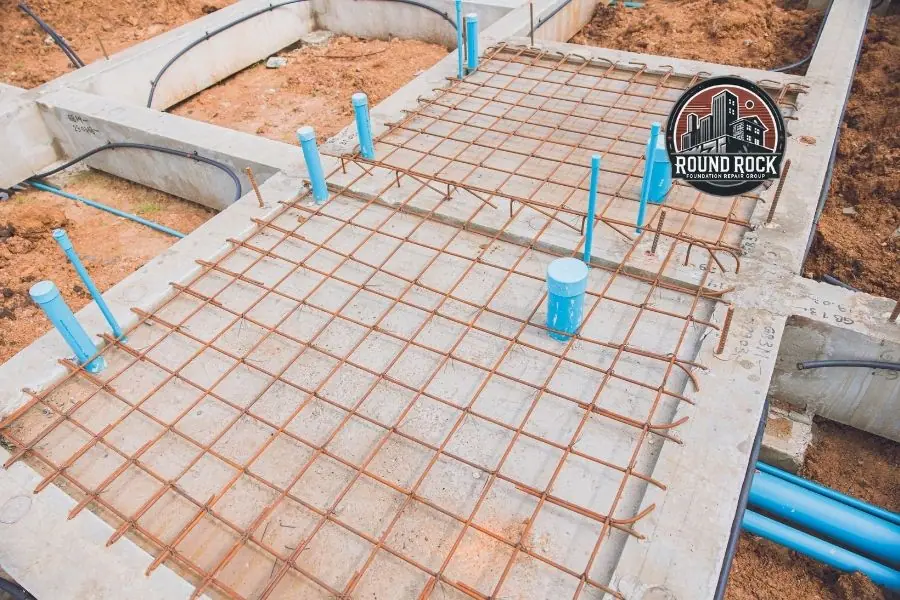
Understanding Pier and Beam Foundation Repair in Cedar Park
Pier and beam construction — sometimes called post and beam — is one of the oldest foundation systems used in Texas residential building. Rather than pouring a continuous concrete slab directly on the ground, builders elevated homes on wooden posts or masonry piers, allowing air to circulate beneath the structure. This approach was especially common in Central Texas communities like Cedar Park from the early 1900s through the 1970s, when slab-on-grade construction gradually became the dominant method.
Many homes in Cedar Park’s older neighborhoods — particularly those built before the city incorporated in 1973 and in the years immediately following — still feature pier and beam foundations. These structures have distinct advantages: they allow easy access to plumbing and electrical systems running beneath the floor, they provide natural ventilation that can reduce moisture buildup, and they tend to be more adaptable to minor soil movement than rigid slabs.
Read moreShow less
However, pier and beam systems are not without vulnerabilities. Over decades of exposure to Cedar Park’s humidity fluctuations, the wooden components — sills, beams, joists, and wood piers — can suffer moisture damage, wood rot, insect infestation from termites and carpenter ants, and gradual settlement as the soil beneath the piers compresses or shifts. Masonry piers can crack, lean, or sink. When any component fails, the entire floor system can sag, bounce, or become unlevel, creating safety hazards and cosmetic damage throughout the home.
Repair techniques have advanced significantly. Modern pier and beam repair may involve sistering damaged beams, replacing rotted wood, shimming piers to correct elevation, installing steel adjustable piers for long-term stability, and encapsulating crawl spaces to control moisture. Understanding which repair method is appropriate requires a thorough inspection by a contractor familiar with both the structural engineering principles involved and the local conditions specific to Cedar Park and the surrounding Williamson County area.
Schedule a Professional Foundation Inspection
Why Pier and Beam Foundation Repair Is Needed in Cedar Park, TX
Cedar Park sits within the Texas Blackland Prairie and Edwards Plateau transition zone, a geological setting that produces some of the most challenging soil conditions for foundation stability in the entire United States. The dominant soil type beneath much of Cedar Park is Houston Black clay — a highly expansive Vertisol that swells dramatically when wet and shrinks and cracks when dry. Soil tests across Williamson County have documented shrink-swell cycles that produce vertical soil movement of 3 to 6 inches or more within a single year, placing enormous cyclical stress on any foundation system, including pier and beam structures.
Cedar Park’s climate amplifies this problem. The region experiences an average annual rainfall of approximately 32 inches, but that precipitation is notoriously uneven. Central Texas regularly endures multi-month droughts — such as the severe drought of 2011, when Williamson County recorded one of its driest years on record and widespread foundation damage was reported across neighborhoods including Cypress Canyon, Buttercup Creek, and Anderson Mill West — followed by intense storm events. When 4 to 6 inches of rain fall within 48 hours after a prolonged dry period, the clay soil absorbs moisture rapidly and expands with tremendous force, pushing against and beneath foundation piers.
Read moreShow less
The freeze event of February 2021, known locally as Winter Storm Uri, caused additional widespread foundation distress throughout Cedar Park and surrounding communities. Ground temperatures dropped below freezing for an extended period, causing frost heave in some areas and causing plumbing failures that released large volumes of water beneath homes with pier and beam foundations. The resulting soil saturation led to pier settlement and beam warping that many homeowners only fully recognized months later as floors began to sag and doors began to stick.
Cedar Park’s rapid population growth has introduced additional risk factors. The city’s population grew from approximately 26,000 in 2000 to over 80,000 by the early 2020s, driving significant infill development and land disturbance. Grading changes in neighborhoods like Twin Creeks and Buttercup Creek have altered historical drainage patterns, directing more stormwater runoff toward established homes with older pier and beam foundations. Poorly maintained or undersized gutters and downspouts allow roof drainage to pool near pier footings, accelerating both soil erosion and wood moisture exposure in crawl spaces.
Tree root intrusion is another Cedar Park-specific concern. The community has a robust urban tree canopy including mature live oaks, cedar elms, and Texas ash trees common in established neighborhoods like Lakeline and Forest Oaks. Root systems from these species routinely extend 20 to 30 feet from the trunk and can physically displace masonry piers or introduce moisture differentials that cause localized settlement on one side of a home.
Free, no-obligation estimates
Talk to Round Rock Foundation Repair Group
Tell us what you need and we’ll take it from there.
Signs You Need Pier and Beam Foundation Repair in Cedar Park
Floor and Structural Indicators
- Floors that visibly sag, bounce, or feel soft underfoot, particularly in kitchens and hallways
- Sloping floors detectable with a marble or level — any slope exceeding 1 inch per 8 feet warrants immediate inspection
- Visible gaps between the floor and baseboard trim running the length of a wall
- Floor squeaking that is new or has dramatically worsened over a single season
Door and Window Performance
- Interior or exterior doors that stick, drag on the floor, or no longer latch properly
- Windows that have become difficult to open, close, or lock
- Visible gaps at the corners of door or window frames
Crawl Space Warning Signs
- Visible wood rot, discoloration, or crumbling on beams, joists, or sills observed during any crawl space inspection
- Evidence of standing water or persistent moisture staining beneath the home
- Insect activity — particularly termite tubes or carpenter ant frass — on wooden components
- Leaning, cracked, or visibly displaced masonry piers
Urgent Red Flags
- Cracks in interior drywall following a diagonal pattern from door or window corners
- Separation between the home’s exterior siding and the foundation beam
- Any sudden or rapid change in floor levelness following a major storm or freeze event
Our process
Our Pier and Beam Foundation Repair Process in Cedar Park
- 01
Comprehensive Foundation Inspection (Day 1 — 2 to 3 Hours)
Our inspector evaluates the entire foundation system — floor levelness measurements using digital instruments, crawl space examination for wood condition and pier integrity, exterior grading review, and drainage pattern assessment. In Cedar Park, we pay partic
- 02
Detailed Written Report and Cost Proposal (Within 24–48 Hours)
We provide a written inspection report with photographs, identified problem areas, recommended repair methods, and a transparent itemized cost estimate. We explain every line item in plain language so Cedar Park homeowners can make informed decisions without p
- 03
Crawl Space Preparation and Access (Day 1 of Repair — 2 to 4 Hours)
Before structural work begins, our crew removes debris, clears obstructions from the crawl space, and sets up proper ventilation and lighting. In Cedar Park homes with limited crawl space clearance — common in mid-century construction — this step requires spec
- 04
Structural Repairs — Wood Replacement and Pier Work (1 to 3 Days Depending on Scope)
Rotted beams and joists are sistered or fully replaced using pressure-treated lumber rated for ground-contact applications. Damaged or settled piers are either replaced with new concrete masonry units or supplemented with adjustable steel piers that allow futu
- 05
Floor Leveling and Shimming (Included in Repair Days)
With structural components repaired, we restore floor levelness by carefully shimming beams to achieve a uniform plane, working systematically across the structure to avoid introducing new stress concentrations.
- 06
Moisture Mitigation Installation (Optional — 1 Day)
For Cedar Park homes with persistent crawl space moisture, we install vapor barriers, improve foundation vent placement, or recommend crawl space encapsulation to eliminate the moisture that accelerates wood deterioration in our humid Central Texas climate.
- 07
Final Inspection and Client Walk-Through (2 to 3 Hours)
We document final floor elevations, review all completed repairs with the homeowner, and provide written maintenance guidance tailored to Cedar Park’s soil and climate conditions.
Pier and Beam Repair Methods Used in Cedar Park
Wood Sistering and Beam Replacement
When joists or beams show signs of rot, insect damage, or significant deflection, we attach new pressure-treated lumber alongside or in place of the damaged member. This method is ideal for localized damage — common in Cedar Park homes near the Brushy Creek drainage corridor where crawl space humidity tends to be consistently elevated.
Masonry Pier Replacement
Original concrete block piers that have cracked, leaned, or sunk are removed and replaced with new poured concrete or block piers set on enlarged footings that distribute load more effectively across Cedar Park’s compressible clay soils.
Adjustable Steel Pier Installation
For long-term performance in Cedar Park’s expansive soil environment, adjustable steel piers allow future corrections without excavation. This is our preferred method for homes in neighborhoods like Buttercup Creek and Twin Creeks where soil movement is ongoing and seasonal adjustments may be needed over time.
Crawl Space Encapsulation
A sealed vapor barrier system covering the crawl space floor and walls eliminates the primary moisture source responsible for wood decay and is particularly effective in Cedar Park homes situated in low-lying areas or near improperly graded lots.
Helical Pier Underpinning
For severe settlement cases where piers must be driven deep to reach stable load-bearing strata below Cedar Park’s expansive surface clays, helical piers are screwed into the ground using hydraulic equipment and transfer foundation loads to competent soil or rock at depths of 15 to 25 feet.
Explore Our Full Structural Foundation Repair Services
Pier and Beam Foundation Repair Cost in Cedar Park, TX
The cost of pier and beam foundation repair in Cedar Park, TX varies significantly based on the extent of damage, the repair methods required, and the size and age of the home. Below are realistic cost ranges homeowners in Cedar Park can expect:
- Minor repairs (shimming 2–4 piers, limited beam sistering): $800 – $2,500
- Moderate repairs (partial beam replacement, 5–10 pier repairs, vapor barrier installation): $2,500 – $7,500
- Extensive repairs (full perimeter beam replacement, complete pier system overhaul, crawl space encapsulation): $8,000 – $20,000+
- Helical pier underpinning (per pier, including installation): $1,200 – $2,000 per pier
- Crawl space encapsulation only: $3,000 – $8,000 depending on square footage
Read moreShow less
Cedar Park-specific pricing factors include crawl space access difficulty — many mid-century Cedar Park homes have clearances of only 18 to 24 inches, increasing labor time — lumber and material costs that reflect current Central Texas market conditions, and the depth required to reach stable soils beneath the Blackland Clay layer, which can add significantly to underpinning costs.
Homeowners in Cedar Park should be aware that insurance coverage for pier and beam damage depends on the cause. Damage from a named storm event or sudden plumbing failure (as occurred during Winter Storm Uri) may qualify for partial insurance reimbursement, while gradual settlement due to soil movement is typically not covered. We recommend requesting a detailed written estimate to share with your insurance adjuster.
Request a Free Foundation Inspection and Cost Estimate
Cedar Park Neighborhoods We Serve
Buttercup Creek
One of Cedar Park’s established family neighborhoods, Buttercup Creek includes homes built from the 1980s through the early 2000s. Many homes in this area were constructed with pier and beam foundations and sit atop poorly draining clay soils that have caused recurring seasonal settlement issues. Proximity to Buttercup Creek itself creates elevated crawl space moisture that accelerates wood deterioration.
Cypress Canyon
Homes in Cypress Canyon range from the late 1990s to mid-2000s. The rolling topography here creates drainage concentration points where runoff flows toward foundation piers during heavy rain events — a pattern that contributed to notable foundation distress following the 2011 drought-then-flood cycle and again after Winter Storm Uri.
Anderson Mill West
This neighborhood on Cedar Park’s southern edge near the Austin border includes homes dating to the 1980s, many on pier and beam systems. Large heritage live oaks throughout Anderson Mill West present significant root intrusion risks for shallow pier footings.
Lakeline
Lakeline area homes span building eras from the 1990s to 2010s. Commercial and high-traffic road vibration from Lakeline Boulevard and U.S. Highway 183 has contributed to gradual pier displacement in some properties nearest the corridor.
Pier and Beam Foundation Maintenance Tips for Cedar Park Homeowners
- Maintain consistent soil moisture year-round. In Cedar Park’s dry summers, use a soaker hose system placed 18 inches from the foundation perimeter to prevent the dramatic soil shrinkage that allows piers to settle.
- Clean gutters and downspouts seasonally. Cedar Park’s spring cedar and oak pollen season clogs gutters rapidly. Clogged gutters allow roof drainage to cascade against the foundation beam and into the crawl space.
- Ensure positive grading away from the foundation. The ground should slope at least 6 inches over the first 10 feet away from the home on all sides.
- Inspect your crawl space annually — ideally each spring after Cedar Park’s wet season — for signs of moisture staining, wood discoloration, or new pest activity.
- Keep foundation vents clear and functional. Proper cross-ventilation in the crawl space is essential for managing humidity in Cedar Park’s climate.
- Monitor trees near the foundation. Any tree within 20 feet of your home should be evaluated by an arborist if it shows signs of aggressive surface root growth.
- Address plumbing leaks immediately. After Cedar Park’s freeze events, inspect crawl space plumbing every spring for slow leaks that saturate soil beneath piers.
Why Choose Round Rock Foundation Repair Group in Cedar Park
Round Rock Foundation Repair Group is a locally operated foundation repair company with deep roots in Williamson County and the greater Austin metro area. Our crews work daily in Cedar Park’s unique geological environment — the expansive Blackland clays, the cedar-covered Edwards Plateau transition soils, and the creek drainage challenges that make foundation work in this region distinctly different from other Texas markets. We are not a national franchise dispatching out-of-state crews unfamiliar with local conditions.
We serve Cedar Park and surrounding communities including Round Rock, Georgetown, Austin, Brushy Creek, Pflugerville, Avery Ranch, and Anderson Mill. Every inspection is performed by an experienced technician who will walk the property with you, explain findings clearly, and provide a written estimate with no hidden fees.
Read moreShow less
Our repair recommendations are based on what your specific home and soil conditions require — not on what generates the largest invoice. We believe Cedar Park homeowners deserve honest assessments and lasting solutions.
Call us at (512) 220-3502 or contact us online to schedule your free consultation.
FAQ
Frequently Asked Questions: Pier and Beam Foundation Repair Cost in Cedar Park, TX
How much does pier and beam foundation repair cost in Cedar Park, TX?
Costs range from approximately $800 for minor shimming and small repairs to $20,000 or more for comprehensive projects involving full beam replacement, pier system overhaul, and crawl space encapsulation. The most common mid-range projects in Cedar Park fall between $3,000 and $9,000. Every home is different, and pricing depends on the size of the crawl space, accessibility, extent of damage, and the repair methods required for your specific soil conditions.
How long does pier and beam foundation repair take in Cedar Park?
Most pier and beam repair projects in Cedar Park take 1 to 4 days to complete. Minor repairs — shimming a few piers and sistering one or two joists — can often be finished in a single day. Extensive projects involving full beam replacement, multiple pier installations, and crawl space encapsulation may require 3 to 5 days. We provide a timeline estimate in every written proposal.
Is pier and beam foundation repair covered by homeowner’s insurance in Cedar Park?
Coverage depends on the cause of damage. Sudden events — such as a plumbing failure beneath the home or damage attributable to a named storm event — may be partially covered. Gradual damage from soil movement, wood rot, or normal settling is typically classified as a maintenance issue and excluded from standard homeowner’s policies. We recommend contacting your insurer and requesting a detailed repair estimate to support any claim.
What is the most common cause of pier and beam problems in Cedar Park specifically?
In Cedar Park, the most common cause is the dramatic seasonal expansion and contraction of the Houston Black clay soils that underlie much of the city. The combination of Central Texas drought cycles — particularly severe drought periods like 2011 and 2022 — followed by intense rainfall events creates repeated shrink-swell cycles that gradually displace and settle piers. Crawl space moisture leading to wood rot is the second most common cause, especially in neighborhoods near Brushy Creek’s drainage network.
How do I know if my Cedar Park home needs pier and beam repair versus slab repair?
If your home has a crawl space accessible beneath the floor — typically 18 inches or more of clearance between the ground and the floor decking — it almost certainly has a pier and beam foundation. Homes built in Cedar Park before approximately 1975 are more likely to have pier and beam construction. Homes built after the mid-1970s in Cedar Park are more commonly slab-on-grade. An inspection will confirm your foundation type and the appropriate repair approach.
Can I stay in my home during pier and beam foundation repairs?
In most cases, yes. Pier and beam repair work is performed beneath the home in the crawl space and does not typically require occupants to vacate. However, residents should expect some noise and minor vibration during the work period. In rare cases involving major structural component replacement or utility disconnection for plumbing access, temporary relocation of 1 to 2 days may be recommended.
How often should I have my pier and beam foundation inspected in Cedar Park?
We recommend an annual inspection for Cedar Park homes with pier and beam foundations, ideally each spring following the wet season. Homes that experienced effects of Winter Storm Uri or that sit near mature trees should be inspected every year without exception. After any significant drought-then-rain cycle — a recurring pattern in Williamson County — a post-event inspection is also advisable.
Do you offer financing for pier and beam foundation repairs in Cedar Park?
Yes. We understand that foundation repair is an unplanned expense, and we work with Cedar Park homeowners to identify financing options that fit their budgets. Please ask about available payment plans when you contact us for your inspection and estimate.
Get Your Free Pier and Beam Foundation Inspection in Cedar Park, TX Today
If your Cedar Park home is showing signs of foundation trouble — sagging floors, sticking doors, crawl space moisture, or visible pier damage — don’t wait for the problem to worsen through another Central Texas drought or storm cycle. Round Rock Foundation Repair Group provides honest, thorough inspections and transparent written estimates with no obligation.
We serve Cedar Park, Round Rock, Georgetown, Austin, Brushy Creek, Pflugerville, Avery Ranch, Anderson Mill, and surrounding communities throughout the greater Austin metro area.
Call us now at (512) 220-3502 to speak directly with a foundation repair specialist, or submit your information online and we will contact you within one business day to schedule your free Cedar Park foundation inspection.

Get in touch
Find foundation repair help near you
Request a free estimate online or give us a call — our team will follow up quickly.
- Call us(512) 220-3502
- Visit1 Chisholm Trail Rd suite 450 room j, Round Rock, TX 78681
- HoursMon-Sat: 7:00 am – 7:00 pm