Wall Cracks in Round Rock, TX: Causes, Signs & Solutions
Wall cracks affect an estimated 30–50% of homes in Central Texas, and wall cracks in Round Rock, TX are especially common due to expansive clay soils, seasonal moisture swings, and lateral soil pressure against foundation walls. Homeowners may notice vertical hairline cracks, horizontal pressure cracks, bowing block walls, or cracking along stem walls and garage foundations. In Round Rock, shifting soil does not just affect slabs—it places significant lateral force on foundation and structural walls, causing cracking patterns that often worsen with each drought-to-rain cycle. These cracks can appear in poured concrete walls, block foundations, stem walls, and load-bearing structural walls in residential, commercial, and historic buildings.
What Are Wall Cracks?
Wall cracks are fractures, separations, or displacement lines that form in foundation walls, structural walls, or stem walls due to stress, pressure, or movement. In Round Rock homes, these cracks typically appear in concrete block walls, poured concrete walls, or masonry foundation systems.
Homeowners commonly see wall cracks:
Along garage walls
In crawl space or basement walls
At foundation stem walls
Near corners or window openings
Common Types of Wall Cracks in Round Rock
Type 1: Vertical Wall Cracks
These usually indicate settlement or shrinkage. Hairline vertical cracks are often cosmetic but can widen if movement continues.
Type 2: Horizontal Pressure Cracks
Horizontal cracks signal lateral soil pressure pushing inward on walls—often a more serious structural concern.
Type 3: Bowing or Tilting Walls
Block or concrete walls may curve inward, tilt, or show stepped cracking, indicating sustained pressure from expanding soil.
Wall cracks typically begin small and worsen gradually as soil movement continues year after year.
Why Round Rock Homes Get Wall Cracks
Primary Cause: Expansive Clay Soil and Lateral Pressure
Round Rock lies within the Blackland Prairie region, dominated by expansive montmorillonite clay soils. These soils shrink up to 25–35% during drought and swell aggressively when moisture returns, creating both vertical and horizontal forces against foundations and walls.
The Geological Reality
Expansive clay extends 10–15 feet below grade in many Round Rock neighborhoods
Soil expansion creates outward and inward pressure against foundation walls
Western areas near limestone transition zones experience uneven pressure
The Mechanism
Summer drought dries clay soil → soil shrinks and pulls away
Foundation settles slightly → small wall cracks begin
Rain returns → clay expands and presses laterally against walls
Walls cannot flex → horizontal cracking or bowing occurs
This pressure repeats annually, compounding damage.
Round Rock–Specific Evidence
The 2011 drought and recurring droughts in 2022–2023 caused widespread foundation movement
Neighborhoods like Brushy Creek and Tech Ridge experience deeper clay pockets
Older block foundation walls lack modern reinforcement
Secondary Cause: Poor Drainage & Hydrostatic Pressure
Improper drainage allows water to collect near foundation walls, increasing soil pressure and forcing moisture into cracks.
Secondary Cause: Aging Construction Materials
Older masonry and block foundations are more vulnerable to cracking when exposed to modern soil stress patterns.
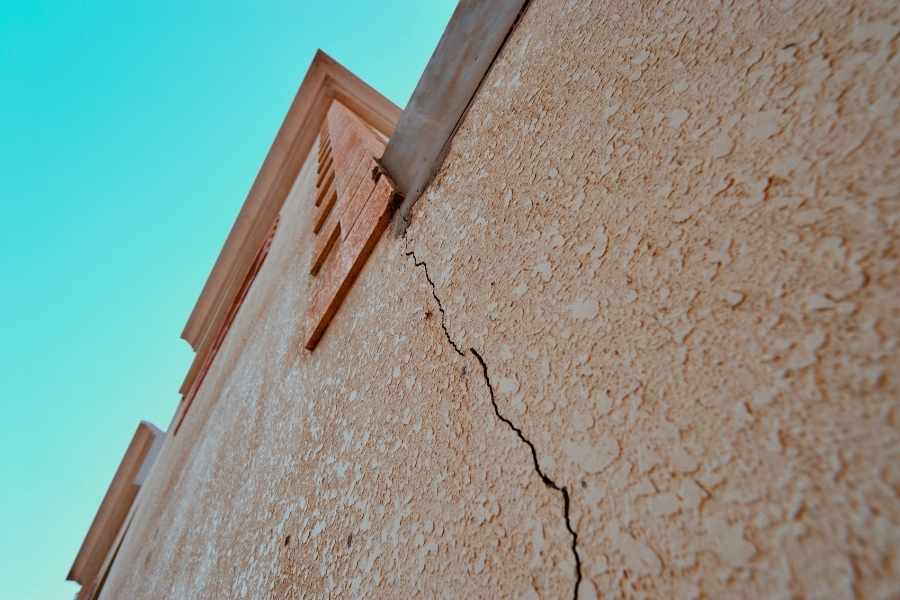
Signs of Wall Cracks in Round Rock Homes
Early Warning Signs
Hairline vertical cracks (<1/8 inch)
Minor stair-step cracks in block walls
Small gaps at stem wall seams
Advanced Symptoms
Horizontal cracks wider than 1/4 inch
Bowing or tilting walls
Cracks extending across multiple blocks
Interior drywall cracking above foundation walls
Local Patterns
In Round Rock, wall cracks often worsen after summer drought and again after heavy spring or fall rains, when soil pressure changes rapidly.
Inspect walls:
After extended dry periods
After major rain events
Before buying or selling property
When cracks suddenly change size
When Are Wall Cracks Serious?
Minor (Monitor)
Hairline cracks under 1/8 inch
No wall displacement
Action: Seal and monitor
Moderate (Schedule Repair)
Cracks 1/8–1/4 inch
Minor wall movement
Action: Professional inspection recommended
Severe (Immediate Attention)
Horizontal cracks
Bowing or tilting walls
Block displacement
Action: Immediate structural evaluation
Active vs. Stable
Mark crack ends and recheck monthly. In Round Rock, seasonal movement is common—but progressive widening means active pressure requiring repair.
EXCELLENTTrustindex verifies that the original source of the review is Google. Round Rock Foundation Repair Group did an amazing job Professional, fast, and thorough with fair pricing. Highly recommend.Posted on GoogleTrustindex verifies that the original source of the review is Google. Excellent servicePosted on GoogleTrustindex verifies that the original source of the review is Google. I had a great experience with Round Rock Foundation Repair Group! Their team was professional, knowledgeable, and explained everything clearly. They completed the work on time, and the results were excellent. My home feels much more stable now. I highly recommend them to anyone needing foundation repairs!Posted on GoogleTrustindex verifies that the original source of the review is Google. Excellent service. The staff were friendly and helpful. Highly recommendPosted on GoogleTrustindex verifies that the original source of the review is Google. I had a great experience with Round Rock Foundation Repair Group. They gave me a fair quote, didn’t try to upsell unnecessary work, and completed the repairs faster than expected. The team was courteous and clearly experienced. I feel confident in the quality of their work and would definitely call them again if needed.Posted on GoogleTrustindex verifies that the original source of the review is Google. Round Rock Foundation Repair Group did an excellent job on our foundation. They were professional, on time, and explained everything clearly. The work was solid, and we’re very happy with the results. Highly recommend!Posted on GoogleTrustindex verifies that the original source of the review is Google. Kangaroof provided outstanding service and quality work. Their efficiency and attention to detail made the entire process seamless. I highly recommend themVerified by TrustindexTrustindex verified badge is the Universal Symbol of Trust. Only the greatest companies can get the verified badge who has a review score above 4.5, based on customer reviews over the past 12 months. Read more
How to Fix Wall Cracks in Round Rock, TX
Wall Crack Repair
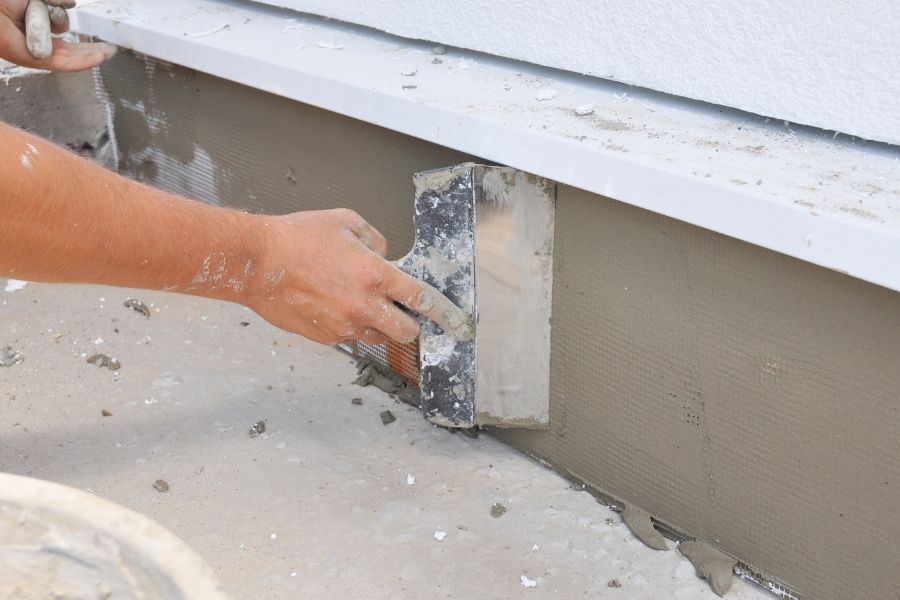
Epoxy or polyurethane injection seals stable cracks and prevents moisture intrusion.
Wall crack repair services
Structural Repair
For bowing walls or horizontal pressure cracks, reinforcement systems and structural correction are required.
Structural repair solutions
Foundation Inspection
Professional inspections identify whether cracks are cosmetic or structural.
Foundation inspections
Most wall cracks in Round Rock require professional evaluation to determine whether soil pressure, settlement, or drainage issues are driving the damage.
Preventing Wall Cracks in Round Rock Homes
Maintain consistent soil moisture during drought
Ensure proper drainage away from foundation walls
Keep gutters and downspouts clear
Avoid excessive soil buildup against walls
Inspect walls annually after summer drought
Address small cracks early before pressure increases
Preventive care significantly reduces long-term structural risk.
Wall Crack Repair Cost in Round Rock, TX
Minor crack repair: $500–$1,500
Moderate wall reinforcement: $2,500–$6,000
Major structural repair: $7,000–$15,000+
Cost factors include:
Crack orientation (vertical vs. horizontal)
Wall material (block vs. poured concrete)
Soil pressure severity
Drainage conditions
Early repair is far less costly than delayed structural correction.
Wall Cracks in Round Rock Neighborhoods
Brushy Creek & Tech Ridge
Deeper clay soils increase lateral pressure on foundation walls.
Cedar Park & Georgetown
Older block foundations show higher rates of horizontal cracking.
Homes in these areas should receive regular foundation and wall inspections.
When to Call for a Wall Crack Inspection
Schedule a professional inspection if you notice:
Horizontal or widening cracks
Bowing or tilting walls
Cracks larger than 1/4 inch
New cracks after drought or heavy rain
Round Rock Foundation Repair Group provides free, no-obligation inspections throughout Round Rock, identifying whether wall cracks are cosmetic or structural and recommending the correct solution.
Frequently Asked Questions About Wall Cracks in Round Rock, TX
Are wall cracks serious in Round Rock homes?
Some wall cracks are cosmetic, but horizontal cracks or bowing walls often indicate structural pressure requiring professional repair.
What causes wall cracks in Round Rock, TX?
Expansive clay soil, drought-rain cycles, lateral soil pressure, and drainage issues are the primary causes.
How much does wall crack repair cost in Round Rock?
Costs range from $500 to $15,000+, depending on severity and whether structural reinforcement is required.
Will wall cracks get worse over time?
Yes. Round Rock’s soil movement makes untreated cracks progressively worse.
Does insurance cover wall crack repairs?
Typically no, unless damage is caused by a covered event like plumbing failure.
Can I sell a house with wall cracks in Round Rock?
Yes, but disclosure is required and buyers often request inspection or repair.
If you’re seeing wall cracks in your home or building, early evaluation is the best way to prevent structural damage. Round Rock Foundation Repair Group offers comprehensive wall crack evaluations designed specifically for Round Rock’s soil and climate conditions. Contact us today to schedule your free wall crack inspection and protect your foundation.