You might notice small clues—like cracks in drywall, doors that stick, or uneven floors—that point to a bigger foundation problem in Round Rock.
If you spot these signs, get a professional inspection quickly because early fixes cost less and protect your home’s value.
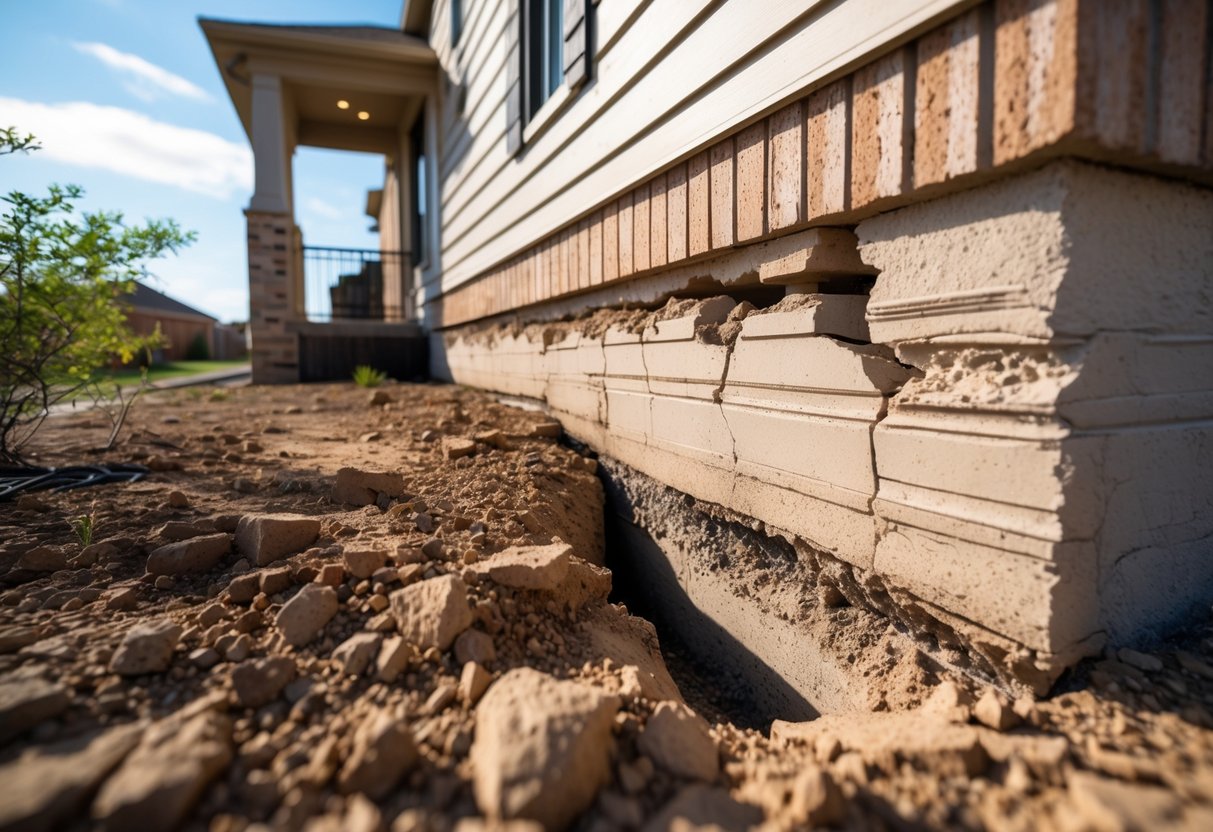
Round Rock’s clay soils and seasonal moisture swings make foundation issues common.
Knowing what to watch for saves time and money.
This guide shows the key warning signs, what likely causes them, and what professionals will do to fix the problem.
You can decide what to do next.
Key Takeaways
- Watch for visible cracks, sticking doors, and sloping floors as early warning signs.
- Local soil and moisture changes often drive foundation movement.
- Get a professional inspection promptly to limit cost and damage.
Critical Signs Your Home Foundation Needs Repair in Round Rock, TX
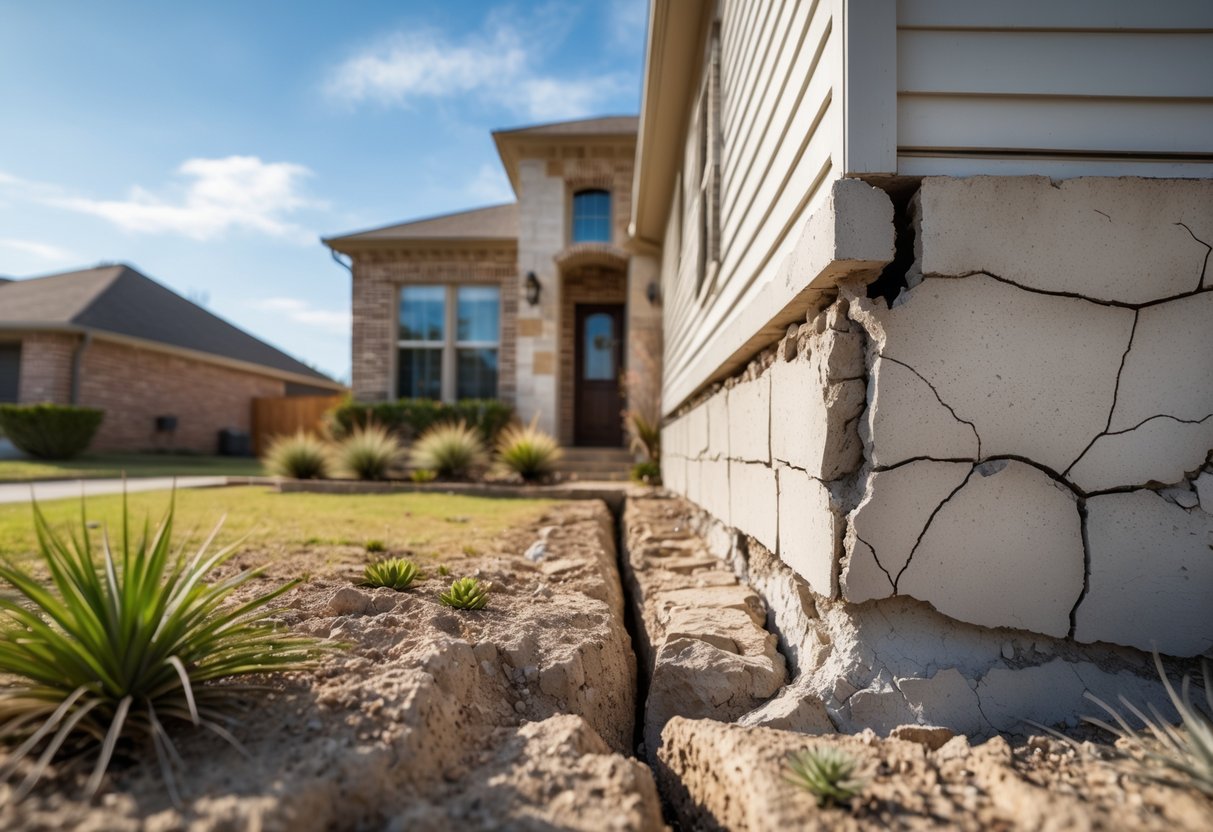
You may notice small changes at first that point to bigger foundation trouble.
Pay attention to cracks in walls or the foundation, floors that slope or feel uneven, and doors or windows that suddenly stick or won’t close properly.
Cracks in Walls and Foundations
Small hairline cracks in drywall near windows or doors are common, but certain patterns matter.
Vertical hairline cracks under 1/8 inch often come from normal settling.
Watch for horizontal cracks in basement or foundation walls and wide vertical cracks over 1/4 inch.
These signal structural cracks and possible foundation settlement in your concrete slab foundation.
Bowed walls or stair-step cracks in brick indicate lateral soil pressure or shifting.
Take photos, measure crack width, and mark the ends to track growth over weeks.
If cracks widen, run diagonally, or show separation between wall and floor, call a foundation pro for an inspection.
Uneven or Sloping Floors
You can sense uneven floors when furniture rocks, toys roll downhill, or you notice a slope walking across a room.
Sloping floors often mean the slab is settling unevenly or piers under a pier-and-beam home are failing.
Use a level or a marble to find the slope and measure how many inches drop over a distance.
Even small changes matter in Round Rock because clay soils and moisture shifts can worsen settlement.
If multiple rooms show different floors angles, plan for a structural evaluation to determine if slab jacking, underpinning, or pier repair is needed.
Sticking Doors and Windows
Doors and windows that suddenly stick, jam, or leave gaps often reflect foundation movement.
You might see a gap at the top of the door, or a window that won’t latch.
These changes happen when frames twist as walls shift.
Check multiple openings: if several doors or windows bind in the same direction, that points to overall foundation shift rather than a single warped frame.
Note whether trim splits or there are new nail pops nearby.
If you see persistent binding or frames pulling away from masonry, schedule a professional check for foundation problems.
Underlying Causes and Professional Solutions for Foundation Issues
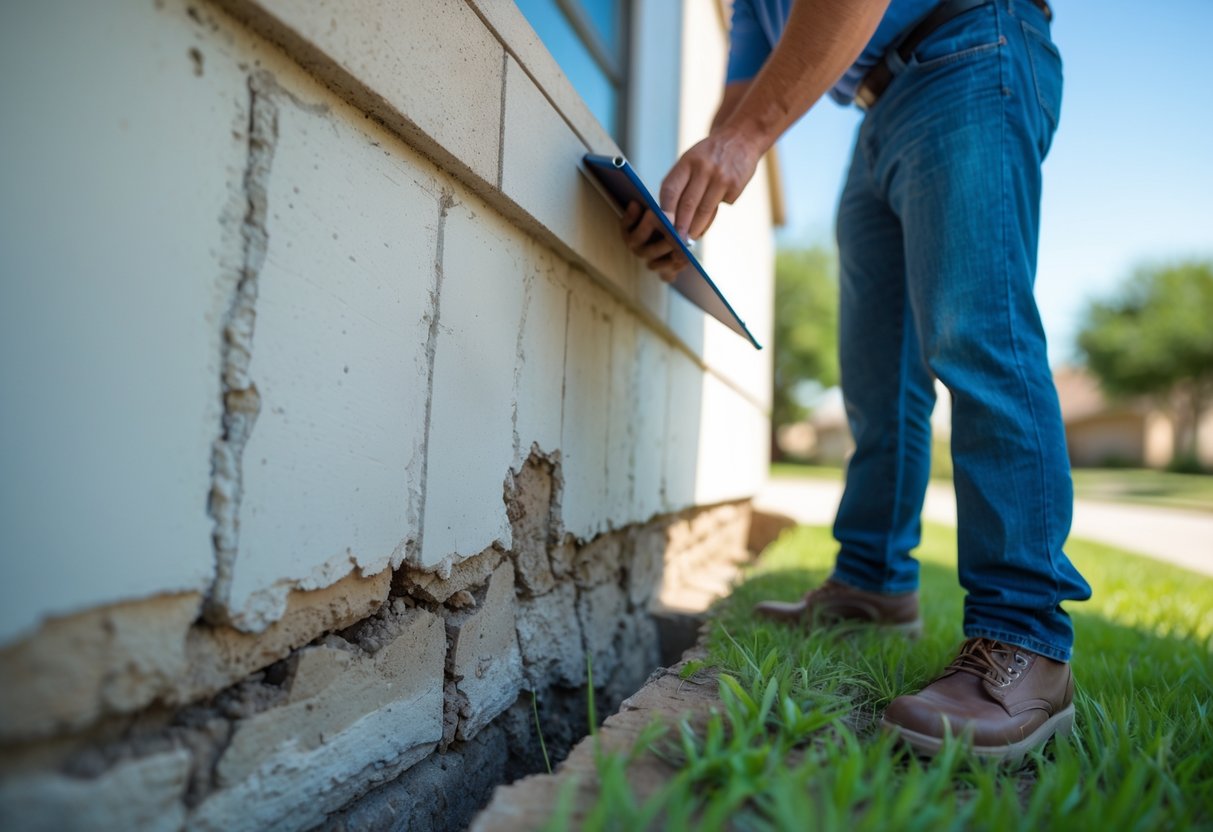
You will learn why foundations shift in Round Rock and what professionals can do.
Expect clear causes like expansive clay and practical fixes such as piers, anchors, and waterproofing.
Expansive Clay Soil and Soil Movement in Round Rock
Round Rock sits on expansive clay that swells when wet and shrinks when dry.
That movement lifts and drops footings, causing wall cracks, sticking doors, and uneven floors.
Check your yard grading and downspouts first.
Poor grading or concentrated roof runoff makes clay wetter near the foundation and speeds damage.
Look for horizontal cracks near corners and stair-step cracks in brick veneer; those often signal soil-driven movement.
Control moisture to slow further damage: keep gutters clean, extend downspouts at least 4–6 feet, and maintain steady irrigation.
These steps don’t fix settled footings but reduce ongoing soil movement while you plan repairs.
Importance of Professional Foundation Inspection
You should hire a certified foundation specialist or structural engineer to diagnose causes and map repairs.
Professionals measure settlement, inspect crawlspaces and slabs, and test soil where needed.
A full inspection produces a written report with recommended fixes, cost estimates, and a repair plan.
Engineers can stamp drawings for permits when large fixes like underpinning or helical piers are needed.
Bring photos of cracks and a record of past repairs or plumbing leaks to your inspection.
That helps the inspector link symptoms to causes and avoid unnecessary work or misdiagnosis.
Choosing Professional Foundation Repair Services
Pick a contractor with local Round Rock experience, positive references, and proper licensing.
Look for certifications like Certified Foundation Specialist and clear warranties on labor and materials.
Compare multiple bids that include: scope of work, types of solutions (helical piers, wall anchors, exterior waterproofing), timeline, and itemized foundation repair cost.
Avoid vague proposals that lack engineering involvement for major underpinning.
Ask about specific solutions: helical piers for deep support, wall anchors for lateral soil pressure, and exterior waterproofing to control moisture.
Verify insurance, request references, and get a written contract before work begins.
Frequently Asked Questions
What are the common signs of foundation damage in a house?
Look for cracks in exterior brick or interior drywall that widen over time.
Doors or windows that stick or do not close squarely can show your foundation has shifted.
Notice uneven or sloping floors and gaps between trim and walls.
Water pooling near the foundation or new mold in the crawl space also signals trouble.
Can climate in Round Rock, TX, affect my home foundation, and how?
Yes.
Round Rock has clay-rich soil that swells with heavy rain and shrinks in drought.
This movement can lift or settle parts of your foundation, causing cracks and misalignment.
Seasonal swings in moisture levels make problems repeat if you don’t manage drainage.
Keep gutters, downspouts, and grading working to reduce soil movement near your foundation.
How do I know if the cracks in my walls indicate serious foundation problems?
Horizontal cracks, stair-step cracks in brick, and cracks wider than 1/4 inch are more serious signs.
Small hairline cracks in drywall often come from normal settling and are less urgent.
If cracks grow over weeks or months, or doors and windows near them stop working, treat them as serious.
Photograph and measure cracks to track change before calling a pro.
What are the implications of postponing foundation repairs for my home?
Delaying repairs can make cracks and settling worse, raising repair costs later.
You may face higher risks to structural components, doors, floors, and masonry.
Water intrusion and mold can increase with time, harming indoor air quality and finishes.
Property value can drop if visible foundation issues remain unaddressed.
What steps should I take to assess the severity of my foundation issues?
Start by documenting visible signs: take photos, note locations, and measure crack widths.
Check for sticking doors, uneven floors, and water near the foundation.
Hire a licensed foundation contractor or structural engineer for a formal inspection.
They can diagnose causes, show extent of movement, and recommend repair options.
Are there specific foundation repair methods preferred in the Round Rock region?
Yes. Contractors often use drilled piers or push piers to stabilize settled foundations in clay soils.
For pier-and-beam homes, they commonly add jack posts or sister beams to restore level and support.
Crack sealing and improving drainage around the house are frequent complementary steps.