
Pier and beam foundations are a common construction method throughout Georgetown, TX, particularly in older homes built before the 1970s and in areas where expansive clay soils make slab foundations more vulnerable. This type of foundation uses a series of piers — either wood posts, concrete columns, or steel supports — to elevate a home above the ground, with beams spanning between them to carry the floor structure. When these components deteriorate, shift, or fail, the entire structure above is at risk.
At Round Rock Foundation Repair Group, we specialize in diagnosing and repairing pier and beam foundations throughout Georgetown and the surrounding Central Texas region. Georgetown’s unique combination of Austin Chalk bedrock, shrink-swell clay soils, and significant seasonal rainfall fluctuations creates specific stress patterns that require local expertise to address properly. Our team understands the soil profiles, neighborhood construction histories, and building codes specific to Williamson County — giving homeowners and commercial property owners the targeted solutions they need at transparent, fair pricing.
Understanding Pier and Beam Foundation Repair in Georgetown, TX
Pier and beam construction — sometimes called post and beam or crawl space foundation construction — was the dominant residential building method across Central Texas from the late 1800s through roughly the 1960s. Homes are elevated 18 to 36 inches above grade, resting on a grid of piers set into the soil or bedrock, connected by wood or steel beams, and topped with a subfloor system. This design allows for airflow beneath the home, easy access to plumbing and electrical systems, and some degree of natural adjustment as soils shift.
Georgetown was incorporated in 1848 and grew steadily through the 20th century. Many homes in the historic downtown area near the Williamson County Courthouse Square — some dating to the 1880s and 1890s — were built on pier and beam systems using hand-cut limestone piers or stacked masonry columns. These original piers were designed for the loads and materials of their era. As homes were expanded, updated with heavier appliances, or subjected to decades of soil movement, those original structural elements have increasingly shown their age.
Read moreShow less
The crawl space beneath a pier and beam home is both its greatest advantage and its most common vulnerability. Moisture, pests, rot, and soil erosion all occur in crawl spaces, often undetected for years. Wood beams absorb moisture from Georgetown’s humid summers and can begin to soften, warp, or host mold colonies. Wood piers are especially susceptible to termite damage — a significant concern in Williamson County, which falls in the highest termite pressure zone (Zone 1) per the International Residential Code map. Concrete piers can crack or spall when soil beneath them erodes or when expansive clay contracts during drought conditions.
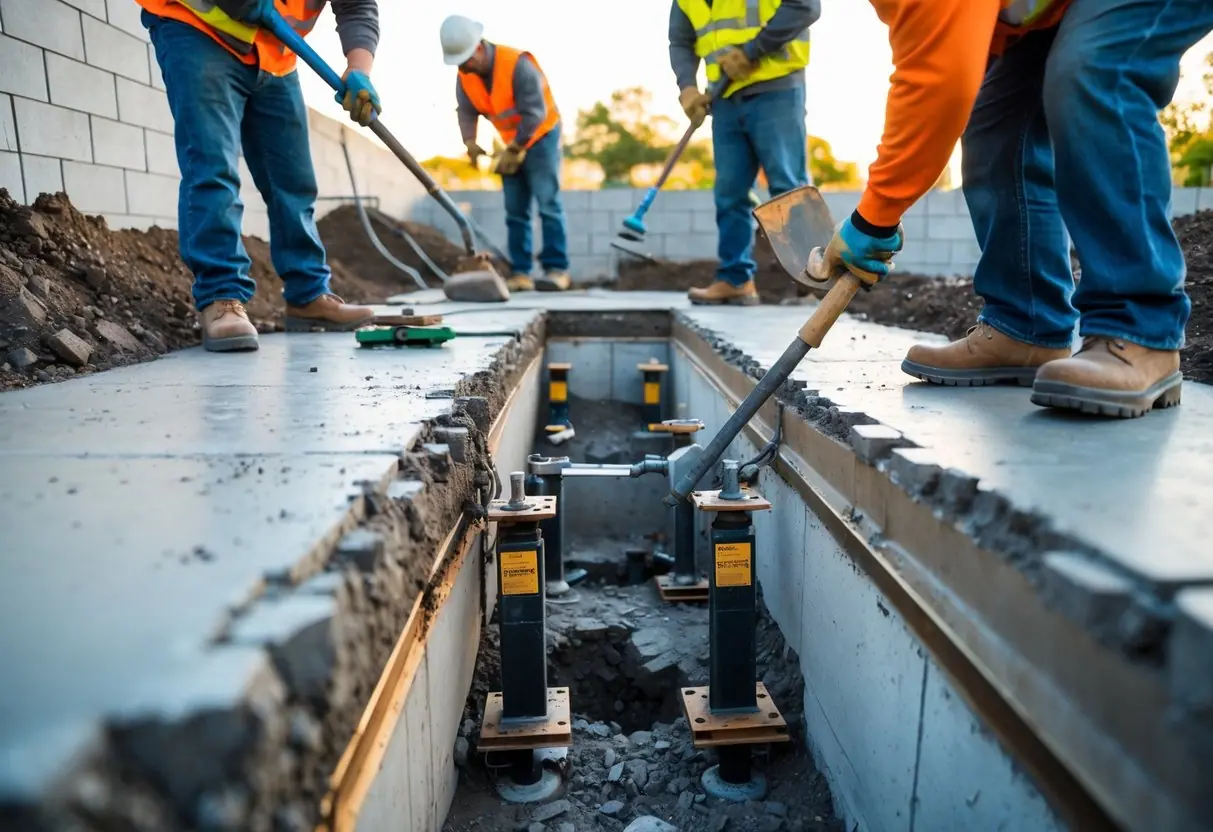
Pier and beam repair encompasses a range of interventions — from sistering damaged beams and replacing rotted wood piers to installing new concrete or steel piers, shimming settled supports, and encapsulating crawl spaces to control moisture. The right approach depends entirely on the condition of existing materials, soil conditions, and the structural demands of the home above. Understanding these variables is the foundation — literally — of accurate cost estimation and lasting repair.
Why Pier and Beam Foundation Repair Is Needed in Georgetown, TX
Georgetown sits at the geological transition zone between the Edwards Plateau to the west and the Blackland Prairie to the east. This boundary runs roughly along the IH-35 corridor — meaning that neighborhoods on the east side of Georgetown, such as Teravista and Wolf Ranch, sit primarily on heavy, dark Vertisol clay soils (specifically Houston Black and Austin series clays), while neighborhoods to the west and northwest, including Sun City Georgetown and Berry Creek, encounter more Austin Chalk and limestone-based soils. This geological variation means foundation behavior — and repair needs — differ significantly even within the same city.
Vertisol clays are notorious for their shrink-swell behavior. During Georgetown’s wet seasons, particularly the spring months that typically bring 4 to 5 inches of rainfall in April and May, these soils absorb water and expand dramatically — exerting upward and lateral pressure on foundation elements. During extended dry periods, such as the record-setting drought of 2011, when Williamson County recorded less than 14 inches of rain for the entire year (compared to a normal 35 inches), the same soils contract and pull away from foundation perimeters. This cycle, repeated season after season for decades, causes piers to rock, tilt, and sink differentially — meaning one side of a home can drop while another stays level, causing the classic “racking” effect that twists door frames and cracks interior walls.
Read moreShow less
Flooding events also play a significant role. Georgetown lies near the South Fork of the San Gabriel River and multiple tributary drainages. Major rainfall events — including the Memorial Day floods of May 2015 and the October 2018 flooding that affected parts of Williamson County — saturated soils around and beneath pier and beam homes to depths of several feet. When saturated soils soften, piers that were previously stable can punch through their bearing zone, causing sudden and significant settlement of several inches in localized areas.
Older neighborhoods near downtown Georgetown, particularly those along West University Avenue and the streets immediately surrounding Southwestern University, contain a high concentration of pre-1950 pier and beam homes. Many of these properties have original wood piers and beams that are now 70 to 100 years old. Wood deterioration accelerates when crawl spaces are poorly ventilated — a common condition in homes where skirting was added decoratively but without adequate ventilation openings. The combination of Georgetown’s average summer relative humidity exceeding 65% and temperatures that regularly exceed 100°F creates ideal conditions for wood rot and fungal growth within crawl spaces.
Georgetown’s rapid population growth — the city was recognized as one of the fastest-growing cities in the United States multiple years running through the 2010s — has also increased the frequency of nearby construction vibration, utility work, and water main breaks. The aging water infrastructure in older Georgetown neighborhoods has contributed to localized soil saturation events that destabilize existing pier and beam systems beneath adjacent homes.
Free, no-obligation estimates
Talk to Round Rock Foundation Repair Group
Tell us what you need and we’ll take it from there.
Signs You Need Pier and Beam Foundation Repair in Georgetown
Interior Warning Signs
- Doors and windows that stick, jam, or no longer latch properly — especially sudden changes that appeared after a wet or dry season
- Visible gaps between interior walls and the ceiling or floor
- Sloping, bouncy, or soft spots in the floor — a key indicator of beam or pier failure
- Cracks in drywall or plaster, particularly diagonal cracks radiating from door and window corners
- Floors that visibly slope more than 1 inch per 8 feet (easily detected by rolling a ball across the room)
Exterior and Crawl Space Warning Signs
- Visible gaps between the home’s skirting or trim and the ground level
- Cracked, tilted, or missing piers visible in the crawl space
- Standing water or persistent moisture in the crawl space
- Soft, discolored, or visibly rotted wood beams or subfloor decking
- Evidence of termite tunneling or wood-boring insect damage on structural members
- Musty or moldy odors emanating from floor vents or crawl space access points
Urgency Indicators
If you notice floor deflection exceeding 1.5 inches across a room span, hear cracking sounds when walking across the floor, or observe a pier that has visibly shifted or collapsed, treat these as urgent conditions requiring immediate inspection. Do not delay — progressive failure in a pier and beam system can rapidly escalate repair costs.
Pier and Beam Repair Methods Used in Georgetown, TX
Wood Pier Replacement
Original wood posts are removed and replaced with pressure-treated lumber or concrete alternatives. This is the most common repair in pre-1960 Georgetown homes along the University Avenue corridor and the historic downtown blocks where original materials have simply reached the end of their service life. New posts are set on concrete pads to prevent direct soil contact.
Concrete Pier Installation
Where soil conditions require deeper bearing — common on Georgetown’s eastern Vertisol clay zones — new concrete piers are bored to depths of 10 to 20 feet to reach stable soil or bedrock. This method is preferred for homes that have experienced repeated settlement cycles tied to seasonal moisture changes. Concrete Foundation Repair Services
Steel Pier Systems
Driven or helical steel piers are used when load capacity requirements are high or when access limitations prevent conventional drilling. Helical piers are particularly effective in Georgetown’s limestone-underlain western neighborhoods where torque monitoring can confirm bearing capacity at precise depths.
Beam Sistering and Replacement
When primary load-bearing beams are damaged by rot, moisture, or termites but structurally salvageable, new lumber is fastened alongside existing beams to restore full capacity. Severely compromised beams are fully replaced with engineered lumber or LVL (laminated veneer lumber) products for superior long-term performance. Structural Foundation Repair Services
Shimming and Re-leveling
In cases where piers are structurally sound but have experienced minor differential settlement, steel or hardwood shims are placed between pier tops and beams to restore levelness. This is a cost-effective solution commonly applied in Georgetown’s Sun City retirement community, where homes built in the 1990s and 2000s may experience minor settling of original concrete block piers.
Pier and Beam Foundation Repair Cost in Georgetown, TX
The cost of pier and beam foundation repair in Georgetown, TX varies considerably based on the extent of damage, the repair method required, and the accessibility of the crawl space. Understanding typical price ranges helps homeowners budget appropriately and avoid being caught off guard.
Typical Cost Ranges
- Basic shimming and re-leveling (minor settlement): $1,500 – $4,000
- Wood pier replacement (per pier): $150 – $400 per pier; full-home replacement typically $3,000 – $8,000
- Beam sistering or partial beam replacement: $2,000 – $6,000 depending on linear footage
- Full beam replacement with new piers: $8,000 – $20,000+ for whole-home repairs
- Concrete or steel pier installation: $1,000 – $3,000 per pier installed
- Crawl space encapsulation (added to structural repairs): $3,000 – $8,000 depending on square footage
- Complete pier and beam system overhaul (large or severely damaged homes): $20,000 – $40,000
Read moreShow less
Georgetown-Specific Cost Factors
Homes in Georgetown’s historic downtown district may incur additional costs for careful material handling to avoid damaging period-appropriate detailing. Properties in floodplain-adjacent areas near the San Gabriel River may require additional drainage and waterproofing components. Permit fees through the City of Georgetown’s Building Department typically add $200 – $600 to project costs. Soil access challenges — including Georgetown’s prevalent limestone rock ledges in western neighborhoods — can increase drilling time and per-pier costs by 20–35%.
View Full Foundation Repair Cost Guide | Get a Free Inspection Estimate
Georgetown Neighborhoods We Serve
Historic Downtown Georgetown
Homes surrounding the Williamson County Courthouse Square and along West 7th Street, West University Avenue, and Rock Street include some of Georgetown’s oldest pier and beam structures — many built between 1885 and 1940. These homes commonly have original limestone block or wood post piers and need careful assessment to determine what can be saved versus what must be replaced.
Teravista
This master-planned community on Georgetown’s east side, developed primarily in the 2000s, sits on heavy Blackland clay. Even newer pier and beam homes here experience significant seasonal movement and differential settlement, requiring concrete or steel pier solutions that reach below the active clay zone. Foundation Repair in Round Rock, TX
Sun City Georgetown
Del Webb’s Sun City community, developed from the mid-1990s onward, contains a mix of slab and pier and beam homes on mixed soil profiles. Original concrete masonry block piers in older Sun City homes show signs of cracking and settlement and benefit from shimming or supplemental pier installation.
Berry Creek
Located in northwest Georgetown with significant limestone bedrock exposure, Berry Creek homes often encounter rock during pier drilling. Our helical pier systems are well-suited for this neighborhood’s soil and rock profile, providing reliable bearing without the need for excessive excavation.
Pier and Beam Foundation Maintenance Tips for Georgetown Homeowners
- Control moisture around your foundation perimeter. Maintain gutters and downspout extensions so water discharges at least 6 feet from the foundation. Georgetown’s spring rainfall can deliver 2 to 3 inches in a single storm event.
- Water your foundation perimeter during drought. Use a soaker hose 18 inches from the home’s perimeter during extended dry stretches — Georgetown summers regularly exceed 90 days without meaningful rainfall.
- Inspect your crawl space annually. Check for moisture, visible wood damage, and pest activity every spring before Georgetown’s humid season intensifies.
- Maintain crawl space ventilation. Ensure vents are open, unobstructed, and provide at least 1 square foot of vent area per 150 square feet of crawl space per IRC code minimums.
- Monitor for termite activity. Georgetown falls in the highest termite pressure zone. Maintain annual termite inspection agreements with a licensed pest control provider.
- Keep vegetation away from the foundation. Tree roots from Georgetown’s native live oaks and cedar elms can displace soil and reach beneath piers — maintain a 3- to 5-foot planting buffer.
- Address plumbing leaks immediately. A slow leak beneath a pier and beam home can saturate soils and cause rapid, localized pier settlement.
- Document floor slope measurements annually. Note any changes in door operation or visible floor slopes between inspections so you can track any progression.
Why Choose Round Rock Foundation Repair Group for Georgetown Pier and Beam Repair
Round Rock Foundation Repair Group has built its reputation by focusing exclusively on Central Texas — the specific soils, climate patterns, and construction histories of communities like Georgetown, Round Rock, Cedar Park, and Austin. We are not a national franchise applying generic solutions; we are a regional team with hands-on knowledge of Georgetown’s Williamson County soil surveys, the city’s building permit process, and the specific failure patterns seen in both historic and modern pier and beam homes throughout the area.
Our technicians enter every crawl space personally and document findings with photographs provided to every client. We present clear, itemized repair proposals so you understand exactly what is being done and why. We never recommend more work than your home requires.
Read moreShow less
We serve Georgetown homeowners as well as commercial property owners throughout Williamson County. Whether you own a 1920s craftsman bungalow near Southwestern University or a 2005-era pier and beam home in Teravista, we have the experience and equipment to deliver lasting results.
Commercial Foundation Repair Services | Foundation Restoration Services
Call us at (512) 220-3502 to speak with a Georgetown foundation specialist today.
FAQ
Frequently Asked Questions: Pier and Beam Foundation Repair Cost in Georgetown, TX
How much does pier and beam foundation repair cost in Georgetown, TX?
Costs range from approximately $1,500 for minor shimming and re-leveling to $40,000 or more for a complete system overhaul on a large home with severe damage. Most Georgetown homeowners with moderate foundation issues spend between $5,000 and $15,000. The best way to get an accurate estimate is through an on-site inspection, which accounts for your specific soil conditions, home size, and the extent of structural damage.
How long does pier and beam foundation repair take in Georgetown?
Simple repairs such as shimming or replacing a few wood piers can often be completed in one to two days. More extensive repairs involving concrete or steel pier installation, beam replacement, and crawl space encapsulation typically take three to seven days. Permit processing through the City of Georgetown may add three to ten business days before work can begin on permitted projects.
Does Georgetown’s soil type affect repair costs?
Yes, significantly. Homes on Georgetown’s eastern Vertisol clay soils often require deeper concrete or steel pier installation to reach stable bearing zones below the active clay layer — typically 10 to 20 feet. This increases per-pier costs compared to homes on the more stable limestone soils in western Georgetown, where rock can provide bearing at shallower depths.
Is pier and beam foundation repair covered by homeowners insurance in Texas?
Standard homeowners insurance policies in Texas generally exclude foundation damage caused by soil movement, settlement, or drought — all common causes in Georgetown. Coverage may apply if damage results from a sudden, accidental event like a burst pipe that caused soil erosion. We recommend reviewing your policy and speaking with your insurance agent. We can provide detailed documentation of damage findings to support any insurance inquiry.
What is the difference between shimming and full pier replacement?
Shimming involves inserting tapered steel or hardwood shims between an existing structurally sound pier and the beam above it to correct minor elevation differences. It is a cost-effective solution when piers are stable and only minor settlement has occurred. Full pier replacement is required when the existing pier is rotted, cracked, displaced, or lacks adequate bearing capacity. Our inspection determines which approach is appropriate for each pier in your home.
Can I stay in my home during pier and beam foundation repairs?
In most cases, yes. Pier and beam repair work is performed from below the home in the crawl space and generally does not require residents to vacate. Some floor vibration and noise should be expected. In rare cases involving extensive beam replacement where subfloor sections must be accessed from above, temporary relocation of furniture may be needed, but overnight displacement is rarely required.
How do I know if my Georgetown home’s pier and beam foundation needs repair or just maintenance?
Minor issues such as a slightly sticky door after an unusually wet or dry season may resolve on their own as soils rebound. However, if you are seeing floor slopes greater than 1 inch per 8 feet, diagonal wall cracks wider than 1/8 inch, or visible deterioration of wood components in the crawl space, professional repair — not just maintenance — is indicated. An inspection is the only reliable way to distinguish between the two. Foundation Patching Services
Do you serve areas outside of Georgetown proper?
Yes. We serve Georgetown and surrounding communities throughout the region, including Round Rock, Cedar Park, Austin, Pflugerville, Brushy Creek, Tech Ridge, Wells Branch, Jollyville, Avery Ranch, Great Hills, Anderson Mill, Mayfield Ranch, Forest Creek, Behrens Ranch, Sendero Springs, Paloma Lake, La Frontera, Teravista, and Cat Hollow. View All Service Areas
Get Your Georgetown Pier and Beam Foundation Repair Estimate Today
If you are concerned about your pier and beam foundation in Georgetown, TX — whether you have noticed sloping floors, sticking doors, or visible damage in your crawl space — the right next step is a professional inspection. Round Rock Foundation Repair Group provides thorough, no-pressure assessments with honest, itemized repair proposals tailored to Georgetown’s specific soil conditions and your home’s unique situation.
We serve Georgetown and all surrounding communities throughout Williamson and Travis Counties. Do not let foundation problems grow more expensive by waiting — early intervention consistently results in lower repair costs and better long-term outcomes.
Call us now at (512) 220-3502 to speak directly with a Georgetown foundation specialist, or visit our website to request your inspection appointment online. We look forward to helping you protect your home.
Request a Free Foundation Inspection | Home Foundation Repair Services
Get in touch
Find foundation repair help near you
Request a free estimate online or give us a call — our team will follow up quickly.
- Call us(512) 220-3502
- Visit1 Chisholm Trail Rd suite 450 room j, Round Rock, TX 78681
- HoursMon-Sat: 7:00 am – 7:00 pm