You likely notice hairline cracks, sticking doors, or uneven floors and wonder why your foundation acts up in Central Texas. The main cause is the region’s expansive clay soil that swells when wet and shrinks when dry, putting shifting pressure on foundations and causing cracks over time.
The soil’s wet-dry swings, plus nearby trees, plumbing leaks, and poor drainage or construction, create the stress that most often cracks foundations in Central Texas.
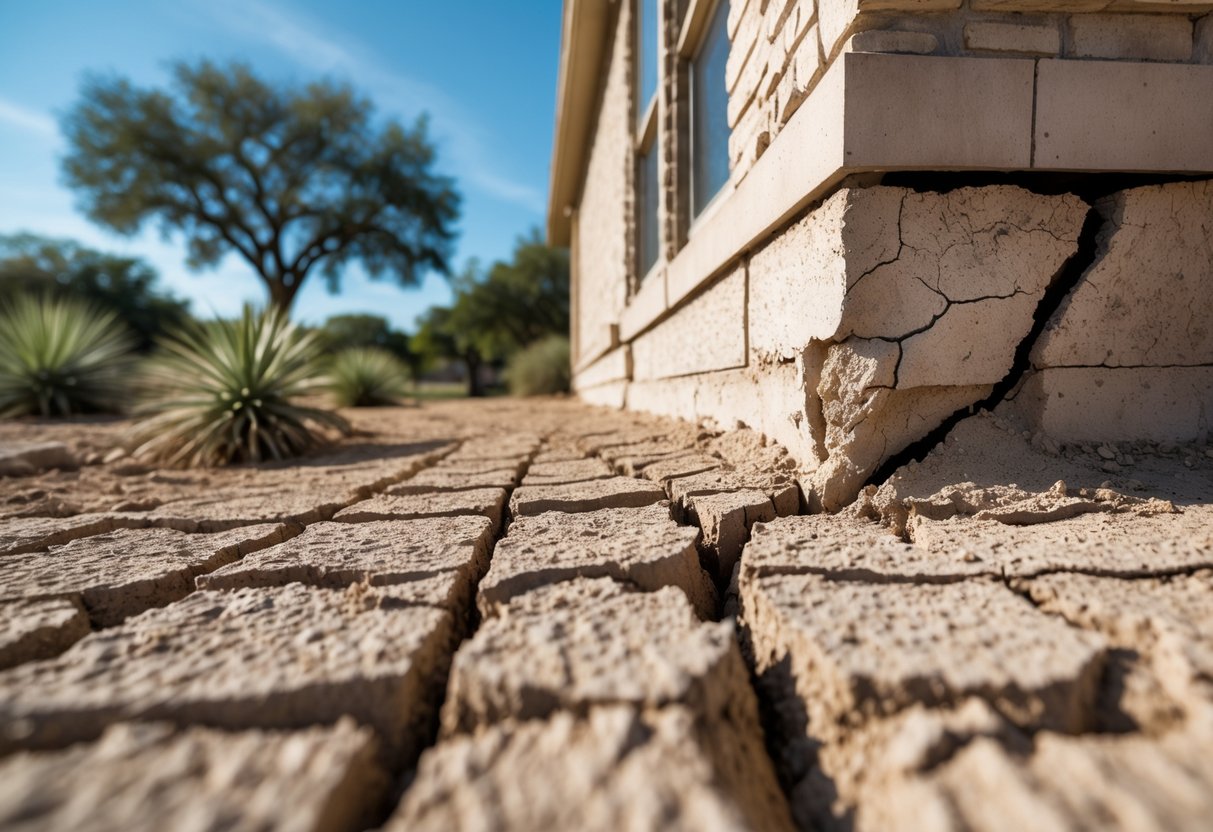
Take a moment to spot early signs so you can act before small cracks become big bills. This article shows what to look for, which causes matter most for your home, and what steps typically help stabilize a foundation.
Key Takeaways
- Expansive clay soil and moisture swings drive most foundation cracking.
- Trees, leaks, and drainage or construction issues can make cracking worse.
- Spotting early signs lets you choose the right fix sooner.
Core Causes of Foundation Cracks in Central Texas
You need to know the main drivers of foundation damage so you can spot risks and act early. The biggest issues are soil type, how the soil moves with moisture, and how water is managed around your home.
Expansive Clay Soils and Seasonal Moisture Changes
Central Texas sits on widespread expansive clay. This clay swells when wet and shrinks when dry.
Those shifts put direct pressure on slab foundations and pier-and-beam systems alike. When heavy rains saturate the soil, it expands and lifts parts of a slab.
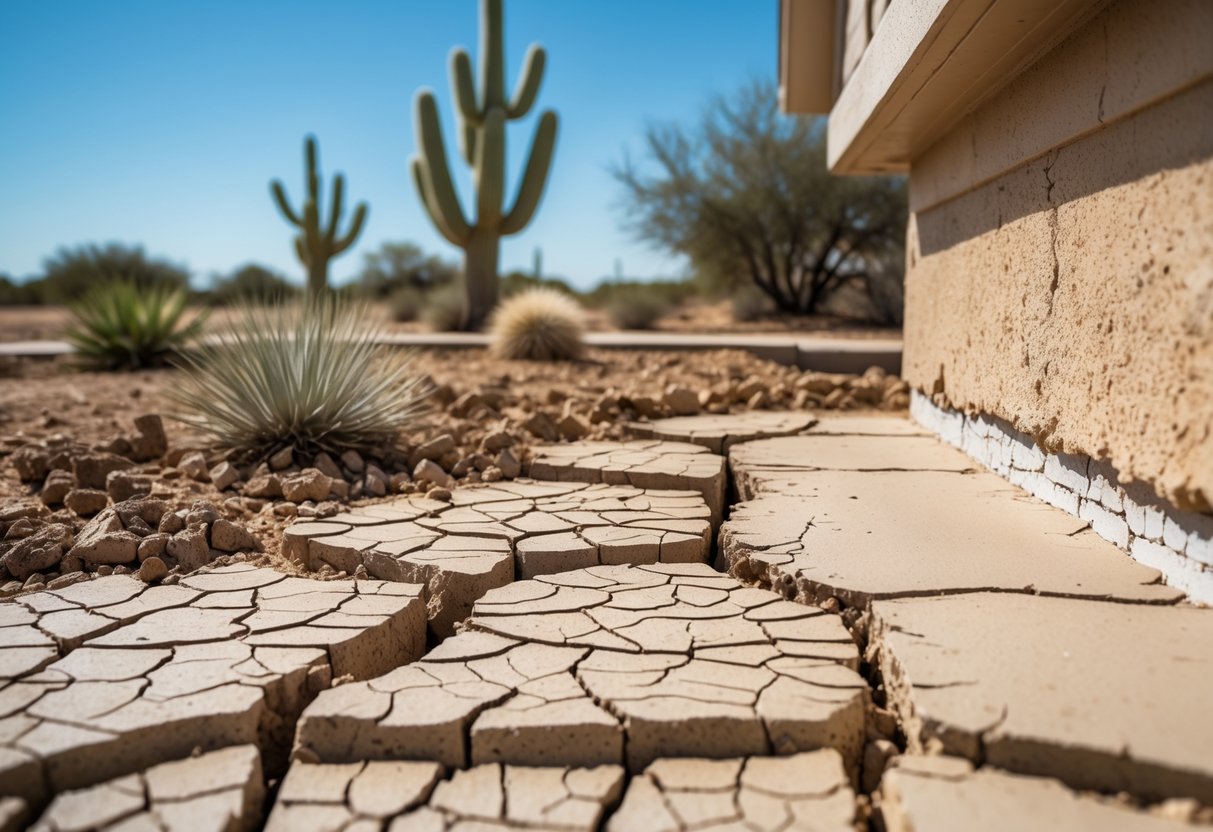
During drought or hot, dry seasons the clay contracts and leaves voids under the foundation. That cycle—soil expansion and contraction—causes cracks at weak points like control joints, corners, and where the slab meets walls.
You can see signs quickly: small hairline cracks that widen after a dry spell, sticking doors, or gaps between trim and walls. Pay attention to seasonal weather changes and consistent moisture levels near the foundation.
Soil Movement and Foundation Settlement
Soil movement does not always mean dramatic shifting. Differential settlement happens when some areas under the foundation compress more than others.
That uneven settling creates stress, and that stress shows up as diagonal or stair-step cracks. Loose fill, changes in groundwater, or nearby excavation amplify settlement.
If one side of your slab sinks faster, floors slope and wall cracks appear near load-bearing points. Pier and beam homes can show sagging joists or fractured piers from the same forces.
Inspect for patterns: cracks that run through brick mortar, uneven thresholds, and separated garage door frames often point to settlement caused by soil movement. Address the soil condition under specific foundation areas rather than treating the whole house at once.
Impact of Poor Drainage and Water Accumulation
Poor drainage directs water toward your foundation and makes expansive clay act up. Gutters and downspouts that overflow or dump water too close to the foundation cause repeated wetting.
That repeated wetting leads to localized swelling and then shrinking when it dries. Landscape grading that slopes toward the house, clogged gutters, and broken downspouts all worsen soil movement.
Water pooling near the slab increases the chance of cracks at joints and edges. For pier-and-beam foundations, persistent moisture can rot wood supports and shift bearing points.
Control water flow: keep gutters and downspouts clean and extend downspouts away from the foundation. Maintain a 5–10% slope away from the house for the first 5–10 feet.
These steps reduce soil moisture swings and cut the risk of foundation movement.
Other Contributing Factors and Recognizing Foundation Problems
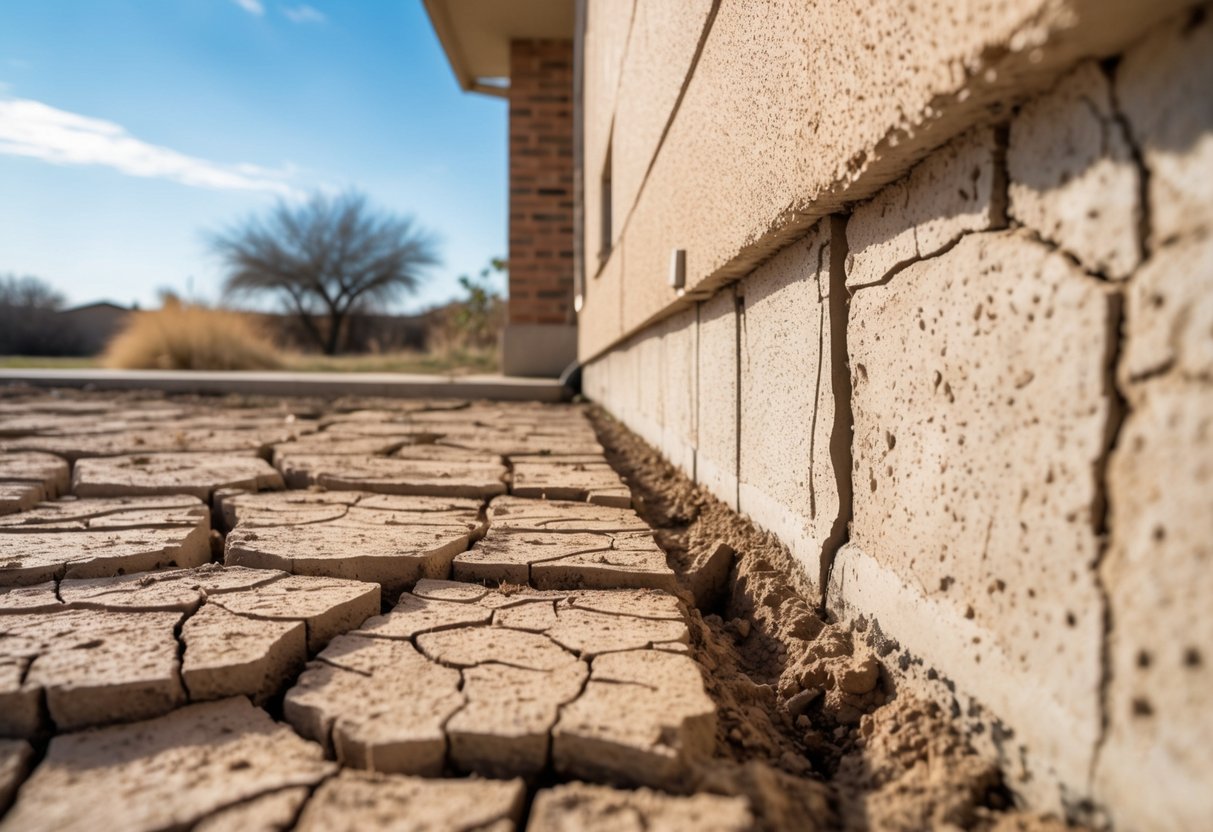
You should watch for nearby vegetation, hidden water, and clear signs like cracks or uneven floors. These issues can worsen foundation damage and help you decide when to call a professional for repair or a detailed inspection.
Tree Roots and Vegetation
Tree roots near your slab or foundation can pull moisture from soil and create voids under the concrete. In Central Texas, cedar, oak, and mesquite have aggressive roots that can grow under slabs and press against foundations.
Roots don’t usually crack concrete directly, but they change soil moisture and density, which leads to settlement and foundation cracks. Keep large trees at least 10–20 feet from your foundation when possible.
Remove or prune invasive roots only with professional help to avoid sudden soil shifts. Monitor nearby landscaping for new root growth and report changes to a foundation specialist if you see fresh cracks or shifting floors.
Plumbing Leaks and Underground Water
Hidden leaks from water or sewer lines can wash away supporting soil or saturate clay-rich Texas soils, causing the slab to settle or heave. Slow leaks under slabs often produce localized sinkholes or sudden small cracks in walls and floors.
Broken irrigation lines and blocked downspouts also raise moisture near the foundation and increase risk of uneven foundation movement. If you smell sewage or see wet spots, call a plumber quickly.
Use a moisture meter or thermal camera in crawlspaces and around utility penetrations. Fix drainage issues, repair pipe leaks under slab, and redirect roof runoff at least 6 feet from the foundation to protect foundation stability.
Identifying Common Signs of Foundation Problems
Look for horizontal or stair-step cracks in masonry, vertical cracks wider at one end, and cracks wider than 1/4 inch. Notice sticking doors and windows, gaps at baseboards, and sloping or uneven floors.
In Central Texas, seasonal soil shrink-swell often causes hairline cracks but repeated opening of doors or new large cracks indicate active movement and foundation damage. Measure crack width over time and take photos from the same angle monthly.
Check exterior grade; soil settled against walls and peeling brick are red flags. If you see multiple signs—especially new or growing cracks—schedule a professional inspection rather than waiting.
Foundation Repair Methods and Professional Assessment
A trained inspector will evaluate soil type, crack pattern, and interior signs before recommending repair. Common fixes include steel piers or piering for deep support, slab jacking (mudjacking) to lift settled concrete, and localized underpinning for isolated failures.
Steel piers are more durable where deep bearing strata exist; mudjacking suits small settled areas but may not address ongoing soil movement. Ask potential contractors for a written plan that lists method, timeline, warranty, and expected change in door/window operation.
Verify licensing, insurance, and local references from Texas homeowners. A proper professional inspection will include soil moisture checks, structural measurements, and a clear cost estimate for foundation repair or stabilization.
Frequently Asked Questions
What are common indicators of foundation problems in Central Texas homes?
Look for cracks in drywall or exterior brick, especially stair-step cracks in brick or diagonal cracks above windows.
Doors and windows that stick or gaps around frames also signal movement.
Uneven or sloping floors and visible separation between walls and floors mean settling or heave.
Keep note of new or growing cracks and when they appeared relative to dry or wet seasons.
Can weather conditions in Central Texas lead to foundation damage?
Yes. Long dry spells shrink clay soils and can cause settling.
Heavy rains after drought make the soil swell, which can lift or shift foundations.
Rapid swings between wet and dry seasons add stress to foundation materials.
Extended heat can also dry out soil near foundations faster if landscaping or irrigation is not managed.
What maintenance practices can reduce the risk of foundation cracking?
Keep soil moisture near the foundation steady by using drip irrigation or soaker hoses on a schedule.
Avoid planting large trees too close to the house; their roots can draw moisture from the soil.
Grade the yard so water runs away from the foundation and keep gutters clean.
Seal small cracks promptly to keep moisture and pests out.
How does soil composition in Central Texas affect a building’s foundation?
Many Central Texas soils contain expansive clay that swells when wet and shrinks when dry.
This movement applies pressure that can crack or shift foundations over time.
Loose or inconsistent fill under a slab also increases the chance of uneven settling.
Knowing your lot’s soil type helps choose the right foundation and mitigation steps.
At what point should a homeowner consider professional foundation repair?
Call a licensed foundation contractor if you see large horizontal cracks, wide stair-step cracks, or doors and windows that suddenly fail to open.
Also seek help if floors become noticeably uneven or if cracks keep widening.
Get a professional inspection before cosmetic repairs like repainting over cracks.
Early assessment can prevent more costly structural fixes later.
Are there any long-term solutions to prevent foundation damage in Central Texas?
Install foundation piers or helical anchors to stabilize and support settling foundations.
Use moisture-control systems, such as perimeter irrigation and proper grading, to limit soil movement.
Choose foundation types designed for expansive clay when building new homes.
Regular inspections and prompt repairs help extend the life of any solution.