If you spot new cracks, doors that stick, or uneven floors, act fast—these can mean serious foundation trouble in Round Rock’s shifting soil and weather.
Call a qualified foundation pro for an emergency inspection, then stabilize the structure with temporary shoring or waterproofing while you plan permanent repairs like piers or slab stabilization. Taking quick steps can reduce damage and lower repair costs.
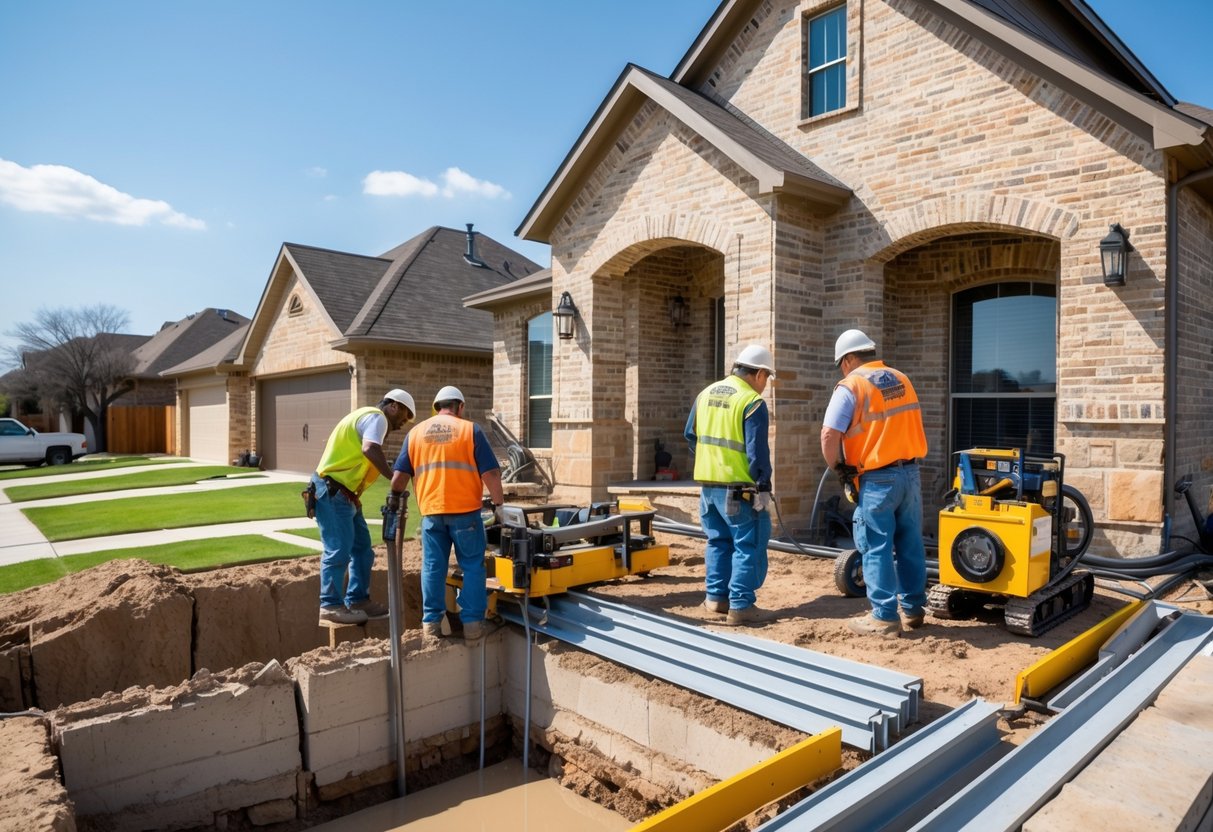
You’ll learn how to spot the most urgent signs, what immediate fixes crews use on emergency calls, and which permanent solutions work best in Round Rock.
This guide helps you decide when to call for help and what to expect from the repair process so you can protect your home and your budget.
Key Takeways
- Spot urgent signs early to avoid bigger damage.
- Use temporary stabilization while arranging permanent repairs.
- Choose repair methods suited for Round Rock soil and conditions.
Recognizing Emergency Foundation Issues in Round Rock, TX
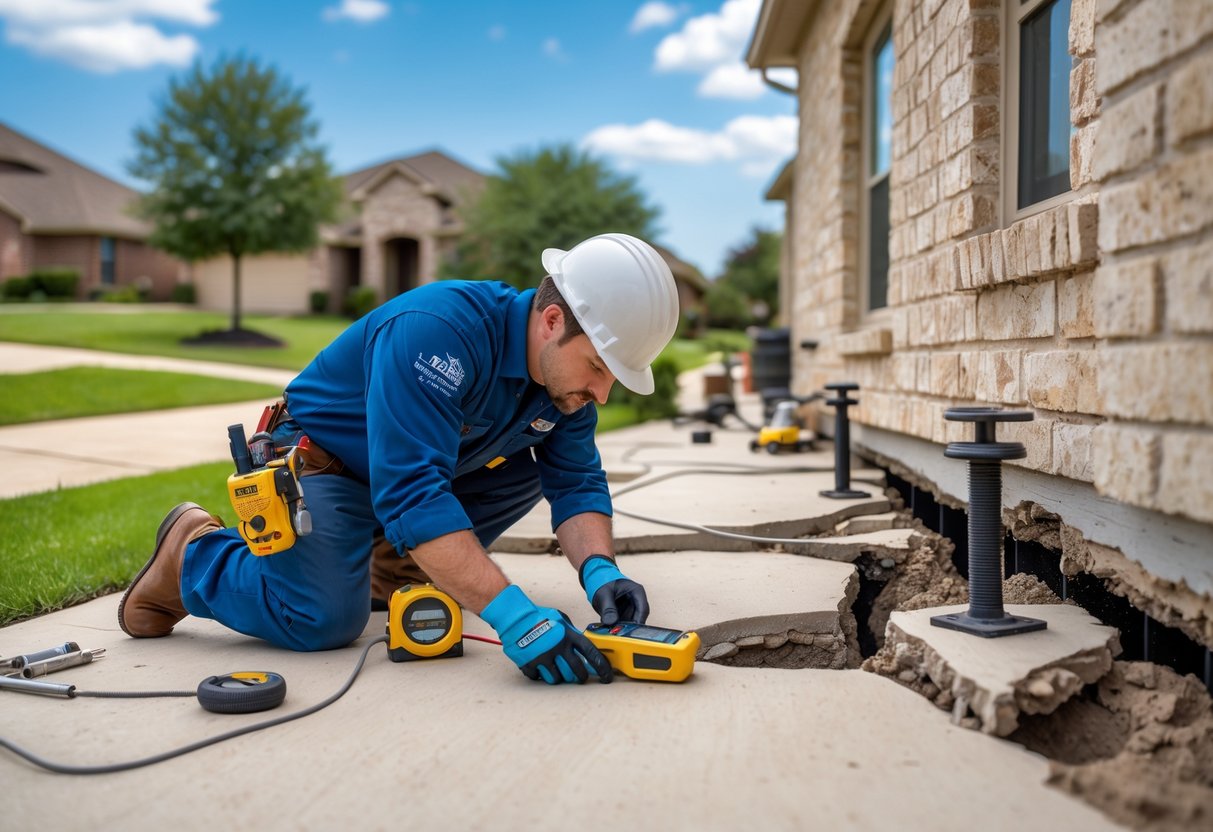
You should watch for visible damage, sudden changes inside your home, and signs of water where it shouldn’t be.
These indicators often point to soil-driven movement, water intrusion, or sudden settlement that need fast action.
Signs of Foundation Damage Requiring Immediate Attention
Look for new or rapidly growing foundation cracks wider than 1/4 inch, especially horizontal or stair-step cracks in masonry.
Wall cracks near doors and windows that widen quickly can mean the wall is shifting.
Check your floors: if floors become noticeably uneven, sloped, or you see gaps between floor and baseboard, that often signals settlement or pier failure.
Doors and windows that stick or no longer latch properly indicate the frame has moved.
Watch for water intrusion in the crawl space, basement, or around the slab edge.
Pooled water, damp insulation, or mold growth can weaken soils and accelerate damage.
If you see any of these signs suddenly or worsening over days to weeks, contact a foundation specialist immediately.
Impact of Local Soil Conditions and Climate on Foundation Stability
Round Rock sits on expansive clay soil that swells when wet and shrinks when dry.
Heavy seasonal rain, poor drainage, or irrigation changes can make the clay expand and push on foundations.
Long dry spells pull the soil away and cause settlement or gaps under slabs and piers.
Soil movement is often uneven across a property.
One corner can heave while another settles, which leads to uneven floors and directional wall cracks.
Your yard grading, downspouts, and proximity to large trees affect moisture patterns.
Managing surface water and maintaining consistent moisture near the foundation lowers risk.
Consequences of Delayed Repairs
Delaying repair lets small cracks grow into structural problems.
Minor hairline cracks can become wide foundation cracks and lead to bowed walls or failing piers.
That raises repair costs substantially and can force expensive structural work.
Water intrusion left unchecked damages subflooring, framing, and insulation.
Mold and rot follow, affecting indoor air quality and increasing health and repair concerns.
Continued settlement or soil movement also reduces your home’s resale value and may create safety hazards if load-bearing elements fail.
Emergency Foundation Repair Options and Services
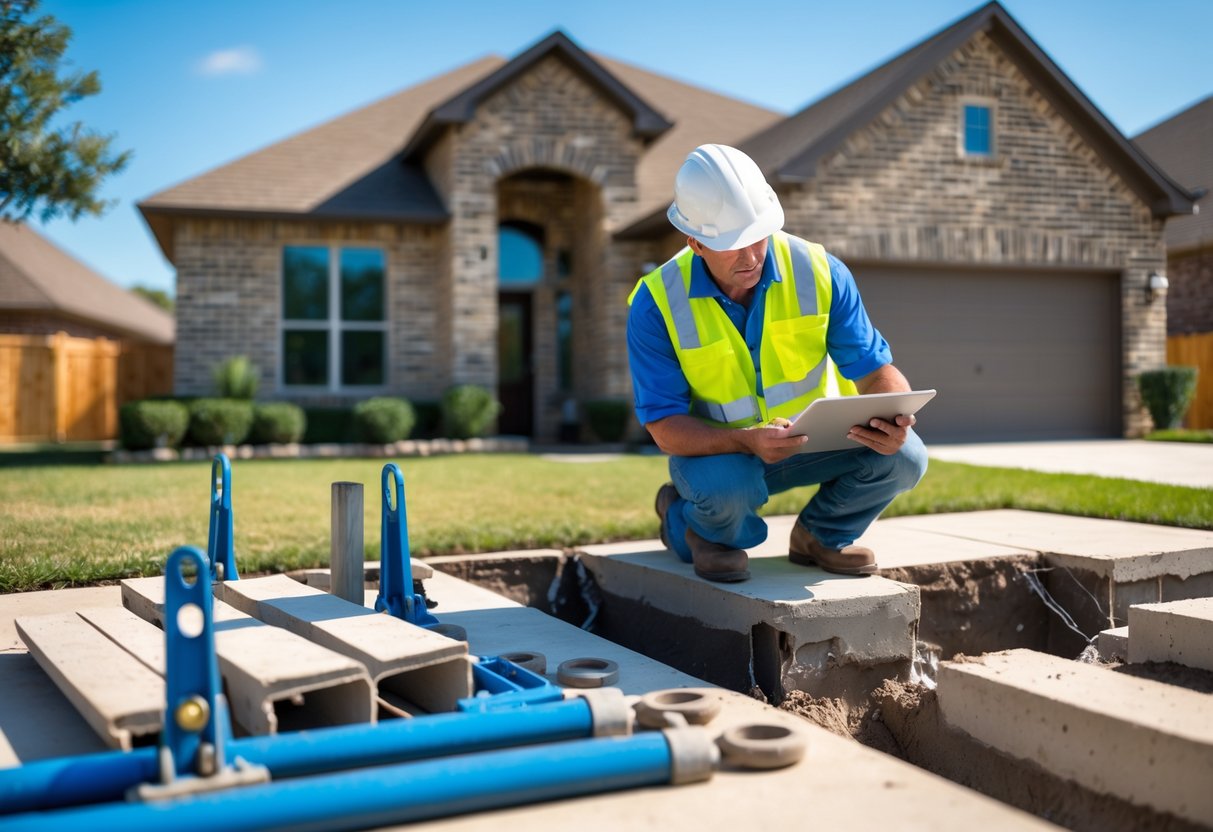
You need fast, clear choices when foundation damage threatens your home.
The right response includes a quick inspection, temporary stabilization, and hiring a qualified contractor who can provide long-term stability and prevent mold growth.
Inspection and Assessment by Local Specialists
Call a local foundation inspection team as soon as you notice large cracks, doors that stick, or sudden settling.
A qualified inspector will use level readings, crack monitors, and soil disturbance checks to measure how much your slab or pier-and-beam has moved.
Expect a written report that shows settlement amounts, likely causes (clay soil or drainage), and a ranked list of urgent repairs.
Make sure the inspector documents safety risks like utility line shifts or water pooling that can speed mold growth.
Ask for photos, sketches, and an estimated timeline for repairs.
If the inspector recommends immediate action, get at least one other written estimate before approving costly work.
Rapid Stabilization Techniques and Materials
Rapid stabilization aims to stop further movement while you plan a permanent fix.
Common options include installing helical piers driven to stable soil, push piers for heavy loads, or temporary shoring under sagging beam supports.
Contractors may also inject polyurethane foam under slabs to lift small settled areas quickly.
Materials matter: galvanized steel piers resist corrosion, and engineered concrete pads help distribute loads for underpinning systems.
Short-term measures like timber shoring or adjustable steel jacks can hold floors level overnight but are not a substitute for permanent underpinning.
Ask for expected lifespan of any quick fix and how it ties into long-term repairs.
Choosing the Right Foundation Repair Contractor
Pick a foundation repair company with local experience in Round Rock’s clay soils and seasonal swings.
Verify licensing, liability insurance, and references from nearby projects.
Ask for a detailed scope of work that lists methods (helical piers, underpinning, slab lifting), materials, warranty terms, and a payment schedule tied to milestones.
Compare multiple foundation repair contractors on these points: detailed inspection report, engineered plans for underpinning, timeline for long-term stability, and guarantees against future settlement.
Confirm they will address mold growth risk by fixing water drainage and recommending remediation if needed.
Keep all contracts and warranties in writing before work starts.
Frequently Asked Questions
You will find quick answers about which Round Rock companies handle urgent jobs, how to spot emergency damage, likely costs, insurance rules in Texas, 24/7 service options, and fast repair methods.
The answers focus on specific actions you can take and realistic expectations for time and cost.
What are the top-rated foundation repair services in Round Rock, TX for urgent situations?
Look for companies with high local review counts and A+ or strong Better Business Bureau ratings.
Firms noted for slab, pier-and-beam, and crawl space work in Round Rock include long-established local contractors and regional chains that advertise free inspections and emergency responses.
Compare how quickly each company can inspect your home, whether they provide immediate shoring or temporary fixes, and whether they carry insurance and licensing.
Request references for emergency jobs and ask for a written timeline before work begins.
How can I determine if my foundation damage qualifies as an emergency?
You should treat visible structural movement as urgent.
Signs include large horizontal or stair-step cracks in brick or block, doors and windows that suddenly stick or will not close, new gaps between walls and floors, or sloping floors that worsen quickly.
If you notice plumbing leaks, sudden wall bulges, or cracks wider than 1/4 inch that grow within days or weeks, call a professional right away.
If the house feels unsafe or you see sudden major movement, vacate and get an immediate inspection.
What are the average costs associated with emergency foundation repairs?
Emergency stabilizing work — like temporary shoring or short-term piers — often starts from a few hundred to a few thousand dollars.
Permanent repairs such as helical piers, slab lifting, or full pier-and-beam rebuilds commonly range from several thousand to tens of thousands, depending on the problem size.
Get at least two written estimates that separate emergency stabilization from long-term repair.
Ask each contractor to list materials, labor, and expected follow-up work so you can compare real cost differences.
Can homeowner’s insurance cover urgent foundation repairs in Texas?
Standard homeowner policies rarely cover foundation damage caused by normal settling or clay soil movement.
You might have coverage if a sudden, covered peril caused the damage, like a burst pipe or a sewer backup, and you can document that cause.
Document damage with photos and a professional inspection report, then file a claim quickly.
Speak to your agent and read your policy to confirm covered perils and deductible amounts before hiring contractors.
Are there any foundation repair companies in Round Rock that offer 24/7 emergency services?
Some local and regional foundation companies in Round Rock advertise emergency inspections and rapid response for urgent issues.
Look for contractors that explicitly list 24/7 availability, emergency hotline numbers, or on-call crews for after-hours calls.
Before you hire, verify response time, after-hours rates, and whether the company provides immediate temporary shoring.
Confirm licensing, insurance, and written estimates even when work starts urgently.
What methods are commonly used for repairing foundation cracks urgently?
Contractors often use temporary shoring and steel plates to stabilize a structure quickly.
For slab foundations, they may install helical piers or driven piles to stop further settlement as a short-term or permanent fix.
Crack injections with epoxy or polyurethane can seal water leaks fast but may not fix movement.