You can often expect small foundation repairs in Round Rock to take a few days. Larger or more complex jobs can stretch to a week or longer depending on damage, soil, and weather.
Most common repairs finish within 1–7 days, but severe issues or permits can extend the timeline.
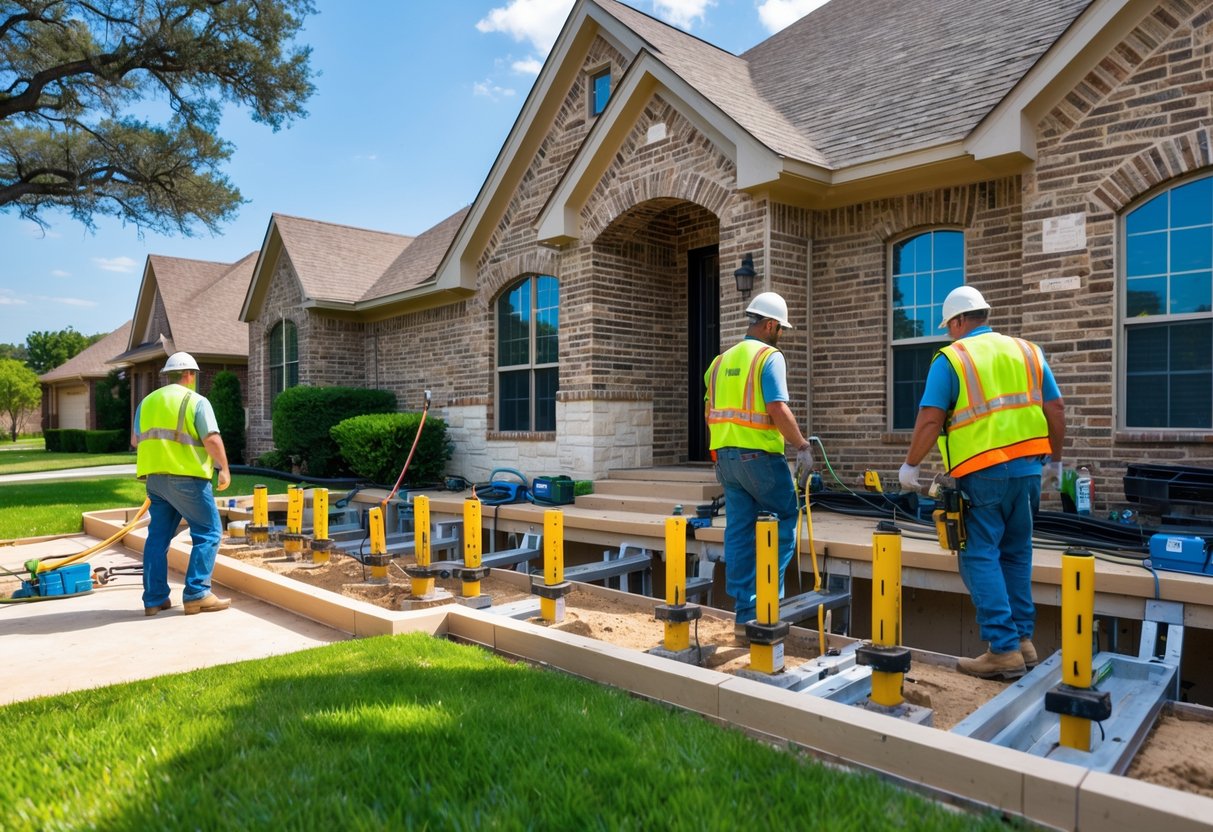
You’ll learn what changes the schedule and how contractors plan work. Knowing the likely time range up front helps you plan repairs without surprise delays.
Key Takeaways
- Small repairs usually finish in days, major work can take a week or more.
- Local soil, weather, and damage level drive the timeline.
- Clear communication with contractors speeds up the process.
Factors That Affect Foundation Repair Timelines in Round Rock, TX
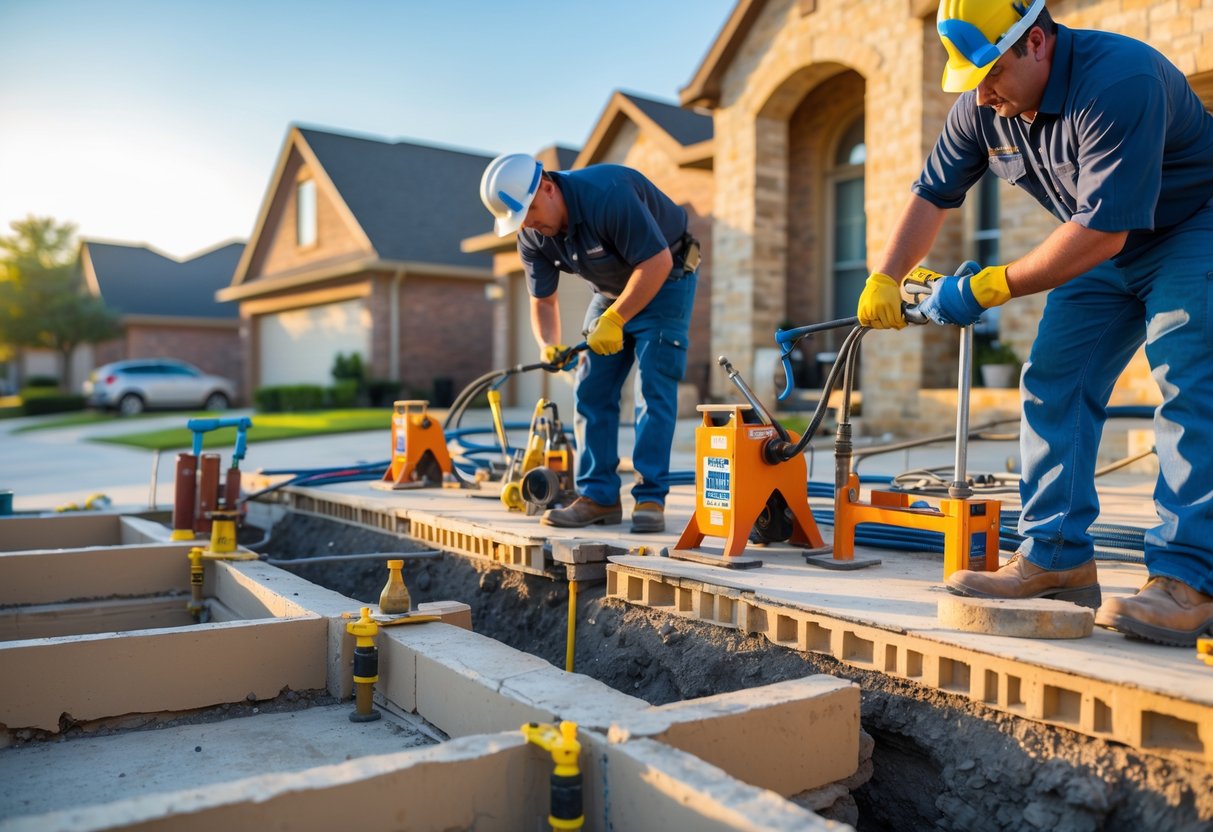
These are the main things that change how long your repair takes: the type and size of the damage, the soil under your home, and Texas weather patterns. Each factor affects labor, materials, permitting, and how long crews can safely work.
Foundation Type and Extent of Damage
Your foundation type—pier-and-beam, slab-on-grade, or stem wall—shapes the repair method and time. Pier-and-beam work often means replacing or sistering piers and may take a few days to a week for a single problem area.
Slab repairs usually require mudjacking, polyurethane foam, or installing push piers. Mudjacking can be done in a day for small lifts, while pier systems can take several days to weeks depending on access and the number of piers.
Damage size matters. Hairline slab cracks need monitoring or simple sealing and take hours to a day.
Structural failures, big settlement, or wall bowing demand engineering, demolition of finishes, and staged work. Engineering reports and city permits add days to weeks before crews start.
Expect longer timelines when repairs require interior work. Floor, wall, or plumbing restoration will extend the project.
Soil Conditions and Expansive Clay Soils
Round Rock sits on expansive clay that swells when wet and shrinks in drought. That movement drives most local foundation problems and affects the fix.
Expansive clay can mean more piers or deeper footings to reach stable strata, which adds labor and machine time. Testing and soil evaluation often happen first; a geotechnical report can take several days to a week.
If your yard needs heavy equipment access, crews may build temporary roads or remove landscaping, which lengthens the schedule. Post-repair moisture control—drainage corrections, gutters, and soil grading—is common and can be done alongside structural work or as a follow-up, adding a few days.
Weather and Seasonal Considerations
Texas weather affects daily progress in concrete curing, excavation, and equipment use. Heavy rain and flash flooding delay digging and concrete pours until soils dry enough to support machinery.
Summer heat speeds concrete cure but can require overnight or early-morning work to protect crews and materials. Seasonal swings in moisture change soil behavior; repairs performed in very wet or very dry periods may shift once seasons change.
Many contractors plan major pier installations in milder months and schedule moisture-control work ahead of forecasted heavy rains. Allow extra days in your timeline for weather holds and for crews to wait for safe excavation and proper concrete curing.
Typical Foundation Repair Process and Duration
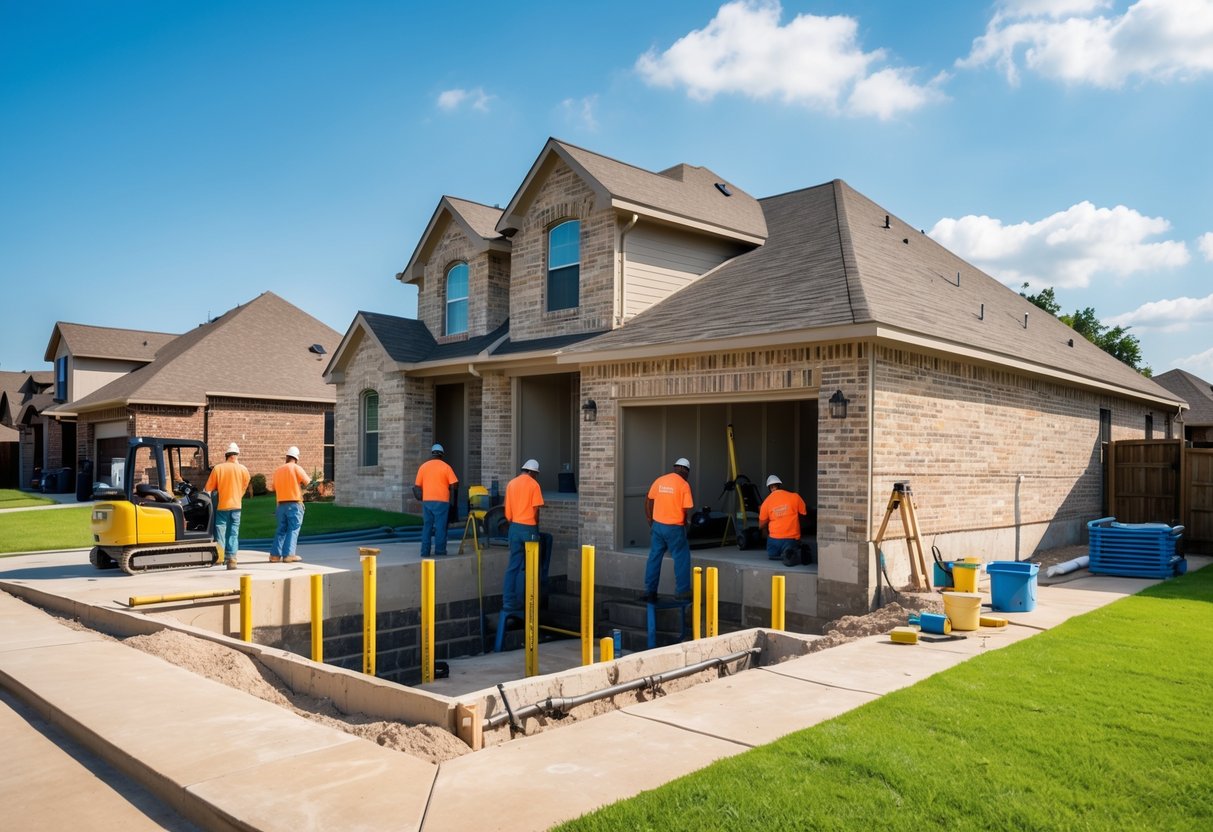
You’ll see three main steps: a detailed inspection, a choice between residential or commercial methods, and the repair type that sets the schedule. Weather, soil moisture, and the repair method control the timeline most of all.
Inspection and Assessment
An inspector typically spends about 1–2 hours at your Round Rock property for a full assessment. They measure floor elevations, check visible cracks, and note drainage or soil issues that affect nearby foundations.
Expect photos, sketches, and a written report with recommended fixes. The inspector may use leveling instruments or a laser and will often mark areas for load-bearing reviews.
If structural engineer input is required, add a few days to a week for their evaluation and stamped plans. A clear, signed estimate and scope should follow so you know work start dates and permits needed.
Residential vs. Commercial Foundation Repair Timelines
Residential repairs in Round Rock often take from 1 day to 3 weeks. Small slab cracks or minor settling can be fixed in 1–3 days with epoxy or polyurethane injections.
Piering or full-leveling jobs usually need 3–10 days, depending on access and soil work. Commercial foundation repair typically runs longer because of larger loads, deeper footings, and stricter code or uptime needs.
Expect 2 weeks to several months for commercial projects, especially if phased work, traffic control, or engineered underpinning is required. You should confirm contractor plans for staging, work hours, and business interruptions.
Types of Repairs and Their Expected Timeframes
- Crack injection (epoxy/polyurethane): 1–2 days for most interior and exterior cracks. Minimal site prep and quick curing make this fast.
- Concrete leveling (mudjacking or slabjacking): 1–3 days. Heavy equipment access and multiple lifts may extend time.
- Piering or underpinning (steel piers, helical piers): 3–10+ days for typical single-family homes. Commercial underpinning can last weeks to months depending on foundation size.
- Wall anchors and tiebacks: 1–5 days for residential; longer for larger walls or engineered systems.
- Drainage and exterior grading: 1–7 days depending on scope. These fixes often go with foundation work to protect long-term results.
Quality foundation repair in Round Rock means the contractor gives a clear schedule, permits, and an engineer’s report when required. Ask for a written timeline that lists milestones, expected weather delays, and cleanup procedures so you know what to expect.
Frequently Asked Questions
You will find clear answers about living in the home, signs of foundation trouble, repair longevity, typical timelines in Texas, buyer risks, and the repair steps. Each question gives practical details you can use when deciding on inspections, hiring a contractor, or buying a repaired house.
Can you reside in the home during the foundation repair process?
Yes. Most foundation repairs allow you to stay in the home, especially when crews use piering, slabjacking, or crawl space methods.
Work can be noisy and dusty at times, so plan for limited access near the work area. If repairs involve major excavation or complete basement work, you may need to leave for safety or comfort for a short period.
Ask the contractor for a site plan and a timeline so you can arrange pets, parking, and daily routines.
What are the indicators that a foundation needs to be repaired?
Look for interior plaster or drywall cracks wider than 1/8 inch, doors and windows that stick, and uneven or sloping floors. Exterior brick or masonry cracks and gaps between walls and ceilings also point to settlement issues.
Other signs include stair-step cracks in brickwork, foundation wall bowing, and persistent water in the crawl space. If you spot multiple signs, get a professional inspection.
Is a foundation repair a lasting solution?
A well-designed repair addresses the underlying cause and can last decades when installed correctly and maintained. Using engineered piers, proper drainage fixes, and soil stabilization reduces the chance of future movement.
However, no repair guarantees zero future movement. Changes in soil moisture, poor site drainage, or new loads on the structure can cause additional settling over time.
Follow recommended maintenance and periodic inspections.
How long does the typical foundation repair process take in Texas?
Simple concrete leveling or small pier installations often finish in a single day. Medium repairs, like multiple hydraulic piers or crawl space work, usually take one to three days.
Large projects that require extensive excavation, concrete replacement, or complex drainage systems can take a week or longer. Weather and soil conditions in Texas, especially clay shrink-swell cycles, may extend the schedule.
What are the risks of purchasing a home that has undergone foundation repairs?
Risks include incomplete or improper repairs, recurring movement, and higher insurance or resale scrutiny. You may also face undisclosed damage that a brief inspection could miss.
Reduce risk by asking for repair invoices, engineering reports, warranties, and permits. Hire an independent structural engineer to review the repair work and the home’s current condition.
How does the foundation repair process work?
A contractor starts with an inspection and, often, an engineer’s evaluation to identify the cause and plan the fix.
Common solutions include installing steel piers, helical anchors, slabjacking, wall reinforcement, and drainage correction.
Crews excavate where needed and install piers or lift the slab.
They then backfill and restore surfaces.
Final steps usually include documentation and warranty paperwork.
Advice on drainage and maintenance to protect the repair may also be provided.