Uneven Floors Foundation in Round Rock, TX: Causes, Signs & Solutions
Uneven floors foundation in Round Rock, TX is one of the clearest indicators that a home is experiencing structural movement beneath its foundation. Homeowners often notice floors that slope, feel bouncy, or cause objects to roll in one direction. In Round Rock, this issue is closely tied to expansive clay soil conditions that shift with seasonal moisture changes. Uneven floors are more than a comfort issue—they are a strong sign of developing foundation problems. In neighborhoods such as Teravista, Forest Creek, and Paloma Lake, homeowners frequently report sloping floors after prolonged drought or heavy rainfall cycles. Because foundations rarely move evenly, even slight changes in elevation can create noticeable floor imbalance.
What Causes Floors to Become Uneven?
Uneven floors occur when the foundation shifts or settles unevenly, causing parts of the structure to rise or sink. This movement affects how floors are supported, leading to visible slopes or instability, especially in systems like Pier-beam foundation structures or homes requiring Slab repair.
Homeowners typically notice:
- Sloping or tilted floors
- Soft or bouncy walking surfaces
- Gaps between flooring and walls
- Furniture leaning or shifting
Types of Uneven Floor Conditions
Type 1: Slight Sloping Floors
Gradual slope that may only be noticeable with objects rolling or visual inspection.
Type 2: Structural Sagging
Floors that dip or feel soft, often associated with support issues beneath the structure.
Type 3: Severe Uneven Floors
Significant elevation differences that impact daily use and safety.
Identifying the type of unevenness helps determine whether the issue is cosmetic or part of deeper foundation problems.
Why Floors Become Uneven in Round Rock Homes
Expansive Clay Soil and Foundation Movement
The Ground Conditions in Round Rock
Round Rock sits within the Blackland Prairie, where expansive clay soil dominates the landscape. This soil type expands when wet and shrinks when dry, creating constant pressure changes beneath foundations. The active soil zone typically extends 10–15 feet below the surface, affecting both slab and pier-and-beam foundations.
The Mechanism: Soil Movement → Foundation Shift → Floor Imbalance
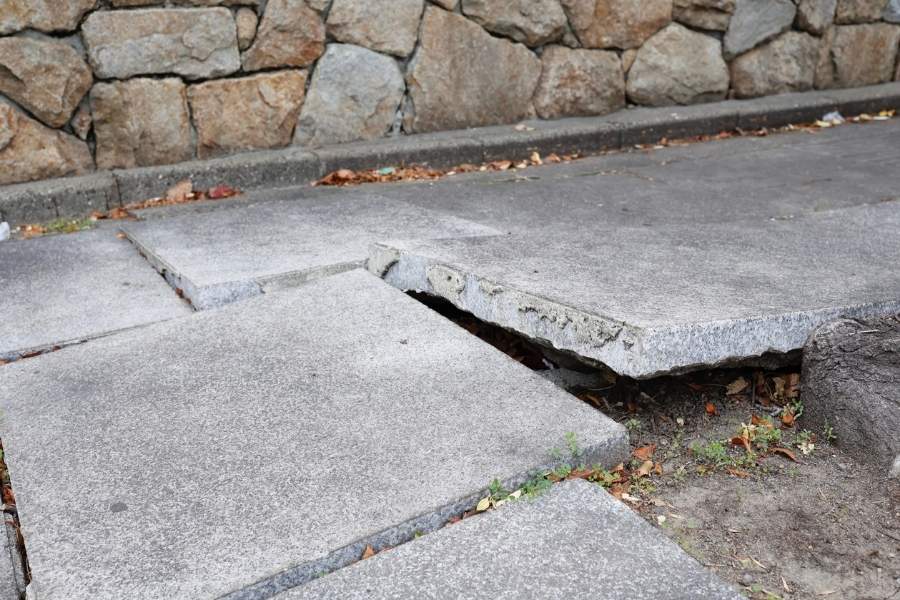
During wet conditions, soil expansion pushes sections of the foundation upward (heaving). During drought, soil shrinkage causes portions of the foundation to settle. Because these movements occur unevenly, the structure above becomes misaligned, resulting in uneven floors.
Even small vertical changes—sometimes less than an inch—can create noticeable floor slope across a room.
Local Patterns and Historical Influence
Major climate events such as the 2011 Texas drought and recent Central Texas rainfall cycles have intensified soil movement. Homes in areas like Sendero Springs and Brushy Creek often experience greater floor unevenness due to deeper clay deposits and inconsistent moisture levels.
Why Floors Become Uneven in Round Rock Homes
Expansive Clay Soil and Foundation Movement
The Ground Conditions in Round Rock
Round Rock sits within the Blackland Prairie, where expansive clay soil dominates the landscape. This soil type expands when wet and shrinks when dry, creating constant pressure changes beneath foundations. The active soil zone typically extends 10–15 feet below the surface, affecting both slab and pier-and-beam foundations.
The Mechanism: Soil Movement → Foundation Shift → Floor Imbalance
During wet conditions, soil expansion pushes sections of the foundation upward (heaving). During drought, soil shrinkage causes portions of the foundation to settle. Because these movements occur unevenly, the structure above becomes misaligned, resulting in uneven floors.
Even small vertical changes—sometimes less than an inch—can create noticeable floor slope across a room.
Local Patterns and Historical Influence
Major climate events such as the 2011 Texas drought and recent Central Texas rainfall cycles have intensified soil movement. Homes in areas like Sendero Springs and Brushy Creek often experience greater floor unevenness due to deeper clay deposits and inconsistent moisture levels.
Additional Causes That Contribute to Uneven Floors
Foundation Settling or Sinking
Gradual sinking at corners or along one side of the home creates noticeable floor slope.
Foundation Heaving
Upward movement from soil expansion can push floors unevenly.
Pier-and-Beam Support Issues
In raised foundations, failing or shifting supports can lead to sagging or bouncy floors.
Crawl Space Moisture
Excess moisture weakens structural supports and contributes to floor instability.
These conditions often occur together, reinforcing the presence of underlying foundation problems.
Signs of Uneven Floors in Round Rock Homes
Early Warning Signs
- Slight slope noticeable when walking
- Objects rolling on floors
- Minor gaps along baseboards
- Subtle uneven transitions between rooms
Advanced Symptoms
- Floors visibly slanted
- Soft or bouncy sections
- Doors and windows sticking
- Cracks appearing in walls or ceilings
Round Rock Seasonal Patterns
In Round Rock, uneven floors often become more noticeable during late summer droughts when soil shrinkage causes foundation settlement and may partially stabilize during wetter months when soil expands. Homeowners in Teravista and Forest Creek commonly observe increasing floor slope during August–September, indicating ongoing structural movement that may require professional foundation repair services.
Inspect floors after prolonged drought, heavy rain, and annually during the fall.
EXCELLENTTrustindex verifies that the original source of the review is Google. Round Rock Foundation Repair Group did an amazing job Professional, fast, and thorough with fair pricing. Highly recommend.Posted on GoogleTrustindex verifies that the original source of the review is Google. Excellent servicePosted on GoogleTrustindex verifies that the original source of the review is Google. I had a great experience with Round Rock Foundation Repair Group! Their team was professional, knowledgeable, and explained everything clearly. They completed the work on time, and the results were excellent. My home feels much more stable now. I highly recommend them to anyone needing foundation repairs!Posted on GoogleTrustindex verifies that the original source of the review is Google. Excellent service. The staff were friendly and helpful. Highly recommendPosted on GoogleTrustindex verifies that the original source of the review is Google. I had a great experience with Round Rock Foundation Repair Group. They gave me a fair quote, didn’t try to upsell unnecessary work, and completed the repairs faster than expected. The team was courteous and clearly experienced. I feel confident in the quality of their work and would definitely call them again if needed.Posted on GoogleTrustindex verifies that the original source of the review is Google. Round Rock Foundation Repair Group did an excellent job on our foundation. They were professional, on time, and explained everything clearly. The work was solid, and we’re very happy with the results. Highly recommend!Posted on GoogleTrustindex verifies that the original source of the review is Google. Kangaroof provided outstanding service and quality work. Their efficiency and attention to detail made the entire process seamless. I highly recommend themVerified by TrustindexTrustindex verified badge is the Universal Symbol of Trust. Only the greatest companies can get the verified badge who has a review score above 4.5, based on customer reviews over the past 12 months. Read more
How Serious Are Uneven Floors?
Minor (Monitor)
- Slight slope without structural symptoms
- No noticeable progression over time
- Stable across seasons
These may not require immediate repair but should be monitored.
Moderate (Schedule Repair)
- Increasing slope
- Multiple rooms affected
- Accompanied by minor structural changes
Professional evaluation is recommended.
Severe (Immediate Action)
- Significant floor tilt
- Bouncy or unstable flooring
- Associated with major structural damage
Immediate repair is necessary to prevent further deterioration.
Active vs. Stable Movement
If floor unevenness worsens over time, the foundation is actively shifting. Seasonal variation is normal, but progressive changes indicate ongoing issues.
Repair Solutions for Uneven Floors
Foundation Stabilization
Stabilizing the foundation is the primary step in correcting uneven floors. This may involve pier installation or structural reinforcement to restore proper elevation.
Pier-and-Beam Repair
For raised homes, adjusting or replacing supports can correct sagging floors and improve stability.
Crawl Space Repair
Addressing moisture and structural issues beneath the home helps restore floor integrity.
Combined Structural Solutions
Most cases require a combination of repairs tailored to the specific cause of unevenness. Professional evaluation ensures the correct approach is applied.
Preventing Uneven Floors in Round Rock Homes
Maintaining consistent soil moisture around your foundation is critical. Ensure proper drainage to prevent water buildup and soil saturation. During dry periods, controlled watering can help stabilize soil conditions and reduce movement.
Regular inspections help detect early signs of structural shifting before they develop into serious foundation problems. Addressing minor issues early can reduce the need for extensive foundation repair services later.
Cost of Fixing Uneven Floors in Round Rock
Costs vary depending on severity and cause:
- Minor adjustments: $500–$2,000
- Moderate structural repairs: $2,000–$8,000
- Major foundation stabilization: $5,000–$15,000+
Factors influencing cost include foundation type, soil conditions, and extent of movement. Early repairs are generally more cost-effective.
Where Uneven Floors Are Common in Round Rock
In Teravista and Paloma Lake, newer homes often experience uneven floors due to soil consolidation and seasonal movement. Forest Creek properties frequently show floor slope related to long-term foundation settlement. Brushy Creek and Wells Branch homes may experience uneven floors due to variations in soil depth and drainage patterns.
Recognizing neighborhood trends helps determine whether the issue is localized or part of a broader structural concern.
Frequently Asked Questions About Bowing Foundation Walls in Round Rock, TX
Are bowing foundation walls serious?
They can be. Minor bowing may be monitored, but moderate to severe movement requires professional repair.
What causes bowing foundation walls in Round Rock?
Expansive clay soil, hydrostatic pressure, and seasonal moisture changes are primary causes.
Will bowing walls get worse over time?
Yes. Without repair, lateral pressure continues to increase wall movement.
Does insurance cover bowing foundation walls?
Typically no, as soil movement is considered a maintenance issue.
Can I sell my home with a bowing foundation wall?
Yes, but disclosure is required and unresolved issues may reduce value.
Is waterproofing enough to fix bowing walls?
No. Waterproofing reduces pressure but structural reinforcement is usually required.
Schedule a professional inspection if you notice floors sloping, bouncing, or becoming uneven across multiple areas of your home, especially when these symptoms appear alongside cracks, sticking doors, or other structural changes, as they often indicate developing foundation problems. Round Rock Foundation Repair Group provides free, no-obligation inspections throughout Round Rock, TX, evaluating structural movement, identifying root causes, and recommending the most effective foundation repair services to restore level floors and long-term stability. If floor unevenness continues to worsen or affects multiple rooms, contacting a foundation professional promptly can help prevent more extensive damage.