Gaps Between Walls and Floors in Round Rock, TX
Gaps between walls and floors in Round Rock, TX are a common structural warning sign that a home is experiencing movement at the foundation level. Homeowners typically notice separation along baseboards, visible cracks where walls meet flooring, or uneven transitions between surfaces. In Round Rock, these gaps are strongly tied to expansive clay soil conditions that cause homes to shift over time. These gaps are not just cosmetic—they often indicate developing foundation problems that can worsen if left unaddressed. In neighborhoods like Forest Creek, Teravista, and Brushy Creek, homeowners frequently observe these gaps forming after periods of drought or heavy rainfall. Because foundations move unevenly, even small shifts can create visible separation between structural elements.
What Causes Gaps Between Walls and Floors?
Gaps between walls and floors occur when the foundation shifts, causing parts of the home to move at different elevations. Since walls are attached to the structure above and floors are supported below, even slight movement creates separation.
Homeowners often notice:
- Baseboards pulling away from flooring
- Visible gaps along interior walls
- Uneven floor transitions
- Cracking near wall-floor joints
Common Types of Separation
Type 1: Minor Separation Gaps
Small gaps (less than 1/8 inch) often caused by early-stage movement or seasonal changes.
Type 2: Progressive Gaps
Gaps that widen over time, indicating ongoing structural shifting.
Type 3: Structural Separation
Large or uneven gaps that signal significant foundation movement and require immediate attention.
Understanding the type helps determine whether the issue is cosmetic or part of larger foundation problems.
Why Gaps Form in Round Rock Homes
Expansive Clay Soil and Foundation Movement
The Ground Beneath Round Rock Structures
Round Rock is located within the Blackland Prairie region, dominated by expansive clay soils rich in montmorillonite minerals. These soils can expand significantly when wet and shrink during dry conditions, creating continuous movement beneath foundations. The active soil zone typically extends 10–15 feet deep, directly affecting slab and pier-supported structures.
The Mechanism: Soil Expansion → Structural Shift → Separation
During periods of heavy rain, soil absorbs moisture and expands, pushing sections of the foundation upward. During drought conditions, the soil contracts and pulls away from the foundation, causing settling. Because this movement is rarely uniform, different parts of the home shift at different rates.
This uneven movement leads to separation between structural components, resulting in visible gaps between walls and floors.
Local Patterns and Historical Trends
Major climate events such as the 2011 Texas drought and recent Central Texas rainfall cycles have contributed to widespread soil instability. Homes in areas like Paloma Lake and Sendero Springs often experience more pronounced separation due to deeper clay deposits and drainage variability.
Even small vertical shifts—sometimes less than 1 inch—can create noticeable gaps throughout the home.
Additional Contributing Factors
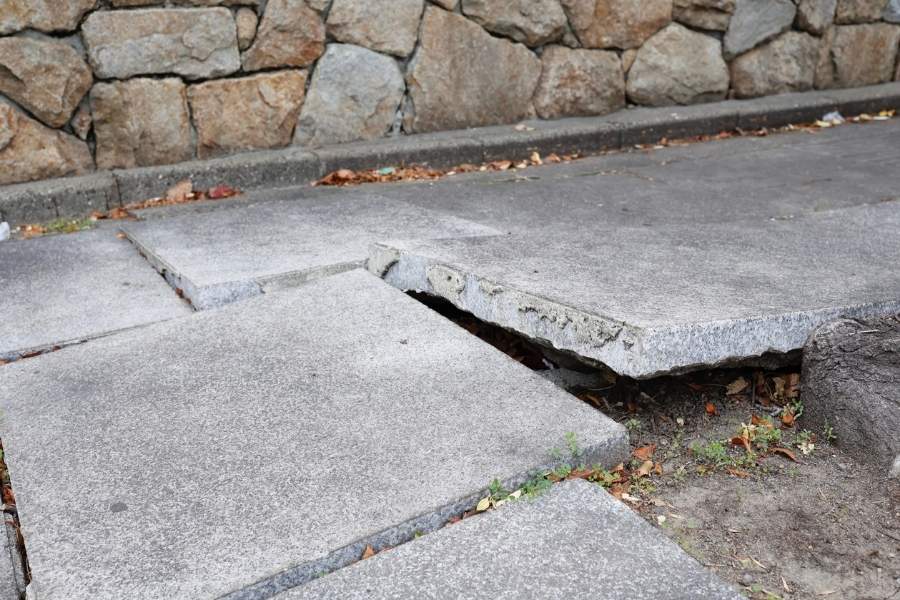
Foundation Settling and Sinking
Gradual sinking at corners or along one side of the home creates uneven structural alignment.
Foundation Heaving
Upward movement from soil expansion can distort interior structures and create separation points.
Uneven Floors
Sloping or shifting floors often accompany gaps between walls and floors.
Interior Wall Movement
Walls may shift independently from floors due to framing stress caused by foundation movement.
These issues often occur together, making gaps a clear indicator of underlying foundation problems.
Signs of Gaps Between Walls and Floors in Round Rock Homes
Early Warning Signs
- Small separations along baseboards
- Slight gaps appearing in corners
- Minor cracking at wall-floor joints
- Uneven flooring transitions
Advanced Symptoms
- Gaps wider than 1/4 inch
- Visible daylight under baseboards
- Walls appearing detached from flooring
- Multiple rooms showing similar separation
Round Rock Seasonal Patterns
In Round Rock, gaps between walls and floors often become more noticeable during late summer droughts when soil shrinkage is at its peak and may partially reduce during wetter months when soil expands. Homeowners in Teravista and Forest Creek commonly observe these gaps widening in August–September, indicating ongoing movement that may require professional foundation repair services.
Inspect your home after prolonged dry periods, heavy rainfall, and annually in the fall.
How Serious Are These Gaps?
Minor (Monitor)
- Small gaps under 1/8 inch
- No additional structural symptoms
- Stable across seasons
These are often early indicators and should be monitored.
Moderate (Schedule Repair)
- Gaps widening over time
- Multiple areas affected
- Associated with uneven floors or sticking doors
Professional evaluation is recommended.
Severe (Immediate Action)
- Large or rapidly expanding gaps
- Visible structural distortion
- Accompanied by cracks or door misalignment
Immediate repair is necessary to prevent further damage.
Active vs. Stable Movement
If gaps continue to grow or reappear after repairs, the foundation is still moving. Seasonal variation is normal, but progressive widening indicates active structural issues.
EXCELLENTTrustindex verifies that the original source of the review is Google. Round Rock Foundation Repair Group did an amazing job Professional, fast, and thorough with fair pricing. Highly recommend.Posted on GoogleTrustindex verifies that the original source of the review is Google. Excellent servicePosted on GoogleTrustindex verifies that the original source of the review is Google. I had a great experience with Round Rock Foundation Repair Group! Their team was professional, knowledgeable, and explained everything clearly. They completed the work on time, and the results were excellent. My home feels much more stable now. I highly recommend them to anyone needing foundation repairs!Posted on GoogleTrustindex verifies that the original source of the review is Google. Excellent service. The staff were friendly and helpful. Highly recommendPosted on GoogleTrustindex verifies that the original source of the review is Google. I had a great experience with Round Rock Foundation Repair Group. They gave me a fair quote, didn’t try to upsell unnecessary work, and completed the repairs faster than expected. The team was courteous and clearly experienced. I feel confident in the quality of their work and would definitely call them again if needed.Posted on GoogleTrustindex verifies that the original source of the review is Google. Round Rock Foundation Repair Group did an excellent job on our foundation. They were professional, on time, and explained everything clearly. The work was solid, and we’re very happy with the results. Highly recommend!Posted on GoogleTrustindex verifies that the original source of the review is Google. Kangaroof provided outstanding service and quality work. Their efficiency and attention to detail made the entire process seamless. I highly recommend themVerified by TrustindexTrustindex verified badge is the Universal Symbol of Trust. Only the greatest companies can get the verified badge who has a review score above 4.5, based on customer reviews over the past 12 months. Read more
Repair Solutions for Wall and Floor Gaps
Foundation Stabilization
Addressing the root cause of movement is essential. Stabilizing the foundation prevents further shifting and eliminates the source of separation.
Structural Adjustments
After stabilization, interior framing and finishes may need adjustment to restore proper alignment between walls and floors.
Crawl Space and Pier-Beam Repair
For homes with elevated foundations, correcting support systems can resolve uneven floor levels and eliminate gaps.
Comprehensive Repair Approach
Most cases require a combination of structural and cosmetic repairs. A professional assessment ensures the correct solution is applied based on soil conditions and structural behavior.
Preventing Gaps Between Walls and Floors in Round Rock
Maintaining consistent moisture levels around your foundation is one of the most effective ways to prevent movement. Ensure proper drainage to direct water away from the home and avoid soil saturation. During dry periods, controlled watering can help stabilize soil conditions.
Regular inspections allow early detection of structural changes before they develop into serious foundation problems. Addressing minor shifts early can reduce the need for extensive foundation repair services later.
Cost of Repairing Gaps in Round Rock Homes
Costs depend on severity and underlying causes:
- Minor cosmetic repairs: $300–$1,000
- Moderate structural adjustments: $1,500–$6,000
- Major foundation stabilization: $5,000–$15,000+
Factors affecting cost include foundation type, soil depth, and extent of structural movement. Early intervention typically results in lower repair costs.
Where This Problem Commonly Occurs in Round Rock
In Teravista and Paloma Lake, newer homes often develop gaps due to soil consolidation and seasonal movement. Forest Creek properties frequently show separation linked to long-term settlement patterns. Wells Branch and Brushy Creek homes may experience uneven gaps due to variations in soil depth and drainage conditions.
Understanding neighborhood-specific patterns helps determine whether the issue is localized or part of a broader structural concern.
Frequently Asked Questions About Gaps Between Walls and Floors in Round Rock, TX
Are gaps between walls and floors serious?
They can be. Small gaps may be cosmetic, but larger or growing gaps often indicate structural movement.
What causes these gaps in Round Rock homes?
Expansive clay soil expanding and shrinking with moisture changes is the primary cause.
Will the gaps fix themselves?
They may change with seasons, but underlying issues usually remain.
Should I repair the gaps or the foundation?
The foundation must be stabilized first to prevent gaps from returning.
How long does repair take?
Most repairs take 1–5 days depending on severity.
Can this problem affect home value?
Yes, visible structural issues can impact property value if not addressed.
Schedule a professional inspection if you notice baseboards separating from floors, visible gaps widening over time, uneven flooring, or these issues appearing alongside other structural symptoms, as they often indicate developing foundation problems. Round Rock Foundation Repair Group provides free, no-obligation inspections throughout Round Rock, TX, evaluating structural movement, identifying root causes, and recommending the appropriate foundation repair services to restore alignment and long-term stability. If gaps continue to expand or appear in multiple areas of the home, contacting a foundation professional promptly can help prevent more extensive damage.