If you’ve discovered cracks in your walls, sticking doors, or uneven floors in your Cedar Park home, you’re probably wondering whether your homeowner’s insurance will help cover the cost of foundation repair. The answer depends on the cause of the damage — and in Cedar Park, where expansive clay soils and dramatic seasonal moisture swings are everyday realities, understanding that distinction is critical.
At Round Rock Foundation Repair Group, we help Cedar Park homeowners navigate the complicated intersection of foundation damage and insurance coverage. We provide thorough documentation, professional inspections, and detailed reports that support insurance claims when applicable. Our team understands the specific soil conditions, building types, and weather patterns across Cedar Park and the surrounding communities that influence both the damage itself and how insurance carriers assess it.
If you suspect foundation damage, don’t wait. Call us today at (512) 220-3502 to schedule an inspection and get clear answers about your coverage options.
Understanding Homeowner’s Insurance and Foundation Repair Coverage
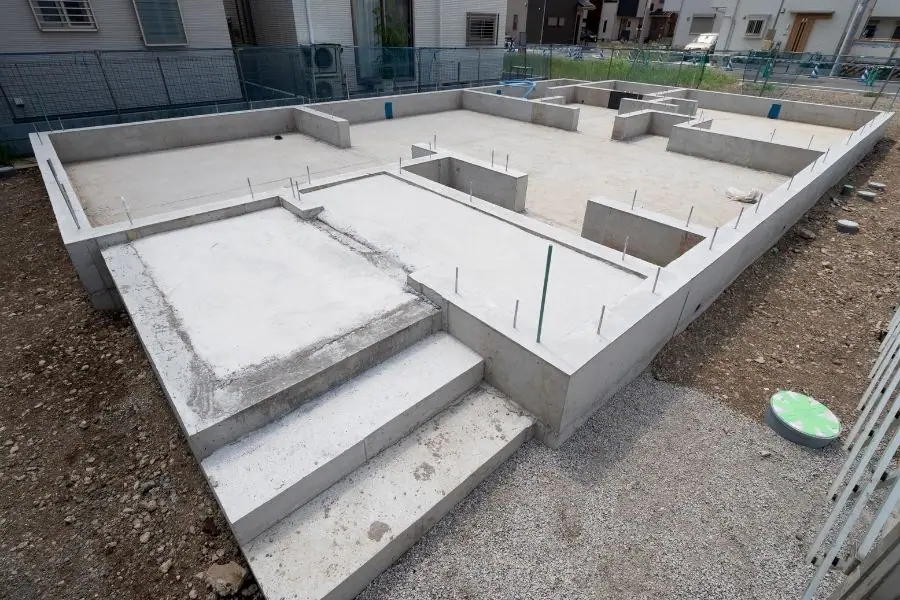
Homeowner’s insurance is designed to protect you from sudden, accidental losses — not gradual deterioration. This distinction is at the heart of nearly every foundation-related insurance dispute. Standard homeowner’s policies, including HO-3 policies which are the most common type in Texas, typically cover foundation damage only when it results from a covered peril. Understanding what qualifies as a covered peril versus what is considered maintenance neglect or gradual damage is essential before you file a claim.
Covered perils that may trigger foundation repair coverage include:
- Sudden plumbing leaks or burst pipes that saturate the soil beneath your slab
- Fire or explosion that structurally compromises the foundation
- Vehicle impact or other sudden physical damage
- Named storm or wind events that cause debris to strike and crack the foundation
- Sinkhole collapse in areas where this is a listed covered peril
Read moreShow less
What standard policies almost universally exclude includes gradual soil movement, drought-related soil shrinkage, poor drainage, root intrusion, and general settling over time. Texas homeowners should also be aware that flood damage — including saturated soils from heavy rainfall events — requires a separate flood insurance policy through programs like the National Flood Insurance Program (NFIP). Flooding is not covered under a standard HO-3 policy.
In Cedar Park, many homes were built between 1990 and 2015, a period of rapid suburban expansion in Williamson County. Homes from this era often used post-tension slab foundations designed to flex with the local soil movement. When these foundations experience damage, determining whether the cause is a covered peril or natural soil behavior becomes the central insurance question. Builders in neighborhoods like Buttercup Creek, Twin Creeks, and Walsh Ranch employed varying foundation engineering standards, which affects how insurers and engineers evaluate claims today.
Having an experienced local foundation repair company document your damage professionally from the outset dramatically improves your chances of a successful insurance claim when one is warranted.
Why Foundation Insurance Questions Are Especially Complex in Cedar Park, TX
The Role of Drought and Freeze Events
The 2022 Texas drought — one of the most severe on record — caused widespread soil shrinkage across Williamson County, including Cedar Park neighborhoods like Brushy Creek Village and Anderson Mill adjacent communities. Many homeowners first noticed foundation symptoms after this extended dry period when the clay soils contracted sharply beneath their slabs. Similarly, Winter Storm Uri in February 2021 caused widespread pipe failures across Cedar Park. Numerous homeowners experienced burst plumbing lines that saturated subsoil, triggering secondary foundation movement. In these cases, the initial plumbing failure was often a covered event, meaning the resulting foundation damage could be partially or fully covered — but only with proper documentation linking the two events.
Cedar Park’s Drainage Infrastructure
Cedar Park has experienced rapid population growth, with the city’s population growing from approximately 26,000 in 2000 to over 80,000 today. This rapid development has altered natural drainage patterns in many neighborhoods. Areas near Brushy Creek and its tributaries, including portions of Forest Creek and Cat Hollow, have experienced altered stormwater flow that concentrates moisture near foundations. When drainage infrastructure failures contribute to foundation damage, there may be pathways for claims against municipal entities or through separate flood coverage — scenarios our team is experienced in documenting.
Plumbing Failures in Older Cedar Park Homes
Homes built in Cedar Park before 2000 frequently used cast iron or early PVC plumbing that has reached or is approaching end of life. Post-tension slab homes in particular can suffer significant damage from under-slab leaks that go undetected for months. In neighborhoods like Buttercup Creek and Twin Creeks, we routinely perform electronic leak detection as part of foundation inspections to determine whether plumbing failures have contributed to damage — a finding that can fundamentally change how an insurance claim is evaluated.
Free, no-obligation estimates
Talk to Round Rock Foundation Repair Group
Tell us what you need and we’ll take it from there.
Signs You May Have a Foundation Problem — and Potentially an Insurance Claim
Interior Warning Signs
- Diagonal cracks radiating from the corners of door frames or windows, particularly at 45-degree angles
- Doors and windows that stick, won’t latch, or have developed visible gaps at corners
- Cracks in drywall, especially stair-step cracks along mortar joints in brick veneer
- Floors that feel bouncy, slope noticeably, or show visible gaps between flooring and baseboards
- Separation between interior walls and ceiling or floor
Exterior Warning Signs
- Stair-step cracks in brick or stone exterior, which are highly common in Cedar Park’s brick-facade homes
- Visible gaps between the foundation and the soil around the perimeter
- Cracks in the concrete slab itself, particularly cracks wider than 1/4 inch
- Chimney leaning away from the main structure
Urgency Indicators
Seek immediate professional evaluation if you notice cracks wider than 1/2 inch, rapid worsening of symptoms over days or weeks, or structural components visibly pulling apart. These patterns can indicate active, progressive failure that may worsen with each rainfall cycle.
Foundation Repair Methods We Use in Cedar Park
Pressed Concrete or Steel Pier Systems
The most common repair method for slab foundations in Cedar Park, pier systems are driven or pressed below the unstable clay layer to reach stable load-bearing soil or bedrock. In Cedar Park, this typically means reaching the Austin Chalk formation at depths of 10 to 25 feet depending on location. Steel push piers are preferred for heavier structures and provide precise elevation control during the lifting process.
Helical Pier Installation
Helical piers are screwed into the soil and are particularly effective in Cedar Park areas with softer or more variable soil profiles. They can be installed with minimal vibration, making them well suited for occupied homes and for commercial foundation repair in Cedar Park’s retail and office developments.
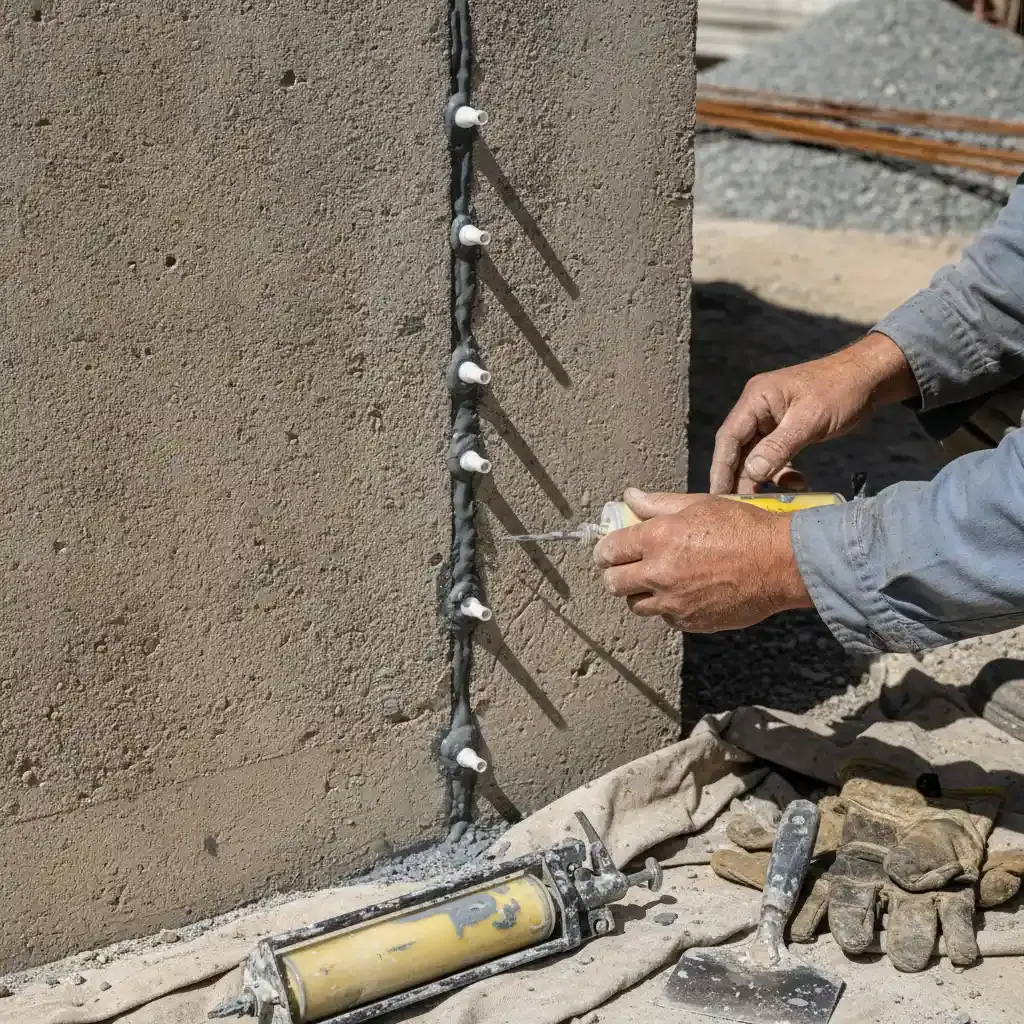
Slab Void Filling and Polyurethane Foam Injection
Where soil has washed or settled away from beneath a slab — common near Cedar Park drainage corridors — polyurethane foam injection fills voids efficiently and provides immediate support without excavation. This method is frequently used in conjunction with pier systems for comprehensive slab stabilization.
Interior Drainage and Moisture Management
Because Cedar Park’s clay soils are so moisture-sensitive, controlling moisture at the foundation level is often as important as structural repair. We install interior drainage systems, vapor barriers, and grading corrections that stabilize the moisture environment around your foundation going forward.
Foundation Patching and Crack Repair
After structural stabilization, cosmetic and structural crack repair restores integrity and provides a clean baseline for insurance documentation of completed work.
Foundation Repair Costs in Cedar Park, TX — What to Expect
Foundation repair costs in Cedar Park vary considerably based on the type and extent of damage, the repair method required, and whether insurance covers any portion of the work. Here are realistic cost ranges for Cedar Park homeowners:
- Foundation Inspection: $300–$600. A professional inspection with elevation measurements and written report. Essential for insurance documentation.
- Electronic Leak Detection: $150–$400. Often critical for establishing insurance eligibility in Cedar Park’s aging housing stock.
- Minor Foundation Patching and Crack Repair: $500–$2,500. Suitable for isolated cosmetic cracks without structural movement.
- Pier Installation (Per Pier): $1,000–$1,800 per pier, with most Cedar Park homes requiring between 8 and 20 piers for a full repair.
- Full Slab Foundation Repair (Mid-Range Home): $8,000–$25,000 depending on pier count, access conditions, and ancillary repairs.
- Crawl Space Repair: $3,000–$12,000 for homes with pier-and-beam construction, which exists in older sections of Cedar Park near the downtown area.
- Commercial Foundation Repair: $15,000–$100,000+ depending on building size and structural requirements.
Read moreShow less
When insurance covers the damage, out-of-pocket costs are typically reduced to your deductible amount, which commonly ranges from $1,000 to $5,000 for Texas homeowner policies. Cedar Park-area insurers have become increasingly familiar with foundation claims and may require independent engineering review for claims above $10,000. We help you navigate this process. Learn more about foundation repair costs in Cedar Park
Cedar Park and Surrounding Neighborhoods We Serve
Buttercup Creek
Developed primarily in the 1990s, Buttercup Creek features a mix of post-tension slab and conventional slab homes that are now entering the age range where foundation movement becomes most evident. The neighborhood’s position on active clay soils and its mature tree canopy — whose roots extend beneath many slabs — create frequent foundation challenges. Insurance claims involving tree root moisture extraction are particularly common here.
Twin Creeks
Homes in Twin Creeks were largely built between 2000 and 2010 and feature larger footprints that distribute load across more foundation area. Post-tension slabs dominate this neighborhood, and cable corrosion or improper tensioning has contributed to claims in this area. Drainage patterns in Twin Creeks funnel stormwater toward low-lying lots, creating moisture concentration issues.
Brushy Creek Village and Surrounding Communities
Located where Cedar Park meets the unincorporated Brushy Creek area, this zone includes older homes from the 1980s with conventional slab systems that have experienced significant cumulative movement. The proximity to Brushy Creek itself creates variable soil moisture conditions throughout the year that accelerate foundation cycling.
Anderson Mill Adjacent Areas
Straddling the Cedar Park and Austin boundary, Anderson Mill-area homes range from 1970s construction through the 1990s and include some of the oldest slab foundations in our service area. These foundations have undergone the most soil movement cycles and frequently present complex, multi-cause damage scenarios that require careful documentation for insurance purposes.
Preventative Maintenance Tips to Protect Your Cedar Park Foundation
While some foundation movement is inevitable in Cedar Park’s clay soil environment, proactive maintenance significantly reduces both the severity of damage and the likelihood that your insurer will classify damage as due to neglect.
- Maintain consistent soil moisture year-round. During Cedar Park’s dry summers, run soaker hoses 12–18 inches from your foundation for 15–30 minutes daily to prevent dramatic soil shrinkage. This is especially important during drought periods like those experienced in 2022 and 2011.
- Ensure positive drainage away from your foundation. Your yard should slope at least 6 inches over the first 10 feet away from your home. Cedar Park’s clay soils do not drain quickly, making surface grading critically important.
- Clean gutters and extend downspouts. Direct water at least 5 feet away from your foundation. In Cedar Park’s periodic heavy rain events, clogged gutters concentrate hundreds of gallons of water directly against your slab.
- Monitor and manage tree placement. Large trees like live oaks, common throughout Cedar Park, should be planted at least 15–20 feet from the foundation. Existing trees close to foundations may require root barriers.
- Schedule annual plumbing inspections. Under-slab leaks can go undetected for years. Annual leak detection in Cedar Park homes over 15 years old is a sound investment.
- Document any sudden events promptly. If a pipe bursts, note the date and photograph the damage immediately. This documentation is critical if a foundation insurance claim becomes necessary later.
- Have your foundation professionally inspected every 3–5 years. Early detection of movement prevents minor issues from becoming major structural failures. Schedule a foundation inspection in Cedar Park
Why Cedar Park Homeowners Choose Round Rock Foundation Repair Group
When you’re facing a foundation problem — and the confusing question of whether insurance will cover it — you need a local team that understands the specific conditions in Cedar Park and Williamson County, not a national company reading from a generic script.
Round Rock Foundation Repair Group has deep roots in the Cedar Park and Round Rock communities. Our inspectors and engineers have evaluated foundations across every neighborhood in Cedar Park, from Buttercup Creek to Twin Creeks to the older homes near Anderson Mill. We understand the Taylor Clay soil behavior, the impact of Brushy Creek drainage patterns, and the specific foundation engineering choices made by Cedar Park’s major homebuilders during each phase of the city’s growth.
Read moreShow less
We provide thorough, insurance-ready documentation that stands up to adjuster scrutiny. We don’t just identify the damage — we explain it in terms that matter to insurance carriers. When coverage exists, we help you access it. When it doesn’t, we give you honest guidance and competitive repair pricing.
We serve all of Cedar Park and the surrounding communities including Round Rock, Georgetown, Austin, Pflugerville, Brushy Creek, Avery Ranch, Great Hills, Teravista, Behrens Ranch, Sendero Springs, and Forest Creek. View all service areas
Call us at (512) 220-3502 to speak with a local foundation expert today.
FAQ
Frequently Asked Questions: Does Insurance Cover Foundation Repair in Cedar Park, TX?
Does standard homeowner’s insurance cover foundation repair in Cedar Park?
Standard HO-3 homeowner’s insurance policies cover foundation damage only when caused by a covered peril — such as a sudden plumbing leak, fire, or specific storm damage. In Cedar Park, the most common cause of foundation damage is expansive clay soil movement, which is typically excluded from coverage as gradual deterioration. However, if your foundation damage resulted from a burst pipe or another covered event, you may have a valid claim. A professional inspection and documentation report is the essential first step.
My Cedar Park home had burst pipes during Winter Storm Uri in 2021. Could that be covered?
Potentially yes. Winter Storm Uri caused widespread plumbing failures across Cedar Park in February 2021, and many homeowners later discovered foundation damage linked to the resulting under-slab water saturation. If you can establish a documented connection between the plumbing failure (a covered event) and subsequent foundation movement, your insurer may be required to cover the repair. The key is professional documentation linking the two events. Contact us to evaluate your situation.
What does foundation repair cost in Cedar Park if insurance doesn’t cover it?
Most Cedar Park homeowners pay between $8,000 and $25,000 for a complete slab foundation repair using pier systems. Minor patching can cost $500–$2,500. Factors affecting cost include the number of piers required, soil access conditions, and whether ancillary repairs such as plumbing or drainage corrections are needed. We provide detailed, itemized estimates and offer financing options for repairs not covered by insurance.
How do I file a foundation damage insurance claim in Texas?
Start by reviewing your policy to identify covered perils. Then document all visible damage with photographs and dates. Have a professional foundation inspection performed and obtain a written report identifying the cause of damage. Contact your insurance carrier to open a claim, then submit the professional inspection report along with your documentation. An adjuster will be assigned to evaluate the claim. We can assist throughout this process and communicate directly with your adjuster.
Does flood insurance cover foundation damage in Cedar Park?
Flood insurance through the National Flood Insurance Program (NFIP) may cover foundation damage caused by flooding — defined as an overflow of water onto normally dry land. Cedar Park properties near Brushy Creek and its tributaries that have experienced flooding may have coverage under a separate flood policy. Standard homeowner’s insurance does not cover flood-related foundation damage. Check whether your property is in a FEMA-designated flood zone and whether you carry a separate flood policy.
How long does a foundation insurance claim take to resolve in Texas?
Texas law requires insurers to acknowledge receipt of a claim within 15 calendar days and to accept or deny a claim within 15 business days of receiving all requested information. Complex foundation claims, particularly those involving engineering disputes, can take 30–90 days or longer to fully resolve. Having comprehensive professional documentation from the outset significantly speeds the process and reduces the likelihood of a denial or underpayment.
Can tree roots cause foundation damage in Cedar Park, and is that covered by insurance?
Yes, tree roots are a significant contributor to foundation issues in Cedar Park, particularly in older neighborhoods with large live oaks and cedar elms. Root systems extract moisture from clay soils beneath slabs, causing localized soil shrinkage and differential settlement. This type of damage is generally not covered by homeowner’s insurance as it is considered a gradual process. However, if root intrusion has caused pipe damage that subsequently damaged the foundation, there may be a partial coverage pathway worth exploring.
Do I need a foundation inspection before filing an insurance claim?
Yes — strongly recommended. Filing a claim without professional documentation leaves you at a disadvantage when the adjuster arrives. A detailed inspection report that establishes the cause, extent, and probable timeline of damage gives your claim the technical foundation it needs. Our Cedar Park inspection reports are specifically formatted to support insurance claims and meet the documentation standards required by Texas-licensed insurance carriers. Learn about our foundation inspection services
Get Answers About Foundation Insurance Coverage in Cedar Park Today
Foundation damage is stressful enough without the added uncertainty of not knowing whether your insurance will help. Round Rock Foundation Repair Group provides Cedar Park homeowners with clear, honest answers backed by thorough professional inspection and documentation.
Whether your damage may qualify for insurance coverage or you need straightforward repair guidance, we’re here to help. Our team serves Cedar Park, Round Rock, Georgetown, Austin, Pflugerville, Brushy Creek, and all surrounding communities.
Call us now at (512) 220-3502 to schedule your foundation inspection. We offer on-site evaluations throughout Cedar Park and provide written documentation suitable for insurance claims. Don’t wait — foundation problems in Cedar Park‘s expansive clay soils worsen with every weather cycle. Reach out today and get the expert guidance you need.
Contact Round Rock Foundation Repair Group | Schedule a Foundation Inspection
Why choose us
Why choose Round Rock Foundation Repair Group?
Free estimates
Get a clear, no-obligation estimate before any work begins.
Licensed & insured
Your property and our crew are protected on every project.
Residential & commercial
One team for homes, multi-family and commercial properties.
Locally owned & operated
A local team serving your community and the surrounding area.
Get in touch
Find foundation repair help near you
Request a free estimate online or give us a call — our team will follow up quickly.
- Call us(512) 220-3502
- Visit1 Chisholm Trail Rd suite 450 room j, Round Rock, TX 78681
- HoursMon-Sat: 7:00 am – 7:00 pm