
A slab leak occurs when the water supply or drain lines running beneath your concrete foundation develop cracks, pinhole breaks, or full ruptures — allowing pressurized water to saturate the soil directly under your home or business. Left unaddressed, slab leaks silently erode the very ground your structure rests upon, triggering settlement, cracking, and costly structural damage.
Taylor, TX presents a uniquely challenging environment for concrete slab foundations. The region’s expansive Blackland Prairie clay soil swells dramatically during wet seasons and shrinks during prolonged droughts, placing constant stress on buried plumbing lines. Older neighborhoods near downtown Taylor and newer developments along CR 365 face these pressures equally — just from different angles.
Read moreShow less
At Round Rock Foundation Repair Group, we specialize in diagnosing and resolving slab leaks throughout Taylor and the surrounding Central Texas region. Our team combines advanced leak-detection technology with deep local knowledge to protect your foundation before a plumbing problem becomes a structural crisis. Call us today at (512) 220-3502 for a thorough on-site assessment.
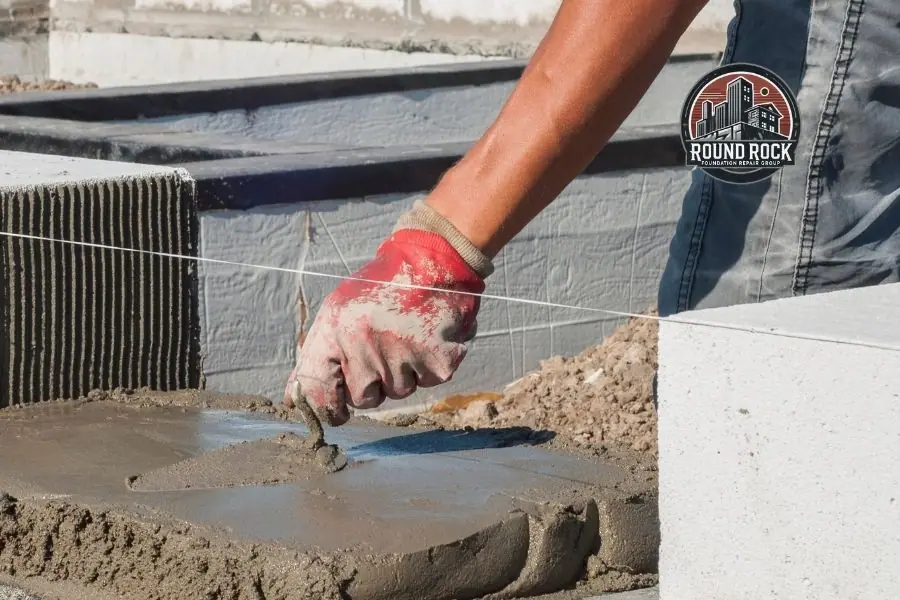
Understanding Slab Leaks in Taylor, TX
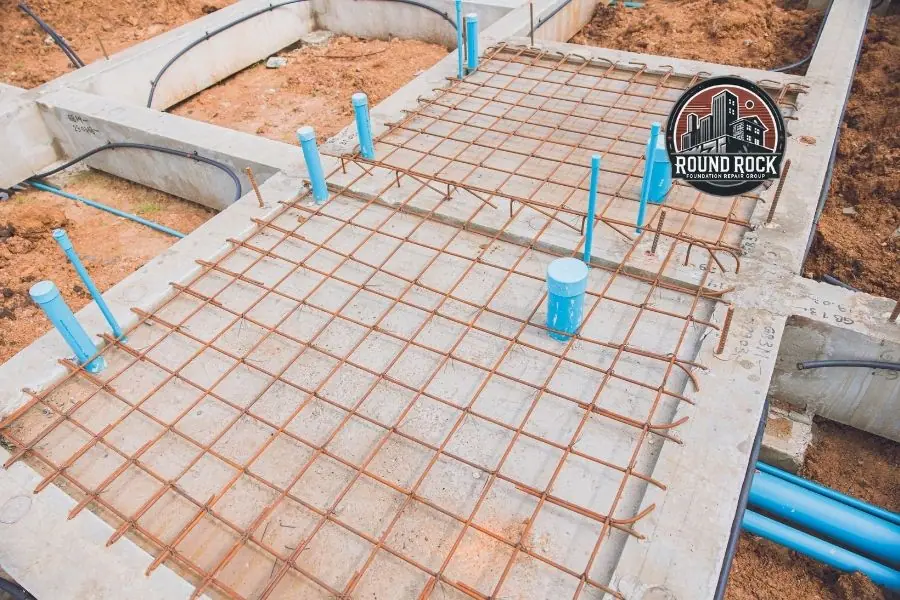
To fully understand slab leaks, it helps to know how post-tension and conventionally reinforced concrete slabs are built. In Central Texas, most residential and light commercial construction from the 1970s onward uses a post-tensioned slab-on-grade system. Copper or CPVC supply lines and cast-iron or PVC drain lines are embedded in gravel beneath — or routed directly through — the concrete pour before it cures. Once the slab sets, those lines are essentially locked in place.
Over time, several forces conspire to damage those lines. Electrochemical corrosion eats through copper pipes from the inside out, especially when water pH levels are slightly acidic — a known characteristic of many Taylor municipal water zones. Abrasion occurs when pipes vibrate against rough concrete edges under normal water pressure. Tree root intrusion, particularly from the large live oaks and pecans common throughout Taylor’s older residential streets, can crack and compress drain lines over decades.
Read moreShow less
Historically, Taylor’s growth as a railroad hub in the late 1800s and its cotton-era expansion in the early 1900s left the city with a layered housing stock. Downtown Taylor contains homes and commercial buildings constructed between 1900 and 1950, many of which feature original cast-iron plumbing and unreinforced concrete pads. The post-WWII suburban expansion brought homes from the 1950s through 1970s to neighborhoods like Murphy Addition and areas north of FM 979. More recent development tied to Taylor’s explosive growth — driven largely by the Samsung Advanced Semiconductor Fab announcement in 2021 and subsequent population influx — has added hundreds of new slab-on-grade structures throughout the city’s ETJ.
Each building era carries its own slab leak risk profile. Older cast-iron drain systems corrode from the outside in, while newer copper supply lines may develop pinhole leaks within 15–25 years in Taylor’s aggressive soil chemistry. Understanding which era and construction type your property belongs to is the essential first step in any accurate slab leak diagnosis.
According to insurance industry data, slab leaks account for approximately 20–30% of all foundation repair claims in Central Texas counties, with Williamson County — where Taylor is located — ranking among the highest per-capita rates in the state due to its soil composition and climate variability.
Signs You Need Slab Leak Service in Taylor, TX
Visual Warning Signs
- Unexplained cracks in interior drywall, particularly diagonal cracks running from door and window corners
- Visible floor cracks in tile, hardwood, or concrete that appear suddenly or grow over time
- Wet spots or damp patches on flooring with no obvious surface water source
- Mold or mildew growth at baseboards, under cabinets, or in closets adjacent to slab perimeter
- Exterior foundation cracks wider than 1/8 inch, especially those showing differential movement (one side higher than the other)
Utility and Performance Indicators
- Water bills that increase 20% or more month-over-month with no change in usage habits
- Sound of running or hissing water when all fixtures are turned off
- Hot spots on the floor surface, indicating a hot water line leak beneath the slab
- Sudden loss of water pressure throughout the home
Structural Urgency Indicators
- Doors and windows that stick, jam, or no longer close squarely — a sign of foundation shift caused by soil saturation
- Gaps developing between walls and ceiling or between flooring and baseboards
- Visible soil erosion or soft spots in the yard directly adjacent to the foundation perimeter
If you observe two or more of these signs simultaneously, treat the situation as urgent. Extended slab leaks can undermine foundation integrity within weeks in Taylor’s clay-heavy soil conditions. Schedule a Foundation Inspection Today
Free, no-obligation estimates
Talk to Round Rock Foundation Repair Group
Tell us what you need and we’ll take it from there.
Our process
Our Slab Leak Detection and Repair Process in Taylor, TX
- 01
Initial Consultation and Site Review (Day 1 — 1 to 2 Hours)
We begin with a detailed phone consultation followed by an on-site visit to your Taylor property. Our technician reviews your utility bills, documents visible symptoms, and photographs all observable damage. We ask targeted questions about your home’s construc
- 02
Non-Invasive Leak Detection (Day 1 — 2 to 4 Hours)
Using electronic amplification equipment and thermal imaging cameras, we scan the slab surface for thermal anomalies and acoustic signatures of pressurized water escaping from pipe walls. This non-destructive approach pinpoints the leak location within a 6–12
- 03
Pressure Testing and Pipe Isolation (Day 1 to Day 2)
We isolate individual water lines using shutoff valves and perform pressure decay tests to confirm which specific line is compromised and to quantify leak rate in gallons per hour. This data shapes the repair method recommendation.
- 04
Repair Method Selection and Permitting (Day 2 to Day 3)
Based on leak location, pipe material, home age, and access conditions, we recommend the optimal repair approach and, where required by Williamson County or City of Taylor development codes, pull the appropriate plumbing permits before work begins.
- 05
Repair Execution (Day 3 to Day 5)
Our licensed plumbing and foundation crews execute the chosen repair method — whether direct access excavation, pipe rerouting, or epoxy lining — following all applicable codes. Taylor’s clay soils require careful shoring of any excavation trenches adjacent to
- 06
Soil Stabilization and Slab Patching (Day 5 to Day 7)
After plumbing repairs are verified, we address any soil disturbance beneath or adjacent to the slab. Where moisture has created voids, we introduce controlled compaction or, in more severe cases, polyurethane foam injection to re-support the slab. Concrete pa
- 07
Final Inspection and Documentation (Day 7 to Day 8)
We conduct a final pressure test, thermal scan confirmation, and visual inspection of all repaired areas. We provide you with a written report suitable for homeowner’s insurance claims or future real estate disclosures.
Slab Leak Repair Methods Used in Taylor, TX
Direct Access (Spot Repair)
The most straightforward method for isolated, single-point leaks in accessible locations. We core-drill or saw-cut the concrete directly above the compromised pipe section, repair or replace the damaged segment, and patch the concrete. Best suited for newer homes in Taylor’s northern growth corridors where leaks are isolated and pipes are still in otherwise serviceable condition. Typical concrete cutting is limited to a 12-inch by 24-inch access window.
Pipe Rerouting (Tunneling or Overhead Re-route)
When a pipe section is extensively corroded or when direct access would require demolishing finished interior spaces — common in Taylor’s downtown historic homes with original tile or hardwood floors — we reroute the water supply through tunnels excavated beneath the exterior foundation perimeter or through interior walls above the slab. Taylor’s clay soils require pneumatic tunneling with immediate spoil removal to prevent collapse during excavation.
Epoxy Pipe Lining (Trenchless Repair)
For drain lines showing widespread micro-cracking rather than a single catastrophic break, we use epoxy lining technology to coat the interior pipe wall with a structural resin that cures in place, sealing all active leaks and preventing future corrosion. This method is particularly effective for the aging cast-iron drain systems found in Murphy Addition and other pre-1970 Taylor neighborhoods.
Full Repipe
When a comprehensive plumbing assessment reveals systemic pipe deterioration — common in Taylor homes where original galvanized steel supply lines are still in place — a full repipe rerouted through walls and attic spaces above the slab eliminates the root cause rather than treating individual symptoms. Learn About Concrete Foundation Repair
Slab Leak Repair Cost in Taylor, TX
Understanding slab leak repair costs in Taylor requires accounting for several local variables. Prices below reflect typical ranges for Williamson County and the Taylor market specifically.
Typical Cost Ranges
- Electronic leak detection only: $250–$550 depending on property size and number of lines tested
- Spot repair (direct access): $1,500–$3,500 including concrete cutting, pipe repair, and patch
- Pipe rerouting (single line): $3,500–$7,500 depending on reroute distance and access difficulty
- Epoxy pipe lining (drain system): $4,000–$9,000 for a typical single-family home drain network
- Full repipe above slab: $8,000–$18,000 for a 1,500–2,500 sq ft Taylor home
- Combined slab repair and soil stabilization: $5,000–$15,000 depending on void extent and access
Read moreShow less
Factors Affecting Your Taylor-Specific Cost
- Home age and pipe material: Galvanized steel and cast-iron systems in older Taylor neighborhoods cost more to address than copper or CPVC in newer construction
- Finished flooring: Homes with original tile or hardwood in historic areas require careful demolition and restoration work that adds $500–$2,500 per affected room
- Soil conditions at time of repair: Active drought conditions in Taylor can require additional soil pre-wetting and stabilization before excavation, adding $300–$800
- Permitting fees: City of Taylor plumbing permits typically run $150–$400 depending on scope
Homeowner’s insurance policies often cover sudden and accidental slab leaks but not long-term gradual leaks. We provide detailed documentation to support your insurance claim. Call (512) 220-3502 for a precise written estimate. Get a Free Foundation Assessment
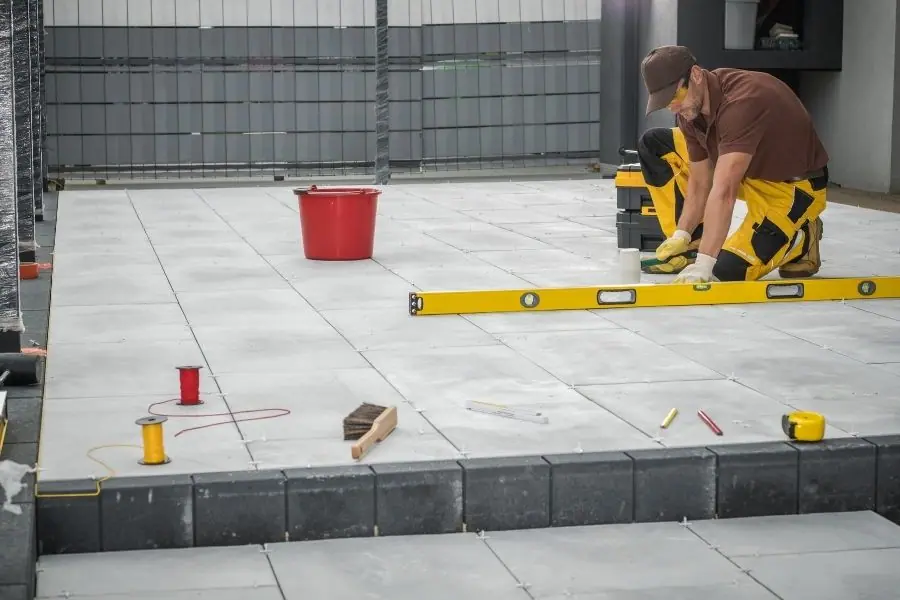
Taylor, TX Neighborhoods We Serve
Downtown Taylor / Murphy Addition
Homes in this area were predominantly built between 1900 and 1965, featuring original cast-iron drain lines and, in many cases, galvanized supply lines. Slab leaks here often manifest as widespread drain line deterioration rather than single-point supply line failures. Our epoxy lining and selective rerouting services are particularly well-matched to this neighborhood’s needs.
Mallard Park Area
Developed primarily in the 1990s and early 2000s, Mallard Park homes feature copper supply lines now entering their peak corrosion risk window at 20–30 years of age. Electronic leak detection combined with spot repair or partial rerouting is the most cost-effective approach for properties in this area.
CR 365 / Northeast Taylor Growth Corridor
New construction tied to Taylor’s Samsung-era population growth since 2021 uses modern PEX supply lines that are more flexible and corrosion-resistant, but drain line connections and post-tension slab pocket moisture intrusion remain active concerns. Foundation monitoring after initial slab leak repair is strongly recommended for this zone given ongoing nearby construction vibration.
We also serve all other Taylor neighborhoods and the broader Williamson County area. View All Service Areas
Slab Leak Prevention Tips for Taylor, TX Homeowners
- Monitor your water meter monthly: Turn off all water inside and outside your home, then observe the meter for 15 minutes. Any movement indicates an active leak — including potential slab leaks.
- Maintain consistent soil moisture around your foundation: During Taylor’s dry summers, run a soaker hose 18 inches from your foundation perimeter 2–3 times per week to prevent the extreme clay shrinkage that stresses buried pipes.
- Install a pressure regulating valve (PRV): If your home’s water pressure exceeds 65 PSI — common in some Taylor supply zones — a PRV reduces pipe fatigue and extends the life of in-slab lines.
- Schedule a plumbing camera inspection every 5–7 years: Especially critical for Taylor homes built before 1980 with original drain lines still in service.
- Address exterior foundation cracks promptly: Cracks wider than 1/8 inch allow surface moisture to reach in-slab pipe penetrations during heavy rain events like those Taylor experienced in 2017 and 2021.
- Trim large trees near your foundation: Live oaks and pecans along Taylor’s older streets should have roots managed if within 10 feet of the foundation perimeter to prevent drain line intrusion.
- Know your pipe material: Ask your home inspector or a plumber to identify whether your home has copper, galvanized, PEX, or cast-iron systems so you can calibrate your inspection frequency accordingly.
Why Choose Round Rock Foundation Repair Group for Slab Leaks in Taylor, TX
Round Rock Foundation Repair Group brings specialized Central Texas foundation and slab leak expertise to every project we undertake in Taylor. We understand that Taylor is not simply a generic Texas city — it is a community with a layered construction history, uniquely aggressive Blackland Prairie soils, and a rapidly changing growth landscape driven by the largest semiconductor investment in American history.
Our team uses advanced non-invasive detection equipment to locate leaks precisely before any concrete is disturbed, saving Taylor homeowners unnecessary demolition costs. We coordinate directly with the City of Taylor’s development and permitting departments to ensure all repairs meet current code requirements — protecting your property value and your ability to sell or insure your home without complications.
Read moreShow less
We serve the entire Taylor area and all surrounding communities, including Round Rock, Georgetown, Cedar Park, Pflugerville, Austin, and dozens of specific neighborhoods throughout Williamson and Travis Counties. When you work with us, you are choosing a team that treats your Taylor home with the same care and precision we would apply to our own.
Call us at (512) 220-3502 to speak directly with a slab leak specialist. Contact Our Taylor Team Today
FAQ
Frequently Asked Questions About Slab Leaks in Taylor, TX
How much does slab leak repair cost in Taylor, TX?
Slab leak repair in Taylor typically ranges from $1,500 for a simple spot repair on a newer home to $18,000 or more for a full repipe on an older downtown property with cast-iron drain lines and finished hardwood floors. The single biggest cost variable is how extensively the leak has saturated the underlying soil and whether secondary foundation stabilization work is required. We provide detailed written estimates after our non-invasive assessment.
How long does slab leak repair take in Taylor?
Most residential slab leak repairs in Taylor are completed within 3–8 business days from initial detection through final inspection. Simple spot repairs can be done in 1–2 days. Full repipes or cases requiring extensive soil stabilization may require 7–10 days. We work to minimize disruption to your daily life throughout the process.
Will Taylor’s clay soil make my slab leak repair more complicated?
Yes, to a degree. Houston Black clay — the dominant soil type throughout Taylor — requires careful moisture management during any excavation near a foundation. If the soil is actively dry and shrinking during your repair (common during Taylor’s summer drought periods), we pre-treat the excavation zone before opening the ground to prevent secondary settlement. This is a standard part of our Taylor-area workflow at no additional surprise charge.
Can I detect a slab leak myself before calling a professional?
You can identify strong indicators: a continuously spinning water meter dial with all fixtures off, unexplained increases in your Taylor Water Services monthly bill, warm spots on tile flooring, or the sound of water movement in a silent home. However, pinpointing the exact location and pipe type requires professional electronic detection equipment. Attempting to locate and excavate a slab leak without professional confirmation risks damaging post-tension cables — a particularly dangerous and costly mistake in Taylor’s post-1980 construction stock.
Does homeowner’s insurance cover slab leaks in Taylor, TX?
Most standard homeowner’s insurance policies cover sudden and accidental water damage from slab leaks but exclude gradual leaks that developed over months or years. Policies typically cover interior water damage but may not cover the plumbing repair itself. We provide comprehensive written documentation — including thermal imaging reports and pressure test data — that supports successful insurance claims and establishes the sudden onset of your leak.
How do I know if my Taylor home is at higher risk for slab leaks?
Elevated risk factors for Taylor properties include: home construction prior to 1985 (cast-iron or galvanized pipes), location within 0.5 miles of the Samsung fab construction site, properties along older downtown blocks with known high chloramine water chemistry exposure, and homes that experienced visible foundation movement during the 2011 drought or 2017 flooding events. If two or more of these apply to your property, a proactive plumbing camera inspection is strongly recommended.
What happens to my foundation if I delay slab leak repair?
In Taylor’s clay soils, a leaking water supply line can saturate a 4–6 foot radius of subsoil within 30–90 days, depending on leak rate and seasonal moisture conditions. Saturated clay loses significant load-bearing capacity, causing the slab above to settle unevenly — a process called differential settlement. Once differential settlement exceeds 1 inch across the foundation footprint, interior finish damage accelerates rapidly and structural beam repairs become necessary in addition to plumbing work. Early intervention almost always costs significantly less than delayed repair.
Do you service commercial properties in Taylor, TX for slab leaks?
Yes. Round Rock Foundation Repair Group provides commercial slab leak detection and repair for retail, office, and light industrial properties throughout Taylor, including the downtown commercial corridor and the new commercial development zones near the Taylor Industrial Park. Commercial work is coordinated around your operating hours to minimize business disruption. Learn About Commercial Foundation Repair
Contact Round Rock Foundation Repair Group for Slab Leaks in Taylor, TX
A slab leak left unaddressed in Taylor’s expansive clay soils is not a problem that gets better on its own — it gets more expensive. Whether you have noticed a suspicious spike in your Taylor Water Services bill, discovered warm spots on your floor, or seen new cracks appearing in your walls, the time to act is now.
Round Rock Foundation Repair Group is ready to dispatch an experienced slab leak specialist to your Taylor property. We serve all Taylor neighborhoods, from the historic downtown district to the newest developments near CR 365, as well as Round Rock, Georgetown, Cedar Park, Pflugerville, Austin, and all surrounding communities.
Call us now at (512) 220-3502 to schedule your on-site slab leak assessment. Request a Free Estimate Online — our team responds within one business day for non-emergency inquiries and offers same-week scheduling for active leak situations.
Get in touch
Find foundation repair help near you
Request a free estimate online or give us a call — our team will follow up quickly.
- Call us(512) 220-3502
- Visit1 Chisholm Trail Rd suite 450 room j, Round Rock, TX 78681
- HoursMon-Sat: 7:00 am – 7:00 pm