
Foundation crack repair is the process of identifying, diagnosing, and permanently sealing or reinforcing cracks that develop in a home’s or building’s foundational structure. In Taylor, TX — a rapidly growing city in Williamson County — the expansive blackland prairie clay soils, dramatic seasonal moisture swings, and an aging housing stock dating back to the early 1900s create ideal conditions for foundation movement and cracking. Left unaddressed, even hairline cracks can widen into structural threats that compromise your entire property.
Round Rock Foundation Repair Group brings professional-grade expertise directly to Taylor homeowners and commercial property owners. Our crews are intimately familiar with the geological and climatic conditions that drive foundation damage across Williamson County. Whether you’ve spotted a new crack above your doorframe or noticed a long-standing fissure that has started to widen, our team provides honest inspections, lasting repairs, and clear communication at every step. Call us today at (512) 220-3502 for a thorough, no-obligation assessment.
Understanding Foundation Crack Repair
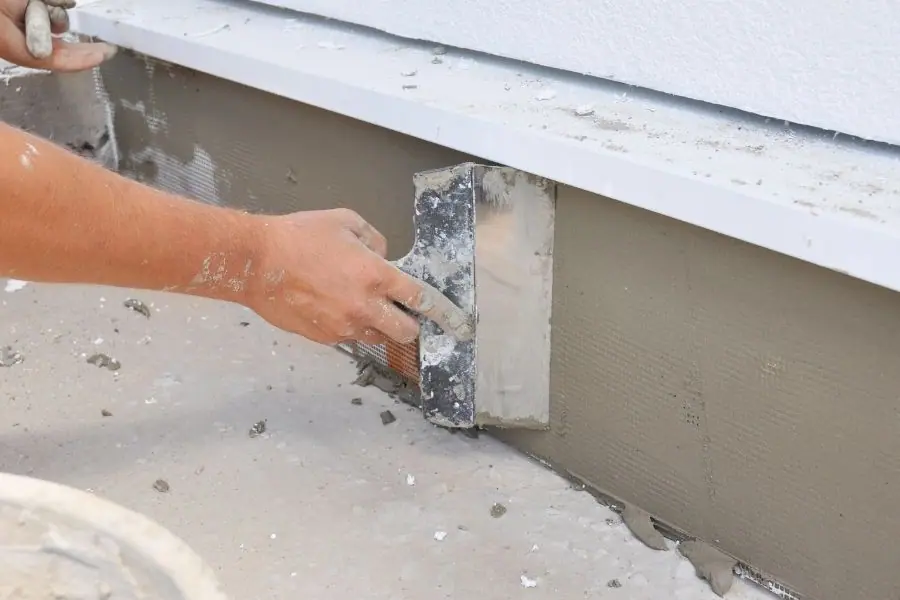
Foundation crack repair encompasses a range of engineering techniques designed to stop active cracking, restore structural integrity, and prevent future movement. At its most basic level, a foundation crack forms when differential settlement — uneven sinking or shifting of the soil beneath a slab or pier-and-beam system — creates tensile or shear forces that exceed the concrete or masonry’s load-bearing capacity. The result is a visible fracture that, depending on its orientation, width, and depth, can signal anything from cosmetic surface shrinkage to a serious structural failure requiring immediate intervention.
Historically, Taylor’s residential construction followed two dominant foundation styles. Homes built before the 1960s along Porter Street, Murphy Street, and the blocks surrounding downtown Taylor typically sit on pier-and-beam systems — wooden joists supported by masonry piers — that are highly susceptible to rot, pest damage, and pier settlement. Post-1970s construction, including neighborhoods developed during Taylor’s growth spurts in the 1990s and early 2000s, predominantly uses post-tensioned concrete slabs, which can experience edge lift and interior depression as the underlying clay soil cycles through wet and dry phases.
Read moreShow less
Foundation cracking is not rare in Central Texas. Industry surveys consistently show that more than 25% of homes in Williamson County will experience some form of foundation movement during their lifespan. Taylor’s position on the eastern edge of the Blackland Prairie — where the Austin Chalk formation transitions to deeper, more plastic clay deposits — makes it one of the more crack-prone municipalities in the county. Commercial structures along U.S. Highway 79, industrial buildings near the Taylor Municipal Airport, and older brick storefronts on Main Street all exhibit unique cracking patterns that require tailored repair strategies.
Understanding the type of crack is critical. Vertical cracks often indicate uniform settlement, horizontal cracks suggest lateral soil pressure (more common in basement or retaining wall scenarios), diagonal or stair-step cracks point to differential settlement, and wide horizontal cracks with displacement may indicate the most severe category of structural failure. Proper diagnosis — not guesswork — determines which repair method is appropriate, which is why a professional inspection is always the essential first step.
Why Foundation Crack Repair Is Needed in Taylor, TX
Expansive Blackland Prairie Clay
Taylor, TX sits squarely atop the Houston Black clay series, a subset of the Blackland Prairie soils that blanket much of Williamson and Milam counties. These soils have a Plasticity Index (PI) ranging from 35 to 60, meaning they expand dramatically when wet and shrink just as dramatically when dry. Vertical movement of 3 to 6 inches within a single seasonal cycle is not unusual in Taylor’s soil profile. That kind of movement — repeated year after year beneath a rigid concrete slab — is the single largest driver of foundation cracking in the area.
Extreme Drought and Flood Cycles
Taylor experiences some of the most volatile precipitation patterns in the state. The catastrophic 2011 drought — the worst single-year drought in Texas recorded history — caused widespread foundation damage across Williamson County as soils shrank to record low moisture levels. Many Taylor homeowners first noticed diagonal cracks in drywall, sticking doors, and slab edge separation during that period. Conversely, the May 2015 flood events that saturated Williamson County caused rapid soil expansion that heaved interior slabs upward, cracking floor tiles and door frames in the opposite direction. Annual rainfall in Taylor averages approximately 35 inches, but the distribution is uneven — long dry summers followed by intense fall and spring rain events — creating relentless shrink-swell stress on every foundation in the city.
Local Neighborhood Vulnerabilities
In downtown Taylor and the surrounding historic district, structures built between 1900 and 1950 on shallow pier-and-beam foundations face compounding challenges: aging wooden beams with moisture damage, deteriorated mortar in brick piers, and decades of deferred maintenance. The Mustang Branch Creek corridor running through the southwestern portion of Taylor adds another layer of risk — properties within two blocks of the creek floodplain regularly experience elevated soil moisture levels that accelerate foundation movement and cracking.
Newer subdivisions on Taylor’s northern and eastern edges, including developments built along CR 365 and FM 1331, often sit on marginally compacted fill soils placed during rapid residential development in the 2000s. Poorly compacted fill settles unevenly over time, producing the diagonal slab cracks most commonly reported by homeowners in these areas. Tree root intrusion from large live oaks and cedar elms — common throughout Taylor’s established neighborhoods — can also extract significant moisture from the soil, causing localized shrinkage and cracking directly beneath affected foundation sections.
Infrastructure and Utility Line Age
Taylor’s older water and sewer infrastructure, much of it installed before 1970, is prone to slow leaks that saturate the soil beneath foundations. A leaking water main beneath a slab can create a localized wet zone that swells the clay upward while surrounding dry areas remain at normal elevation — a condition called differential heave. The City of Taylor has conducted ongoing utility upgrades along several corridors, but homes not yet served by updated lines remain at elevated risk for this type of moisture-driven foundation damage.
Free, no-obligation estimates
Talk to Round Rock Foundation Repair Group
Tell us what you need and we’ll take it from there.
Signs You Need Foundation Crack Repair in Taylor, TX
Exterior Warning Signs
- Visible cracks in brick veneer, particularly stair-step patterns along mortar joints wider than 1/4 inch
- Gaps forming between the foundation slab and exterior brick or siding
- Cracked or displaced concrete around the perimeter of the home
- Chimney leaning away from the main structure
Interior Warning Signs
- Diagonal cracks running from the corners of door and window frames toward the ceiling
- Doors and windows that stick, jam, or no longer close flush — especially during dry summer months
- Cracks in drywall longer than 6 inches or cracks that have reappeared after previous patching
- Uneven or sloping floors (a slope exceeding 1 inch per 8 feet warrants immediate inspection)
- Cracked or buckled floor tiles
- Gaps between the wall and ceiling or between the wall and floor
Crawl Space and Basement Indicators
- Sagging floor joists or beams in pier-and-beam homes
- Standing water or persistent moisture beneath the home
- Deteriorated or displaced masonry piers
Urgency Indicators
Cracks wider than 1/2 inch, cracks with visible vertical or horizontal displacement, and any crack accompanied by a bowing or bulging wall surface require emergency evaluation. Do not delay.
Our process
Our Foundation Crack Repair Process in Taylor, TX
- 01
Comprehensive On-Site Inspection (Day 1 — 1 to 2 Hours)
Our certified inspector visits your Taylor property and conducts a full perimeter walk, interior floor level measurement using a digital manometer, crack mapping, and moisture reading of the soil around the foundation. We document every crack by type, width, l
- 02
Diagnosis and Engineering Review (Days 1–3)
Inspection data is reviewed against local soil reports and, where necessary, consulted with a licensed structural engineer. We classify each crack and identify the underlying cause — whether differential settlement, clay shrink-swell, tree root activity, or pl
- 03
Customized Repair Proposal (Day 3–5)
We present a detailed written scope of work with itemized costs, the specific repair methods selected for your Taylor property, and a realistic project timeline. No high-pressure sales tactics — just clear, honest information.
- 04
Site Preparation and Access (Repair Day 1)
Our crew prepares the work area, protecting interior flooring and landscaping. For pier installation projects, we mark utility lines through Texas 811 before any excavation — a critical step in Taylor’s older neighborhoods where utility line depths can be inco
- 05
Crack Repair and Foundation Stabilization (1–5 Days Depending on Scope)
Depending on the method selected (see Methods section below), our team executes the repair using professional-grade materials and equipment. All work is performed to local Williamson County building code standards.
- 06
Drainage and Moisture Correction (As Needed)
Because Taylor’s clay soils are so reactive to moisture, we address root causes alongside crack repairs. This may include grading corrections, downspout extensions, or crawl space encapsulation recommendations tailored to your specific lot and neighborhood dra
- 07
Final Inspection and Documentation
We conduct a post-repair walk-through with the homeowner, document completed work with photographs, and provide all relevant paperwork for your records and future real estate disclosure requirements.
Foundation Crack Repair Methods We Use in Taylor, TX
Epoxy and Polyurethane Injection
Ideal for non-structural hairline to medium cracks (up to 1/2 inch wide) in concrete slabs and walls. Epoxy injections restore full structural strength across the crack plane, while polyurethane foam injections are preferred for active water-infiltrating cracks. Commonly used in Taylor’s post-1980 slab-on-grade homes where isolated cracking has not yet caused differential elevation. Learn more about our Concrete Foundation Repair services
Steel Pier Installation (Push Piers)
Push piers are hydraulically driven through unstable surface soils down to load-bearing bedrock or competent soil strata — typically the Austin Chalk formation found at depths of 15 to 30 feet beneath Taylor. This method permanently stabilizes settling foundations and, in many cases, allows for partial or full lifting of the slab to its original elevation. Best suited for homes with measurable differential settlement exceeding 1 inch. Explore our Structural Foundation Repair options
Helical Pier Installation
Helical piers are screwed into the ground and are particularly effective in areas with limited access or where vibration from hydraulic driving is a concern — such as Taylor’s historic downtown structures with sensitive brick exteriors. They provide load-bearing support similar to push piers with less disturbance to existing structures.
Slabjacking / Mudjacking
For sunken concrete sections — driveways, sidewalks, garage aprons, or interior slab sections that have settled but remain structurally intact — mudjacking pumps a cement-soil slurry beneath the slab to lift it back to grade. Cost-effective for Taylor homeowners dealing with minor, localized settlement without widespread foundation cracking.
Pier-and-Beam Repairs
For Taylor’s older homes with pier-and-beam systems, our repairs include pier shimming, new concrete pier installation, sister joist installation, and beam sistering to restore level floors and structural integrity. See our Crawl Space Repair services
Foundation Crack Repair Cost in Taylor, TX
Foundation crack repair costs in Taylor, TX vary considerably based on the severity of cracking, the repair method required, and the size of the structure. Below are realistic cost ranges based on current Central Texas market pricing:
- Epoxy or Polyurethane Crack Injection: $300 – $800 per crack, depending on length and accessibility
- Mudjacking / Slabjacking: $500 – $2,500 for residential applications
- Pier-and-Beam Repairs (Shimming, New Piers): $1,500 – $8,000 depending on the number of piers and extent of wood damage
- Steel or Helical Pier Installation: $1,200 – $2,000 per pier installed; most Taylor homes require between 8 and 16 piers for a full perimeter stabilization project, putting total costs in the $10,000 – $25,000 range for moderate-to-severe settlement
- Full Foundation Restoration (Severe Cases): $20,000 – $50,000+ for commercial structures or extensively damaged residential foundations
Read moreShow less
Cost Factors Specific to Taylor, TX
- Soil depth to competent bearing layer: Taylor’s Austin Chalk bedrock depth varies across the city; deeper pier requirements increase per-pier cost
- Access limitations: Tight lots in Taylor’s historic downtown neighborhoods can require specialized equipment, adding 10–20% to labor costs
- Drainage corrections: Addressing moisture issues simultaneously adds $500 – $3,000 but significantly extends the life of the repair
- Permit fees: Williamson County permit fees for foundation work typically range from $150 – $400
For a precise estimate, contact Round Rock Foundation Repair Group at (512) 220-3502. We provide free, no-obligation inspections so you know exactly what you’re dealing with before spending a dollar. Schedule a Foundation Inspection today
Taylor, TX Neighborhoods We Serve
Historic Downtown Taylor
Homes and commercial buildings along Main Street, Talbot Street, and the blocks surrounding the Taylor Town Square were largely constructed between 1890 and 1950. These structures commonly sit on shallow pier-and-beam foundations or unreinforced concrete footings. Brick veneer cracking and interior floor slope are the most common complaints. Home Foundation Repair services for historic properties
Murphy Street and Ninth Street Corridors
Mid-century bungalows built in the 1940s–1960s dominate this area. Pier deterioration and beam rot are common, and many properties have never had foundational upgrades. These homes frequently show significant floor slope and sticking doors — classic signs of cumulative pier settlement.
Northern Taylor Subdivisions (FM 1331 / CR 365 Area)
Homes built during the rapid growth period of the 2000s and 2010s on fill soils are showing early to mid-stage differential settlement. Diagonal slab cracks and interior drywall cracking are the dominant presentations. Post-tensioned slab repair and pier installation are the primary interventions in this area.
Mustang Creek Area Properties
Properties adjacent to Mustang Branch Creek experience elevated soil moisture year-round. Combined with Taylor’s expansive clay, this creates heightened heave and settlement cycles. Drainage correction is almost always a necessary companion to foundation repair in this zone.
Foundation Crack Prevention and Maintenance Tips for Taylor, TX Homeowners
- Maintain consistent soil moisture year-round. During Taylor’s dry summers (typically June through September), use a soaker hose placed 12–18 inches from the foundation perimeter to prevent extreme clay shrinkage beneath the slab.
- Ensure positive drainage away from the foundation. Taylor’s flat terrain can cause rainwater to pool against the foundation. Maintain a minimum 6-inch drop over 10 feet away from the structure.
- Keep gutters and downspouts functional. Extend downspouts at least 5 feet from the foundation to discharge water away from the clay soil zone.
- Monitor and control large trees. Live oaks and cedar elms within 20 feet of the foundation can extract significant soil moisture. Consider root barriers for large established trees.
- Inspect your foundation twice a year. Walk the perimeter in spring after rains and again in late fall after summer drought to catch new cracks early.
- Check for plumbing leaks promptly. A slow slab leak in Taylor’s clay soil can create severe localized heave within weeks. Annual plumbing pressure tests are a wise investment.
- Avoid overwatering landscaping beds. Dense irrigation directly against the foundation creates the opposite problem — sustained saturation that causes upward clay expansion and interior slab heave.
Why Choose Round Rock Foundation Repair Group for Foundation Crack Repair in Taylor, TX
Round Rock Foundation Repair Group has built its reputation serving homeowners and businesses across Williamson County, including the unique challenges posed by Taylor’s expansive blackland clay soils, aging housing stock, and extreme Central Texas weather cycles. Our team understands that no two Taylor foundations are alike — a historic pier-and-beam bungalow near downtown requires a completely different approach than a post-tensioned slab in a newer subdivision on the city’s northern edge.
We use professional-grade materials — helical and steel push piers engineered to reach the Austin Chalk formation, structural-grade epoxy resins, and high-density polyurethane foams — to deliver repairs built to last in Taylor’s demanding environment. Our inspections are honest and our proposals are transparent, with no inflated repair scopes designed to maximize invoice size.
Read moreShow less
We also serve the surrounding communities throughout the greater Round Rock and Austin metro area, meaning our crews are always nearby and available for prompt response. View all our Foundation Crack Repair services Call (512) 220-3502 to speak with a local expert today.
FAQ
Frequently Asked Questions: Foundation Crack Repair in Taylor, TX
How much does foundation crack repair cost in Taylor, TX?
Costs range from as little as $300 for a single epoxy crack injection to $25,000 or more for a full pier-supported foundation stabilization on a larger home. The specific soil conditions, crack severity, and access limitations at your Taylor property all influence final pricing. We provide free on-site estimates — call (512) 220-3502 to schedule yours.
Are foundation cracks in Taylor, TX a common problem?
Yes. Taylor sits on some of the most expansive blackland clay soils in Williamson County, with a Plasticity Index of 35–60. Combined with the city’s volatile rainfall patterns and long dry summers, foundation movement and cracking affect a significant percentage of Taylor properties over time. It is one of the most common home repair issues in the area.
How long does foundation crack repair take?
Simple crack injection repairs can be completed in a single day. Pier installation projects for a typical Taylor home (8–16 piers) generally take 2 to 4 days. Pier-and-beam restoration projects vary from 1 day to a full week depending on the extent of damage discovered beneath the floor system.
Will my homeowner’s insurance cover foundation crack repair in Taylor?
Most standard homeowner’s insurance policies in Texas exclude damage caused by soil movement, settlement, or expansive clay — which covers the majority of Taylor’s foundation problems. However, if a specific covered event (such as a plumbing leak that caused foundation damage) triggered the cracking, a portion of the repair may be claimable. We recommend consulting your insurance agent and can provide detailed documentation of our findings to support any claim you file.
What is the difference between a structural crack and a cosmetic crack?
Cosmetic cracks are typically hairline (less than 1/16 inch wide), vertical or slightly diagonal, and show no displacement between the two sides of the crack. They result from normal concrete curing shrinkage and pose no structural threat. Structural cracks are wider than 1/4 inch, show horizontal or diagonal orientation with vertical displacement, or are accompanied by bowing walls or separating door frames. When in doubt, have a professional evaluate the crack — the cost of an inspection is far less than the cost of ignoring a structural problem.
Do I need a permit for foundation repair in Taylor, TX?
Foundation repair work in Taylor typically requires a building permit issued through Williamson County or the City of Taylor depending on jurisdiction. Our team handles all permit applications and inspections as part of the project scope, so you don’t have to navigate city hall on your own.
Can foundation cracks cause problems when I try to sell my Taylor home?
Yes. Texas requires sellers to disclose known foundation issues on the Seller’s Disclosure Notice. Unrepaired foundation cracks frequently cause deals to fall through during the inspection period or result in significant price reductions. Professionally repaired foundations — especially those with documented inspections and repair reports — are far easier to sell and often command better prices than homes with visible unaddressed cracking.
How do I know if my Taylor home’s foundation is getting worse?
Key indicators of ongoing movement include cracks that were previously repaired reappearing, existing cracks that have visibly widened since you last measured them, new doors or windows beginning to stick, and new interior drywall cracks appearing. We recommend placing a small piece of tape across any crack you’re monitoring and checking it monthly — any tape that tears or buckles indicates active movement requiring prompt professional evaluation.
Contact Round Rock Foundation Repair Group Today
Don’t let foundation cracks in your Taylor, TX home or business grow into a costly structural emergency. The sooner a crack is professionally evaluated, the more repair options you have — and the less you’re likely to spend. Round Rock Foundation Repair Group provides honest, expert-level foundation crack repair services tailored specifically to Taylor’s blackland clay soils, aging housing stock, and demanding Central Texas climate.
Call us at (512) 220-3502 to speak directly with a foundation repair expert and schedule your free, no-obligation on-site inspection. We serve Taylor and surrounding Williamson County communities and are ready to dispatch a technician to your property promptly. Request a Free Foundation Inspection Online Contact Round Rock Foundation Repair Group
Protect your investment. Protect your family. Call (512) 220-3502 today.
Get in touch
Find foundation repair help near you
Request a free estimate online or give us a call — our team will follow up quickly.
- Call us(512) 220-3502
- Visit1 Chisholm Trail Rd suite 450 room j, Round Rock, TX 78681
- HoursMon-Sat: 7:00 am – 7:00 pm